
Commercial meat mincers built for daily prep
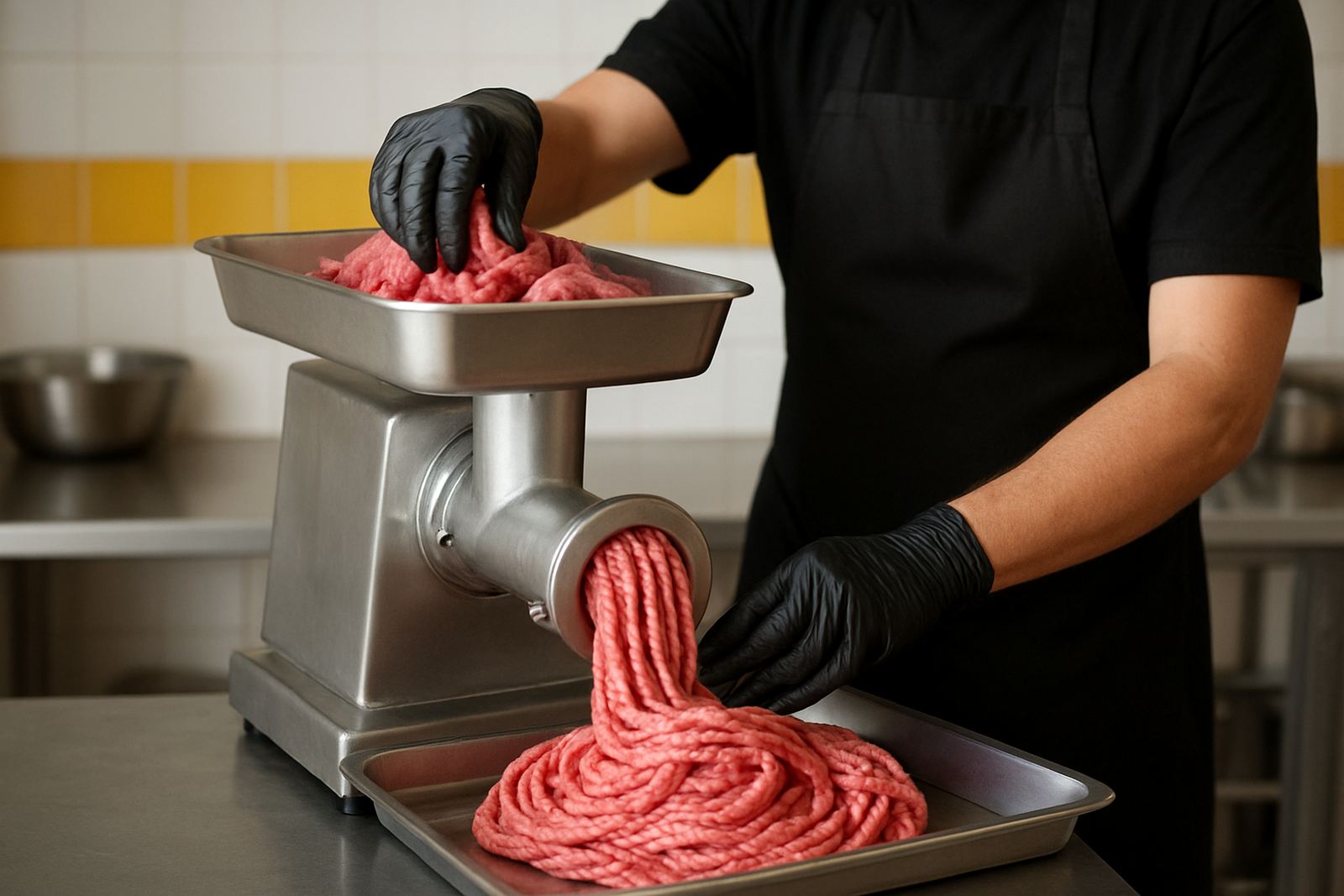
A commercial meat mincer is made for repeated use, not the odd home batch. It handles beef, lamb, pork and mixed mince for food service operations where speed, hygiene and consistency matter. In a butcher shop it helps keep up with peak trading hours. In a hospital, school or company canteen it supports bulk prep without overworking the staff.
Most units are fitted with a feed tray, mincing head, auger, cutting knife and perforated plate. The meat is pushed through the feed throat, broken down by the knife and forced through the plate to give a uniform texture. The plate size you choose affects the finish, so a coarse plate gives a different result from a fine plate. For some kitchens, that small detail matters more than people think.
- Use for fresh or chilled meat only, unless the model is rated for other products
- Suitable for burger mince, sausage prep, pie fillings and bulk central kitchen batches
- Available in tabletop and floor standing styles depending on output
- Can be matched to prep flow in a butchery, cafeteria or production kitchen
Sizes and options to match your output
We spec mincers according to how much meat you process in a shift and how many staff are using the machine. A small counter unit suits a low to medium volume outlet. A larger floor model is better where the kitchen prepares several batches a day, or where a single machine feeds multiple menu items. If you are running a busy site in Durban North or Umhlanga, it is worth planning for growth now rather than replacing equipment later.
Common options include single phase or three phase power, forward and reverse operation, different plate sizes and stainless steel contact parts. Some models come with a separate feeding pusher and removable throat parts for cleaning. For sites with limited prep room, we also look at the footprint, the height of the feed opening and whether the machine can be cleaned without stripping half the counter down.
- Tabletop units: ideal for smaller butcheries, cafés and deli prep rooms
- Medium output units: suited to cafeterias, schools and busy takeaway kitchens
- Heavy duty floor units: for central kitchens, meat prep rooms and production sites
- Plate options: fine, medium and coarse cuts depending on the menu
Where a meat mincer suits best in KZN kitchens
We supply meat mincers for butcheries, hospitals, canteens, restaurants and contract catering kitchens across Durban, Pinetown, Ballito and Pietermaritzburg. They are also useful in central kitchens that batch cook mince based dishes, where consistency saves time during service. If your operation includes raw meat prep, the mincer should sit in a controlled prep area with good drainage, washable walls and enough space for cleaning around the machine.
In coastal areas like Durban and Ballito, humidity and salt air can be hard on equipment left unprotected. Stainless surfaces help, but the machine still needs proper cleaning, drying and storage. In high traffic kitchens load shedding can also affect prep timing, so it helps to choose a unit that fits your production plan and can be run safely when power comes back on. Not every kitchen has that luxury, and planning matters.
- Butcheries needing fresh mince on demand
- Hospitals and care facilities preparing controlled meal portions
- School, factory and company canteens with bulk meal production
- Restaurants and caterers using mince in multiple menu items
Power, installation and workspace checks
Before ordering, check what supply is available on site. Many smaller mincers run on standard 230 V single phase power, while larger units may need three phase supply. The motor size, plug type and breaker rating must match the building supply, otherwise you will have nuisance trips or worse, a machine that never gets used properly. We can verify this during a site survey and advise whether extra electrical work is needed.
Installation is more than dropping the machine on a counter. The surface must be level, easy to clean and able to carry the weight of the unit and meat being processed. You also need enough clearance for the operator, bins, trays and cleaning access. If the mincer is part of a new kitchen build, we coordinate it with prep benches, cold rooms and extract planning where required. That way the machine fits into the workflow, not against it.
- Confirm single phase or three phase power before purchase
- Check the breaker size and plug configuration on site
- Allow room for trays, bins and safe operator movement
- Keep the unit close to chilled storage to reduce warm handling time
Care, cleaning and servicing that keep output steady
A mincer stays reliable when it is cleaned properly after every shift. Meat residue left in the head, plate or auger can damage the finish, create bad odours and shorten component life. Wash all food contact parts in warm water with a suitable detergent, dry them fully, then store them so the cutting edges do not get knocked around. A little care after each use saves a lot of downtime later.
We recommend regular preventive maintenance on machines that run daily. That may include checking the blade sharpness, inspecting bearings, confirming the motor runs correctly and making sure the feed components fit tight. If a unit begins to slow down, make noise or produce uneven mince, get it checked before a small fault turns into a full breakdown. Our service team handles breakdown repairs and planned maintenance across the Durban area and wider KZN.
- Clean and dry all removable parts after each shift
- Keep blades and plates organised by size so staff do not mix them up
- Book servicing if the output drops or the machine starts to strain
- Train staff on safe loading, stripping and reassembly
What to confirm before you place the order
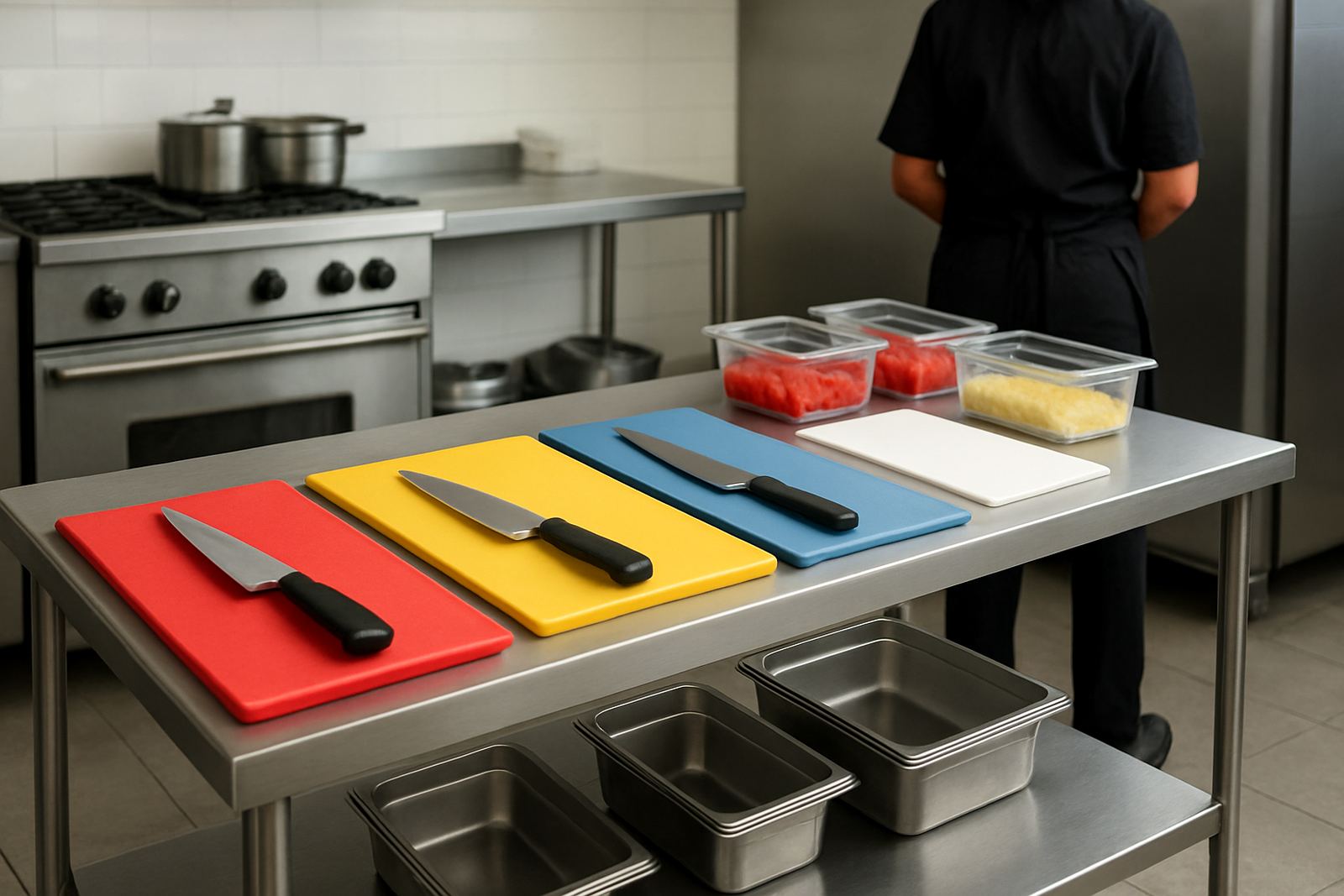
Ordering the right mincer starts with your menu, your daily volume and your kitchen layout. Tell us whether you need fine mince, coarse mince or both, and whether the machine will be used for short bursts or long production runs. If your team processes meat early morning and then switches to vegetables later, we can look at how the prep area is organised so cross contamination risks are kept under control.
It also helps to know what kind of meat is being processed and how chilled it is when it reaches the prep room. Very soft product can give poor results, while meat that is too hard may strain the motor. A good specification considers the feed size, output rate, cleaning routine and available power, not just the price. Our team in Glen Anil can help with kitchen layouts, equipment specification, stainless fabrication, installation and staff training, so the machine arrives with the rest of the job sorted.
- Expected daily output in kilograms
- Single phase or three phase supply on site
- Preferred cut size and plate options
- Available space, counter height and cleaning access
- Whether spare plates, knives and service support are needed
Key facts
| Type | Commercial meat mincer for food service and meat prep |
|---|---|
| Power | 230 V single phase or 400 V three phase, model dependent |
| Output | From small prep volumes to high volume central kitchen use |
| Construction | Stainless steel and food grade contact parts |
| Mounting | Tabletop or floor standing |
| Use case | Butcheries, cafeterias, hospitals, canteens and central kitchens |