
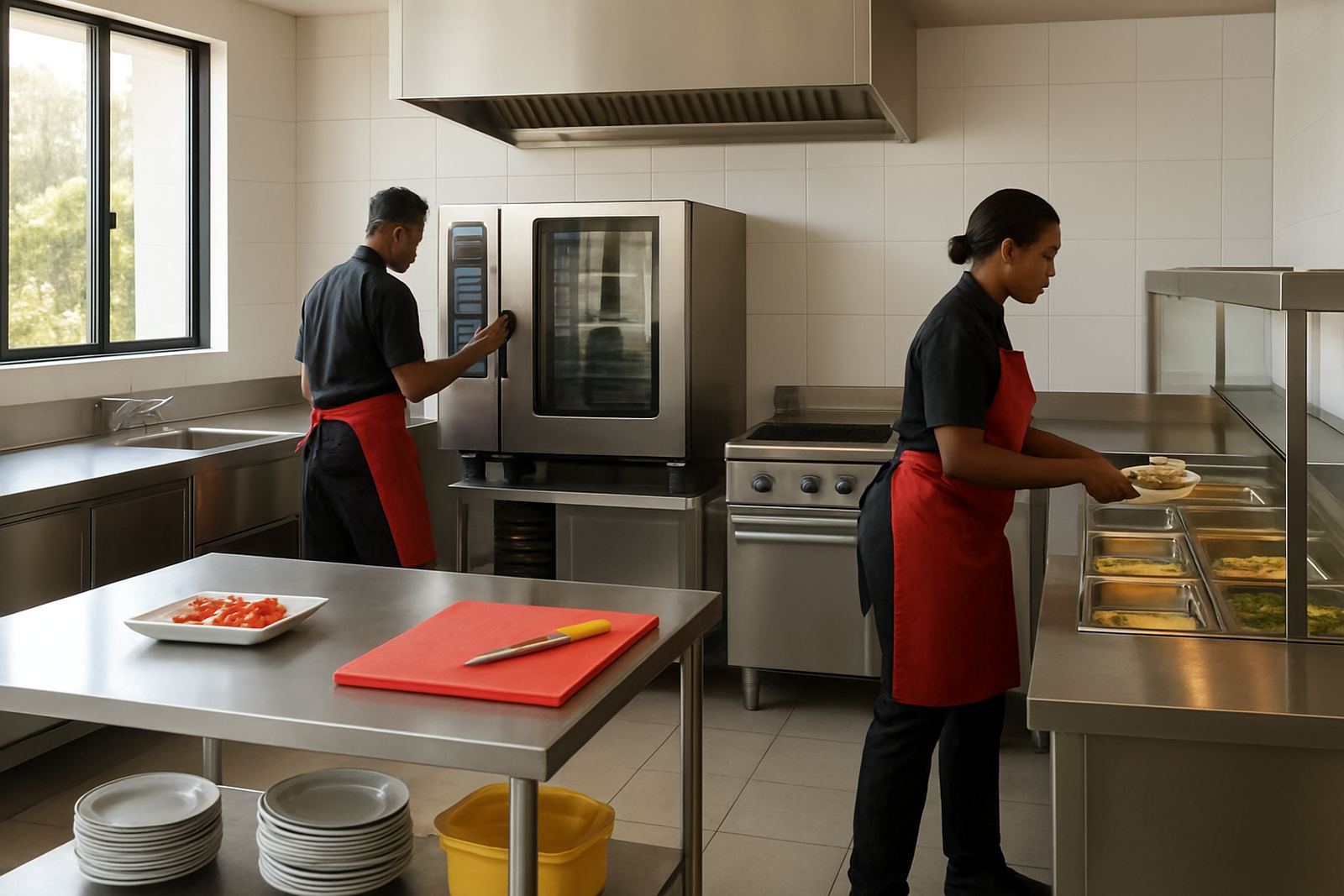
Project brief for a busy Umhlanga hotel
The client needed a practical kitchen upgrade for a hotel in Umhlanga, Durban, where the first meal of the day carries the most pressure. Breakfast service had to move quicker, the hot pass had to cope with heavier plating volumes, and cold storage needed easier access for dairy, fruit, chilled meats and prepped items.
Our brief was not to make the kitchen bigger, but to make it work harder. That meant shortening walking distances, keeping delivery and waste movement separate from food prep, and setting the equipment out so the team could work without bumping into one another during peak service. The site also needed to stay tidy enough for hotel standards, with stainless finishes and equipment that would hold up in Durban humidity.
- Hotel back-of-house upgrade in Umhlanga
- Focus on breakfast flow and plated service speed
- Improved access to chilled storage and prep areas
Site constraints we worked around
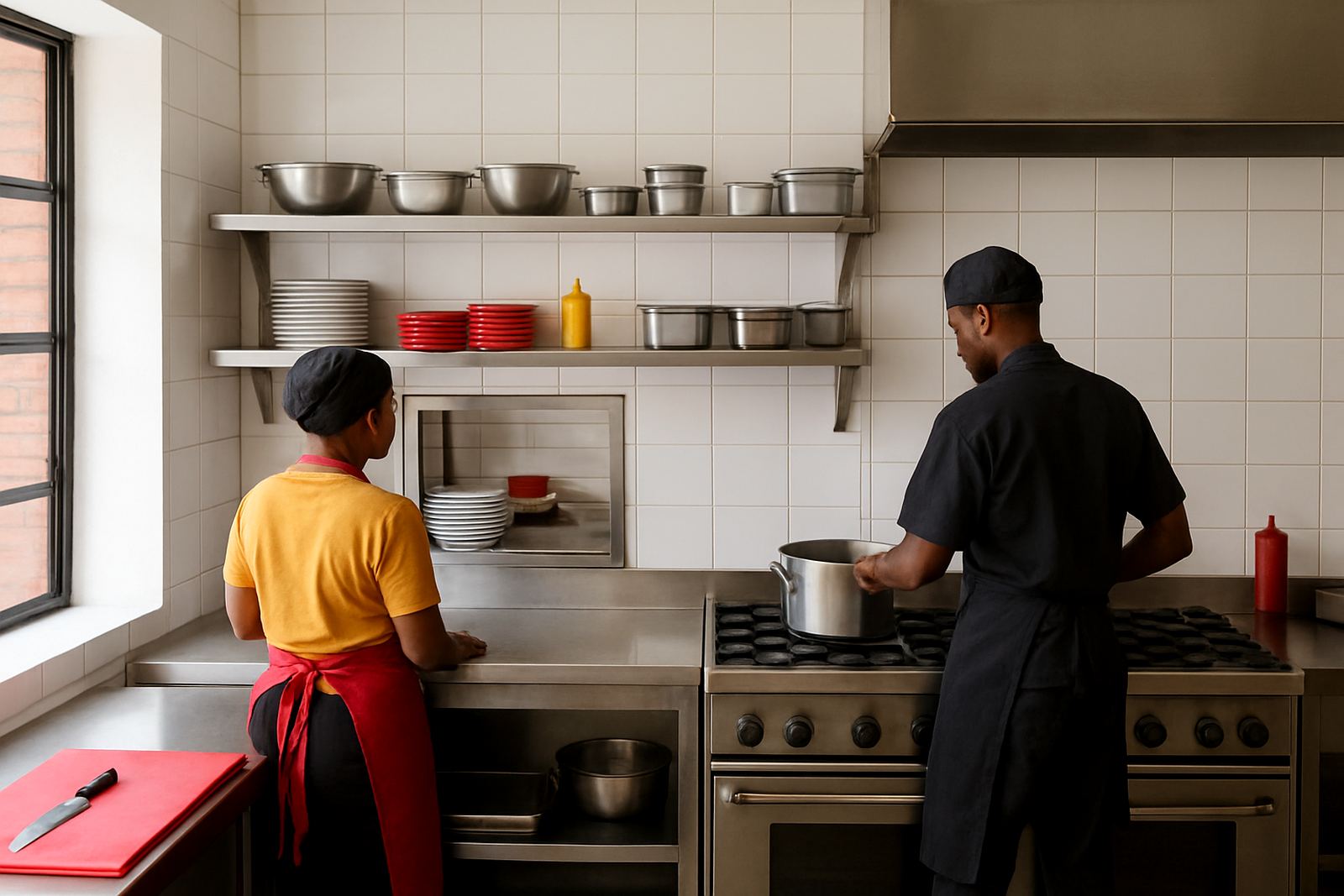
The existing room had a narrow working line and a few awkward corners, which made traffic flow the main issue. There was limited spare floor space, so every item had to earn its place. We also had to plan for coastal corrosion, daily cleaning and the kind of heat build-up that comes from cooking equipment running early in the morning and into the evening.
Power continuity was another factor. Hotels cannot afford long stops when load-shedding or maintenance hits, so the layout had to support quick restart routines and sensible equipment grouping. Drainage points and wall finishes were checked during the site survey, and extractor routing was planned to keep steam and grease away from the service path. The building rules for a hotel environment also meant installation had to be neat, safe and easy to inspect.
- Tight room layout with limited spare floor area
- Coastal conditions and regular washdown cleaning
- Need for practical restart during load-shedding
What KZN Catering Equipment supplied
We supplied and installed a working mix of cooking, prep, storage and ventilation equipment suited to hotel breakfast output. The hot line was organised around compact, reliable units with enough capacity to keep plates moving without wasting fuel or power. We also added cold storage that allowed the team to reach ingredients quickly, rather than opening and closing one central fridge all morning.
Stainless fabrication was used where the room needed custom support and cleanable surfaces. The extractor plan covered the heat and steam from the cooking line, while the prep side was fitted for easy cleaning and safe movement of trays, pans and smallwares. Our procurement team coordinated delivery so the install could be done in order, without the usual delays that happen when one missing item holds up three others.
- Cooking equipment for breakfast and hot pass use
- Cold storage positioned for fast ingredient access
- Custom stainless fittings for prep and support points
- Extractor planning matched to the working line
Layout changes that made service faster
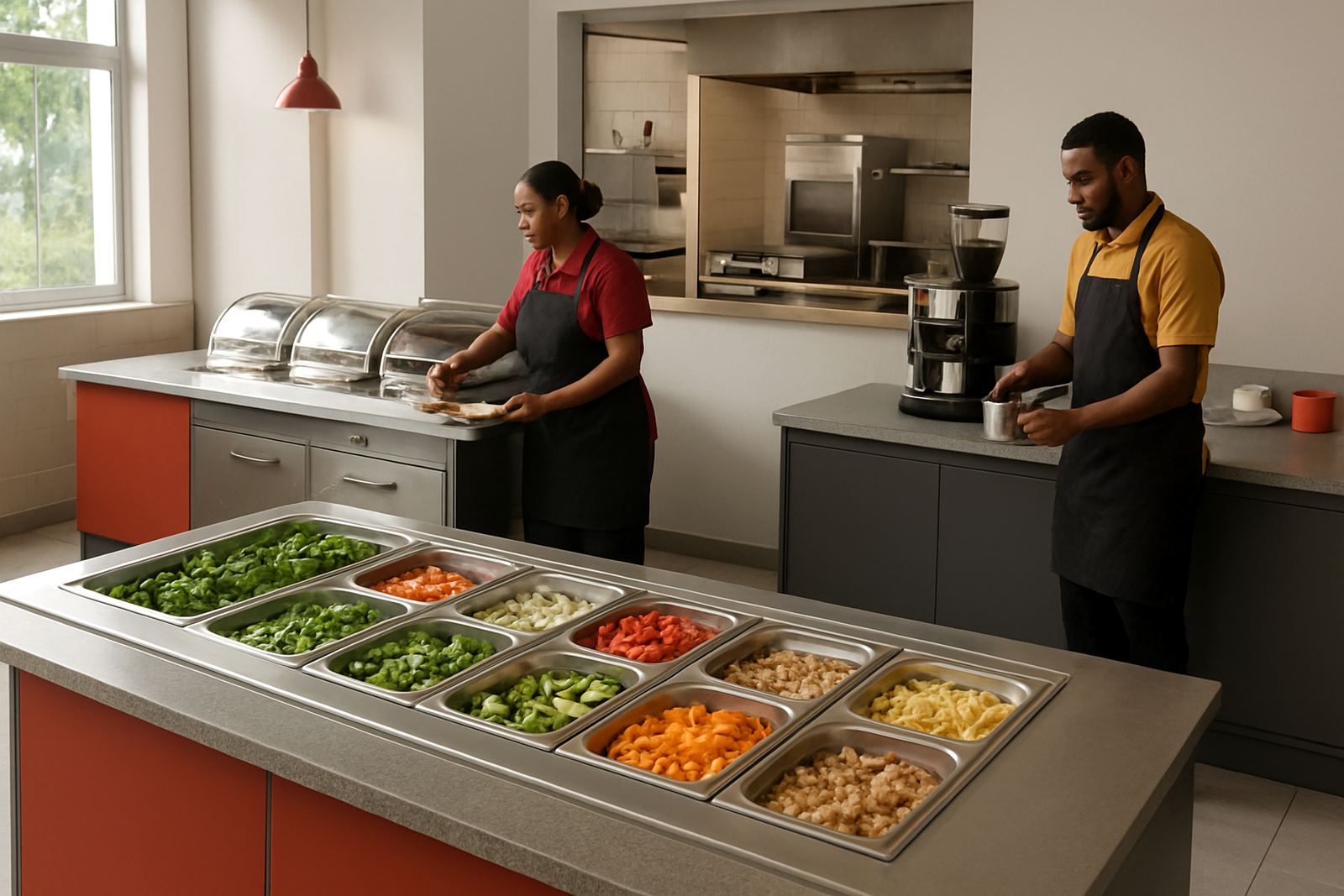
Priya Naidoo led the kitchen design work and reworked the room around three simple movements: receive, prep, and pass. By keeping those movements in a cleaner line, staff no longer crossed over each other as often. The cold side was placed closer to the prep area, and the hot pass was set up so plated items could move out with less waiting at the final point.
That shift made a visible difference in the breakfast rush. Eggs, bacon, cereals and chilled items each had their own place, and the team did not have to pull products from across the room. We also made sure the layout left enough aisle space for two staff to work side by side without constant stopping. It sounds basic, but in a hotel kitchen those small details are what keep service smooth.
- Three-zone layout: receive, prep and pass
- Shorter walking paths between cold and hot areas
- Clearer aisle space for two-person working
Installation, commissioning and staff handover
Siyabonga Mkhize managed the project schedule while Jared Pillay supervised the on-site installation. The full project took four weeks from final sign-off to commissioning, with the actual fit-out staged to reduce disruption to hotel operations. Equipment was levelled, connected and tested in sequence so the team could move into the space with less downtime.
Once installation was complete, Luyanda Zungu handled the service checks and staff training. We showed the kitchen team how to start up each section safely, clean the equipment properly and spot early signs of wear. That included simple checks for extractor performance, seals, temperatures and drainage. When a kitchen is busy from early morning, the handover matters just as much as the hardware.
- Project duration: 4 weeks
- Commissioning covered temperatures, extraction and drainage
- Staff training included cleaning and daily start-up checks
Results during breakfast service
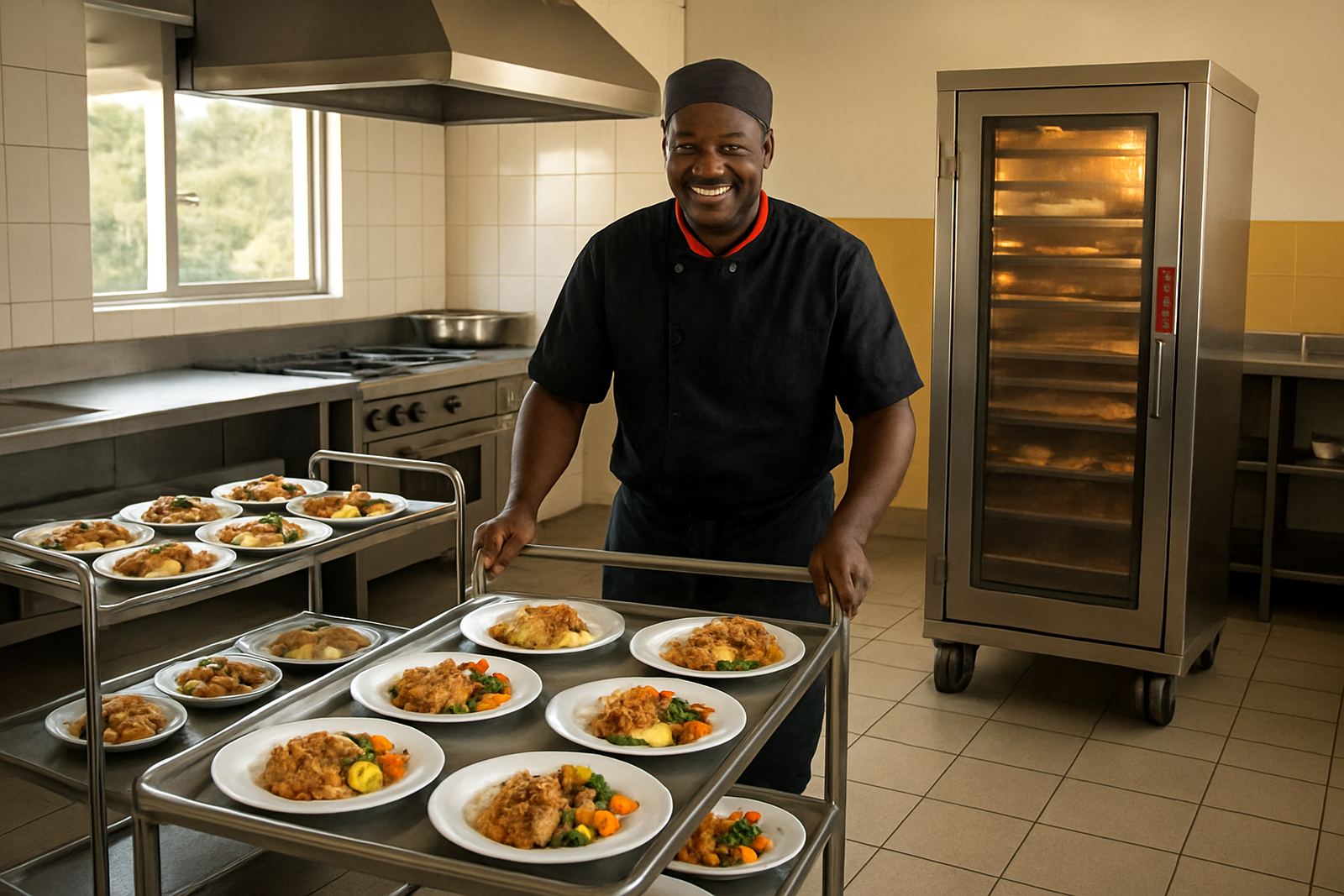
After the upgrade, the hotel had a kitchen that matched the pace of its morning trade. The breakfast line moved quicker because the staff could plate, pass and restock without unnecessary steps. Cold storage access improved, which reduced the time ingredients spent out of the fridge. The hot pass was easier to manage, and that helped keep food moving at the right temperature and in better order.
The client also gained a cleaner back-of-house environment. Stainless surfaces were easier to wipe down, the equipment was easier to reach for service, and the team had fewer bottlenecks during the busiest period. In practical terms, that means less pressure on staff and a better guest experience. It is a small change on paper, but in a hotel kitchen it changes the whole morning.
- Faster breakfast pass and restocking
- Better chilled storage access during service
- Cleaner and easier daily housekeeping
What we would do again on a similar Umhlanga site
We would follow the same process again for a similar hotel project in Umhlanga or Durban North. Start with a proper site survey, measure the real movement of staff, then build the layout around service peaks rather than around the room shape alone. That approach saves time later and usually avoids expensive changes after installation.
For coastal hotels we would again specify stainless where it matters, keep the extractor and maintenance access sensible, and make sure the cold side sits close to prep. We would also plan with load-shedding in mind, because breakfast service does not stop just because the power does. A kitchen that is simple to clean, easy to service and properly arranged tends to pay for itself in fewer delays and less stress.
- Do a full site survey before equipment is ordered
- Plan around peak service, not just floor space
- Keep maintenance access open from day one
Key facts
| Project location | Umhlanga, KwaZulu-Natal |
|---|---|
| Client type | Hotel back-of-house kitchen |
| Project duration | 4 weeks |
| Focus areas | Breakfast flow, hot pass speed, cold storage access |
| Core works | Kitchen layout, equipment supply, stainless fabrication, installation, commissioning |
| Team lead | Priya Naidoo, Kitchen Design Lead |