
Compact wash results for busy drink service
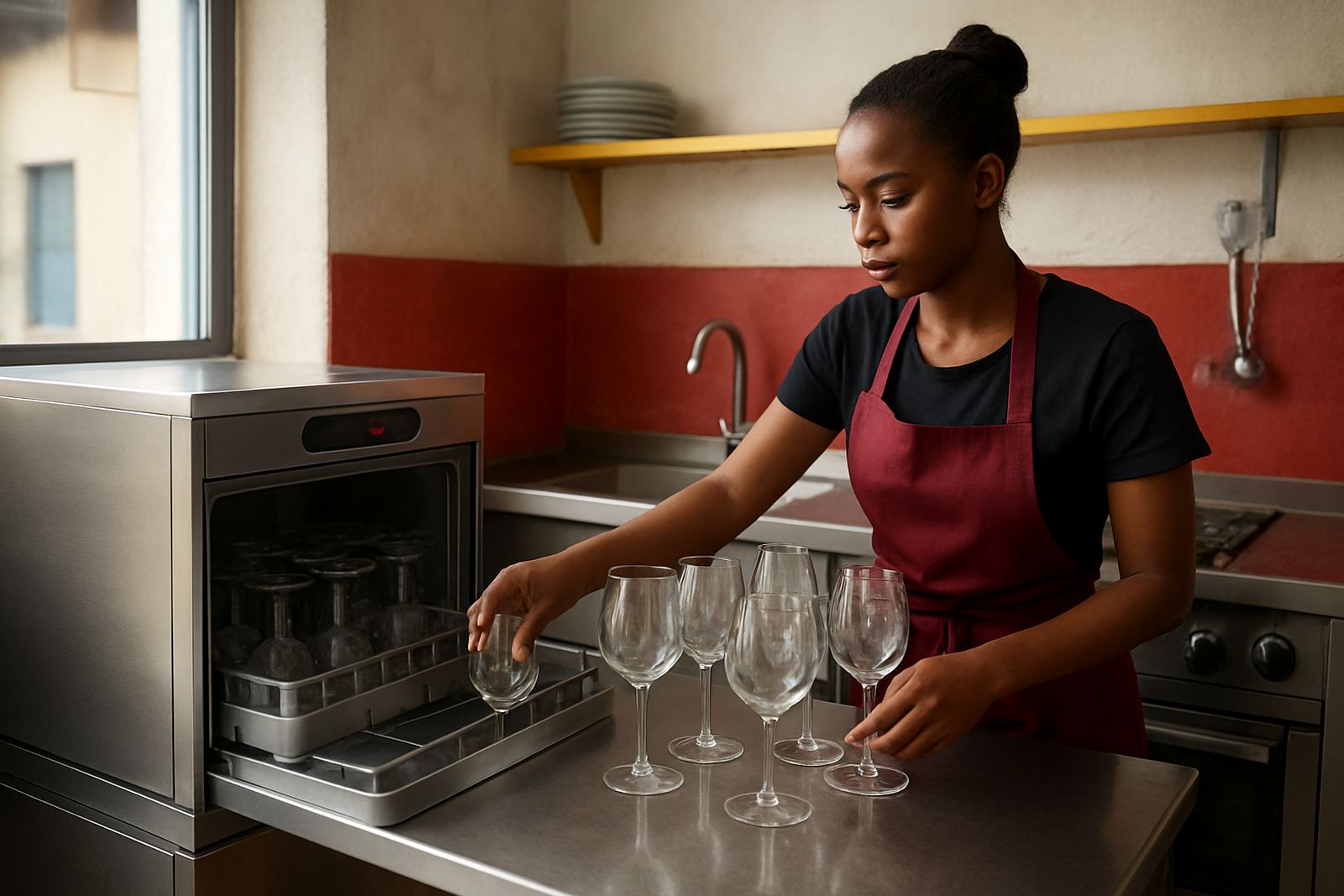
A glasswasher is a compact commercial machine made for tumblers, wine glasses, beer glasses, mugs and small cups. It uses a controlled wash cycle, rinse and drain system to remove lipstick, dried sugar, juice residue and bar grime far quicker than hand washing. For a bar in Umhlanga, a café in Durban North or a hotel beverage station in Pietermaritzburg, the main benefit is speed and repeatability. Every cycle gives the same wash result, which helps with presentation and hygiene.
Most units are built for undercounter use and fit neatly beside a sink or under a service counter. They are usually front opening, with a basket system that keeps glassware steady during washing. Some models are simple single-phase machines for lighter service while others handle heavier daily turnover. If your team is tired of breakages from hand rinsing and stacking, a glasswasher makes day-to-day service easier and cleaner, no fuss.
Because glassware shows every spot and smear, water quality matters. In coastal areas such as Glen Anil, Ballito and Umhlanga, mineral build-up and salt air can affect rinse quality and stainless steel over time. We look at the water supply, drainage and placement before recommending a unit, so the machine suits your actual site and not just the brochure spec.
Sizes and basket options that suit small service counters
Glasswashers come in compact footprints, but the internal basket size and cycle capacity can vary quite a bit. A smaller machine suits a coffee bar or small cocktail counter, while a slightly larger unit is better for restaurants, canteens and busy function venues. Basket sizes commonly used in service work are around 35 cm x 35 cm, 40 cm x 40 cm or similar compact formats. That keeps the machine practical when counter space is limited.
When ordering, it helps to think about the type of glassware you use most often. Tall beer glasses need basket height and stable spacing. Short tumblers can be washed in denser racks. If you serve both glass cups and saucers, or need to wash small coffee items between breakfast and lunch, we can help specify the right basket mix so staff do not waste time sorting items by hand.
- Compact undercounter units for tight bar counters
- Single-basket or quick-turn wash cycles for small to medium volume
- Basket inserts for stem glasses, tumblers and small cups
- Optional detergent and rinse aid dosing on selected models
Where a glasswasher fits best in KZN kitchens
These machines are used most often in bars, cafés, hotels, restaurants, clubs, hospitals and canteens where clean drinkware needs to cycle through all day. They are also useful in takeaway stores with a small beverage station, or in conference venues where tea and coffee service runs continuously. In Durban heat and humidity, glassware can cloud quickly if it is not dried and stored properly, so a quick wash and rinse cycle can make a noticeable difference.
Glasswashers are not only for polished front-of-house service. They also suit back-of-house beverage prep areas where staff need a reliable machine close to the sink, with enough clearance for loading and unloading. In venues with power cuts or load-shedding, it is worth planning where the unit plugs in and how it will be protected by the site backup supply if one is available. That planning saves headaches later.
For hospitals and canteens, the machine is often part of a larger hygiene routine. Clean glassware and cups must be stored dry and away from splash zones, and the machine should sit where staff can move between washing, drying and stacking without crossing food-prep traffic. Proper layout helps keep the area tidy and compliant with local health inspection expectations, especially in busy shared kitchens.
Installation, water and electrical requirements
Most glasswashers need a level bench or stand, a cold water supply, a drain point and a suitable electrical connection. Some units heat the rinse water internally, while others rely on a high temperature supply or a boosted rinse system. Before installation, we check the site for water pressure, drainage fall, plug point position and whether the machine will sit near a hand wash basin or prep sink. A good setup makes a big difference to cycle quality.
Typical requirements depend on the unit, but many compact machines run on standard 220 to 240 V single-phase power. Water use is low compared with manual washing, though the machine still needs a steady supply and clean inlet line. If your water pressure is poor or the drain sits too low, we can advise on pumps, plumbing adjustments or a better position for the machine. That sort of planning matters in older buildings and converted shopfronts around Durban and Pinetown.
- 220 to 240 V single-phase electrical supply on most compact models
- Cold water inlet with adequate pressure and proper isolation valve
- Drain connection with suitable fall or assisted drainage where needed
- Allow bench clearance for loading, unloading and lid opening
Care, cleaning and regular servicing
Glasswashers need routine cleaning to keep rinse quality high and to avoid odours, limescale and detergent build-up. Staff should empty food debris from the tank, clean filters, wipe spray arms and check that baskets roll smoothly. In coastal KZN, stainless panels and fittings should be wiped down regularly to reduce corrosion from salt in the air. It is a simple habit, but it extends machine life and keeps the wash result consistent.
Preventive maintenance is usually lighter than major repairs, and it is the best way to avoid downtime during a busy lunch shift or weekend trade. We can assist with routine checks, replacement seals, pump issues, heaters, spray arms and control faults. If the machine starts leaving spots or the glasses come out wet and cloudy, it may be water quality, detergent dosing or a rinse temperature issue rather than a full breakdown.
Staff training also helps. Operators should know how to load baskets correctly, when to change water and how to spot early warning signs like slow fill, poor spray or unusual noise. A small problem picked up early is far cheaper than a broken pump or a damaged heating element, and it keeps service moving when customers are waiting.
What to confirm before you place an order
Before choosing a glasswasher, it helps to list what your team actually washes each day. A small café may need a simple machine for coffee cups and glasses, while a bar in Ballito may need faster turnover and taller basket clearance. If you are running both drinks and light dishwashing through one area, the layout needs to be thought through carefully so staff are not fighting for space.
We recommend checking the following points before ordering so the machine fits the job:
- Type and height of glassware, cups and small service items
- Expected daily volume and peak service periods
- Available counter space and machine footprint
- Power supply, plug type and backup power arrangements
- Water pressure, drainage position and splash protection
- Need for detergent dosing, rinse aid or water treatment
If you are unsure, send us the site details and a list of the items you wash most often. We can help spec the machine, place it in the right position and make sure the installation matches your kitchen flow. That way the unit works properly from day one, instead of becoming another item that staff work around.
Key facts
| Product type | Commercial undercounter glasswasher |
|---|---|
| Typical basket size | About 35 x 35 cm to 40 x 40 cm depending on model |
| Power supply | 220 to 240 V single-phase on most compact units |
| Water connection | Cold water inlet with suitable pressure and isolation valve |
| Drainage | Gravity drain or assisted drainage depending on site |
| Best use | Bars, cafés, beverage counters, hotels, hospitals and canteens |