
What an upright freezer does in a working kitchen
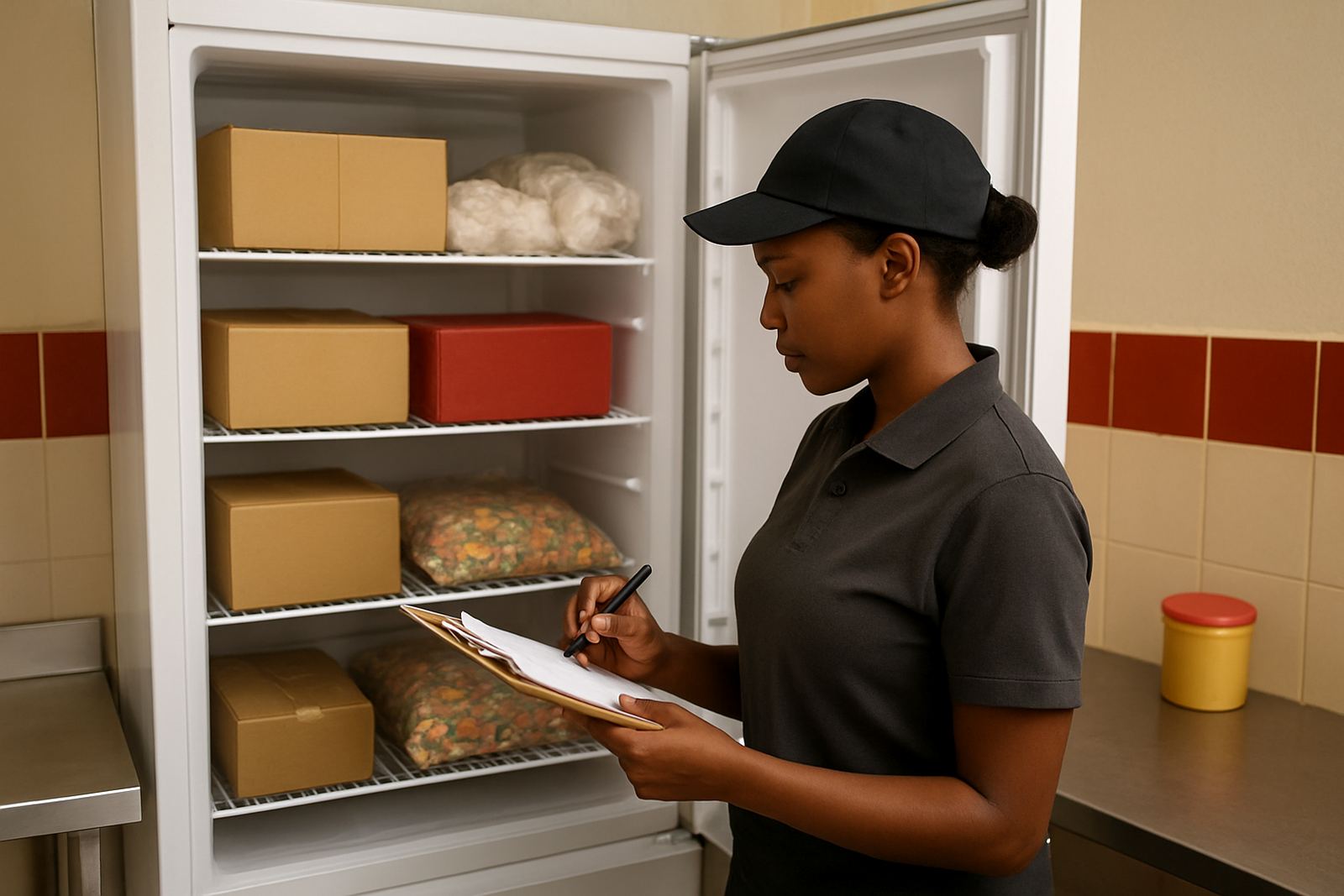
An upright freezer is a vertical, insulated freezer cabinet made for commercial food storage. It is used for frozen vegetables, meat, sauces, pastry, pre-portioned stock and back-up ingredients that need stable low temperatures and regular rotation. Compared with a chest freezer, the upright format saves floor space and makes it easier to organise stock by shelf or tray, which helps when you are checking dates in a rush.
In a restaurant or institutional kitchen, this matters because stock control has to be quick and clean. Staff can open the door, take what they need, and close it again without digging through layers of frozen product. That means less temperature loss and less time standing at the unit. For kitchens in Durban, where heat and humidity work against refrigeration, the right door seal and air flow are just as important as capacity.
Sizes, door types and internal layout options
Upright freezers are usually chosen by litre capacity, external footprint and the way the inside is divided. Smaller units suit prep rooms and satellite kitchens, while larger cabinets are better for hotels, hospitals and canteens with higher daily turnover. We help match the size to the actual stock pattern, not only the floor space available.
- Single-door units for tighter spaces and lighter frozen storage
- Two-door cabinets for higher volume kitchens with separate stock groups
- Solid doors for better insulation and lower running cost
- Stainless steel exteriors for hygiene, durability and easier cleaning
- Adjustable shelving or tray slides for trays, cartons and labelled containers
Typical commercial sizes range from about 400 L up to 1 400 L or more, depending on the model. External width can start around 600 mm and move up to double-door cabinets of 1 300 mm or wider. Depth and height vary as well, so access routes, doorways and service passages need to be checked before ordering.
Where upright freezers suit best in KwaZulu-Natal
These freezers suit kitchens where frozen stock must be reached often during service. They work well in restaurant prep rooms, bakery stores, hospital kitchens, school canteens, butcheries and catering stores. In coastal areas such as Durban North, Umhlanga and Ballito, a commercial freezer also needs to cope with warm ambient temperatures and salty air, so cabinet finish and service access matter.
In Pinetown and Pietermaritzburg, where many kitchens sit in mixed-use buildings or older service areas, an upright freezer is often chosen because it fits through standard access points and can be positioned near a prep bench or cold room. If the unit is for a hospital or large institution, we also look at cleaning access, stock separation and whether the freezer must sit inside a controlled prep route. That makes audits and daily checks easier.
- Restaurants with fast frozen stock turnover
- Hospitals and care kitchens with menu planning needs
- Canteens and contract caterers needing shelf-based organisation
- Bakery and pastry areas for dough, fillings and finished product
- Backup storage when a cold room is not practical
Power supply, heat and installation points
Most upright freezers run on standard single-phase electricity and need a dedicated socket, with the exact load depending on the cabinet size and compressor rating. We check the supply available on site before installation, especially where load-shedding, generator changeover or older wiring could cause nuisance tripping. A freezer should not share a circuit with heavy cooking equipment unless the electrician has confirmed the load is safe.
Leave enough clear space around the cabinet for airflow, door swing and cleaning. If the condenser cannot breathe properly, the unit will work harder and use more power. That is a common problem in kitchens pushed against a wall or packed into a hot corner. In some sites we may recommend a small plinth, castors with brakes, or a position away from the stove line so the freezer is not pulling in extra heat. If the freezer sits near a greasy prep area, the ventilation grille will need more regular attention.
- Dedicated power point with correct overload protection
- Level floor for proper door seal and drainage of condensate
- Ventilation gap around the cabinet, especially at the back and sides
- Not positioned in direct sun or beside high-heat equipment
- Generator or inverter backup checked for start-up current
Cleaning and servicing that keeps the freezer reliable
Good care starts with stock discipline. Keep heavy frozen items off the floor, rotate older stock forward and do not overpack the cabinet. Air must move around the product so the temperature stays even from top shelf to bottom shelf. Door seals should be wiped clean and checked for cracks because a tired seal lets warm air in, which then leads to frost build-up and higher running costs.
On a regular service, we inspect the condenser, compressor, fans, thermostat settings and door hardware. We also look at the defrost cycle and make sure the drain is not blocked. In humid Durban conditions, ice can build up quicker than expected if the unit is opened often or if warm stock is placed inside. A simple monthly routine, including cleaning dust off the grille and checking the seal with a paper strip, can prevent a lot of call-outs.
- Wipe interior shelves and gasket edges with food-safe cleaner
- Keep coils and vents free of dust and fluff
- Defrost and deep clean when frost starts to reduce storage space
- Check temperature display and probe readings during the day
- Log faults early so small issues do not become breakdowns
What to confirm before you place an order
Before ordering, measure the doorways, passage width and final position so the cabinet can be installed without damage. Then confirm the type of stock you will store, the volume per week, and whether shelves or tray runners are needed. A freezer for boxed stock will be set out differently from one used for restaurant prep containers or hospital portion packs.
It also helps to know the ambient temperature of the room, because a freezer in a hot scullery will perform differently from one in a cool store room. Ask for the internal temperature range, power rating, insulation thickness and whether the unit is suitable for your usage cycle. If you are replacing an old cabinet, check the age of the current unit, where it failed, and whether repairs were becoming too frequent. That gives a better picture of what should be supplied next.
For fitted kitchen projects, we can also assist with layout, extraction planning, stainless fabrication and installation sequencing so the freezer lands in the right place, not as an afterthought. If you need advice on a freezer for a new site or an upgrade, our Durban team can help spec it properly from the start.
Key facts
| Product type | Commercial upright freezer |
|---|---|
| Capacity range | About 400 L to 1 400 L plus, depending on model |
| Temperature range | Typically around -18 C to -22 C |
| Construction | Insulated cabinet with solid door and adjustable shelving |
| Power | Single-phase electric supply, dedicated circuit recommended |
| Finish options | Stainless steel or coated commercial exterior |