Start With the Way Your Kitchen Actually Operates
A busy restaurant kitchen, a hospital ward kitchen and a canteen on a school or factory site do not need the same cooking power. Gas suits some menus because heat changes quickly and chefs can work through load-shedding with less disruption. Electric suits other sites because the heat is often cleaner, easier to control, and simpler where gas storage or extraction is limited.
The first question is not what looks better on paper. It is how many meals you need to push out in an hour, who is cooking, and what happens when the power fails. In Glen Anil or Umhlanga, for example, a site with reliable electricity and a tight kitchen footprint may lean one way, while a coastal canteen in Ballito with heavier prep and frying may need a different setup.
Where Gas Works Well and Where It Can Slow You Down
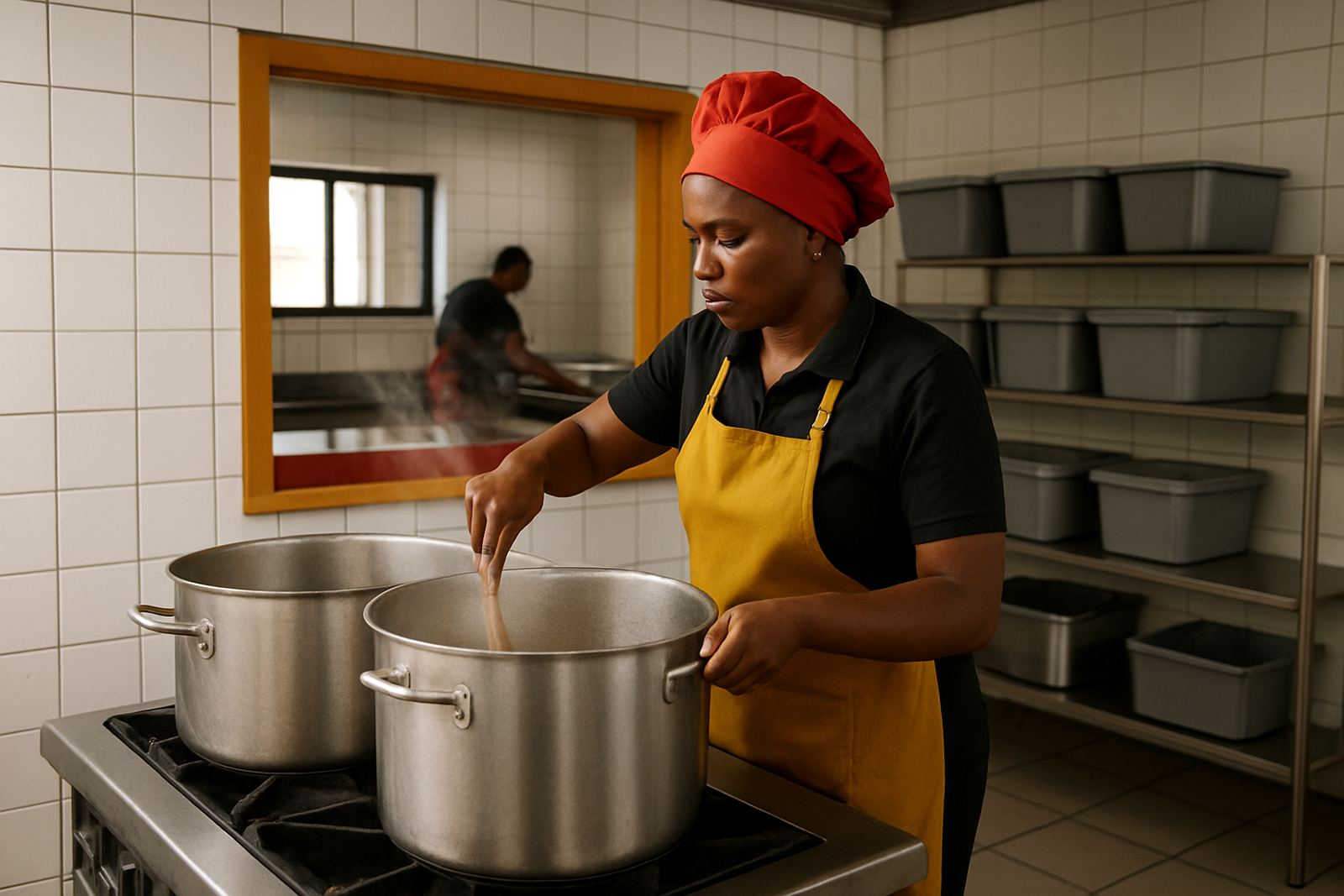
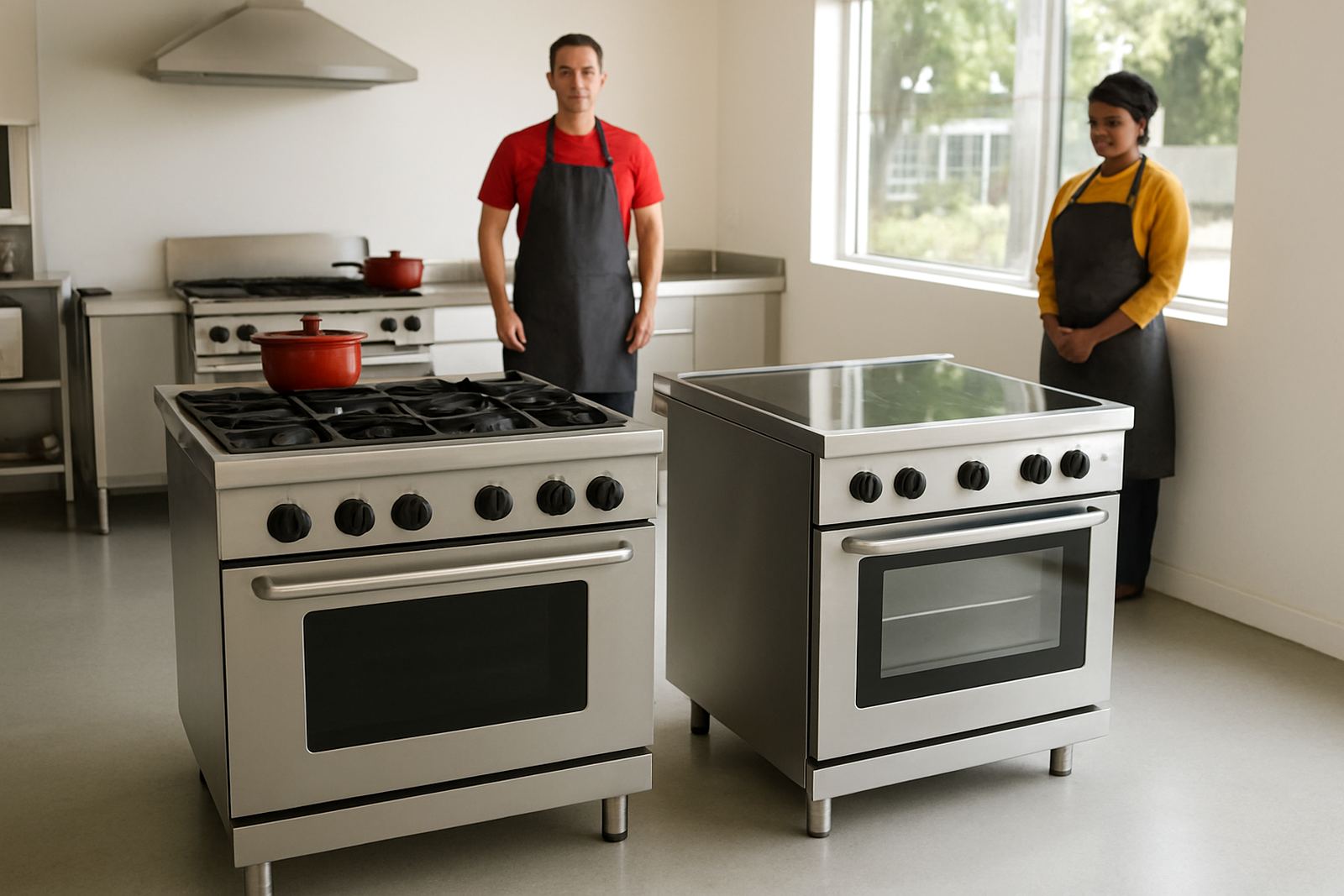
Gas is popular for high output cooking because it gives instant response. It is useful for boiling, stir frying, grilling and anything where the operator wants quick heat changes. For kitchens that need to keep serving when municipal power drops, gas offers a practical back-up path, but only if the installation is done properly and the cylinders or bulk supply are managed safely.
That said, gas is not free from limits. You need safe storage, enough fresh air, correct pipe sizing and proper extraction above heat and flame. If the line is undersized or the flue work is poor, the equipment will underperform and the kitchen gets hot and uncomfortable. A small typo in the spec can become a daily frustration, and a costly one too.
- Good for fast heat changes and high-turnover cooking
- Useful where load-shedding is a regular issue
- Needs compliant gas storage, pipework and ventilation
- Best when the team is trained to shut down and relight safely
Why Electric Suits Some Commercial Sites Better
Electric cooking equipment often gives steady heat and consistent results, which suits prep lines, bakeries, hot cupboards and some bulk production areas. It can also be easier to clean around because there are no open flames or cylinders at the point of use. In a hospital kitchen, for example, consistency and controlled operation may matter more than instant flare and high burner output.
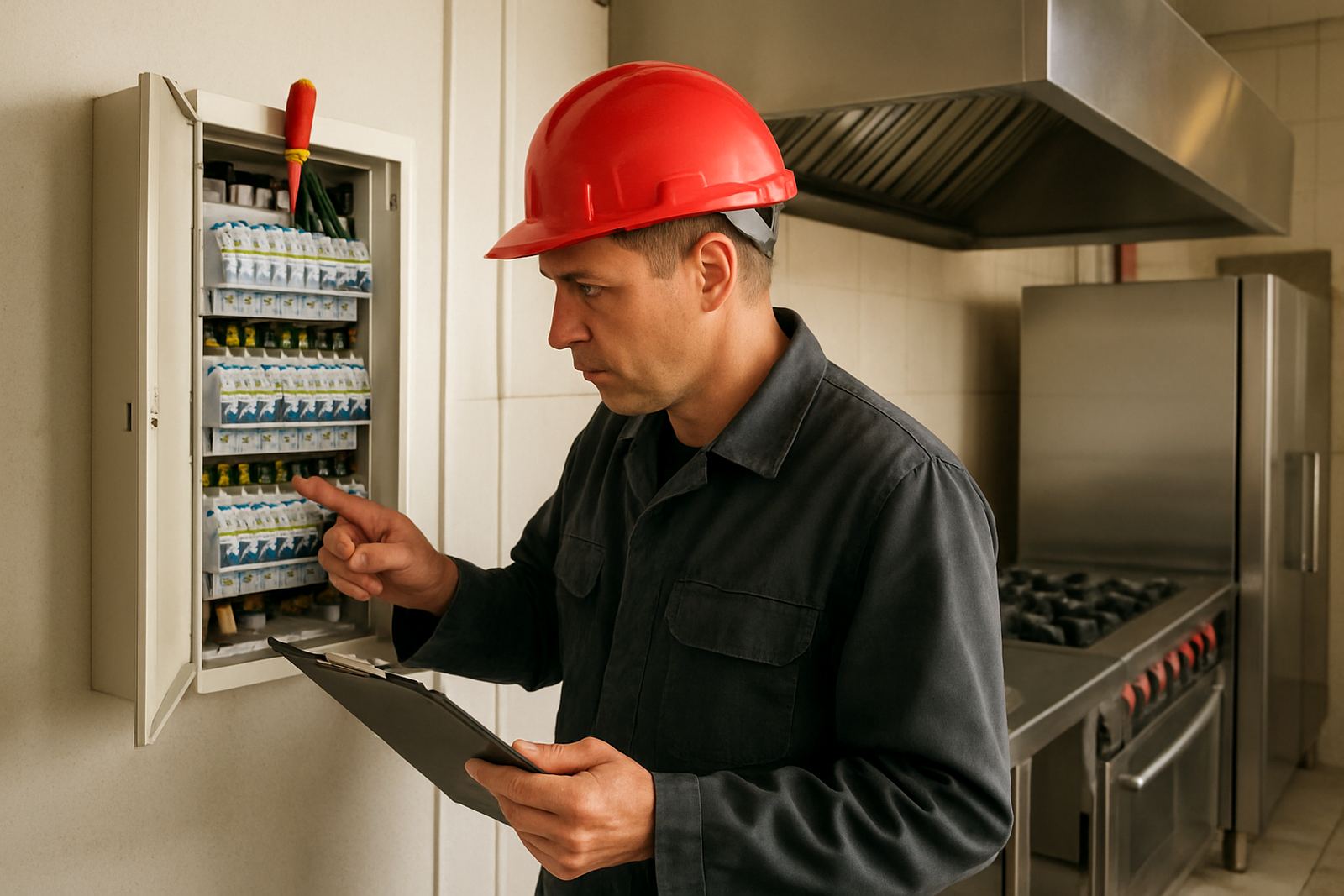
Electric equipment usually depends more heavily on stable supply, so your site must be checked carefully. If your area sees regular outages, voltage dips or generator changes, the equipment choice needs to match that reality. An oven or hotplate that performs well on a normal day can become unreliable if the supply is poor or the backup system is not sized properly.
- Suited to steady, controlled cooking and holding
- Often simpler for cleaning and daily upkeep
- Depends on reliable electrical supply and correct breaker sizing
- Can be easier to manage where gas storage space is tight
Running Costs Are Not Just About the Utility Bill
People often compare gas and electric by looking only at the unit price of fuel or power, but that is only one part of the picture. A cheaper fuel type may still cost more overall if the equipment is slower, harder to clean, or not matched to the menu. If staff take longer to cook, or if pans lose heat because the appliance is underpowered, the kitchen pays for that in labour and delays.
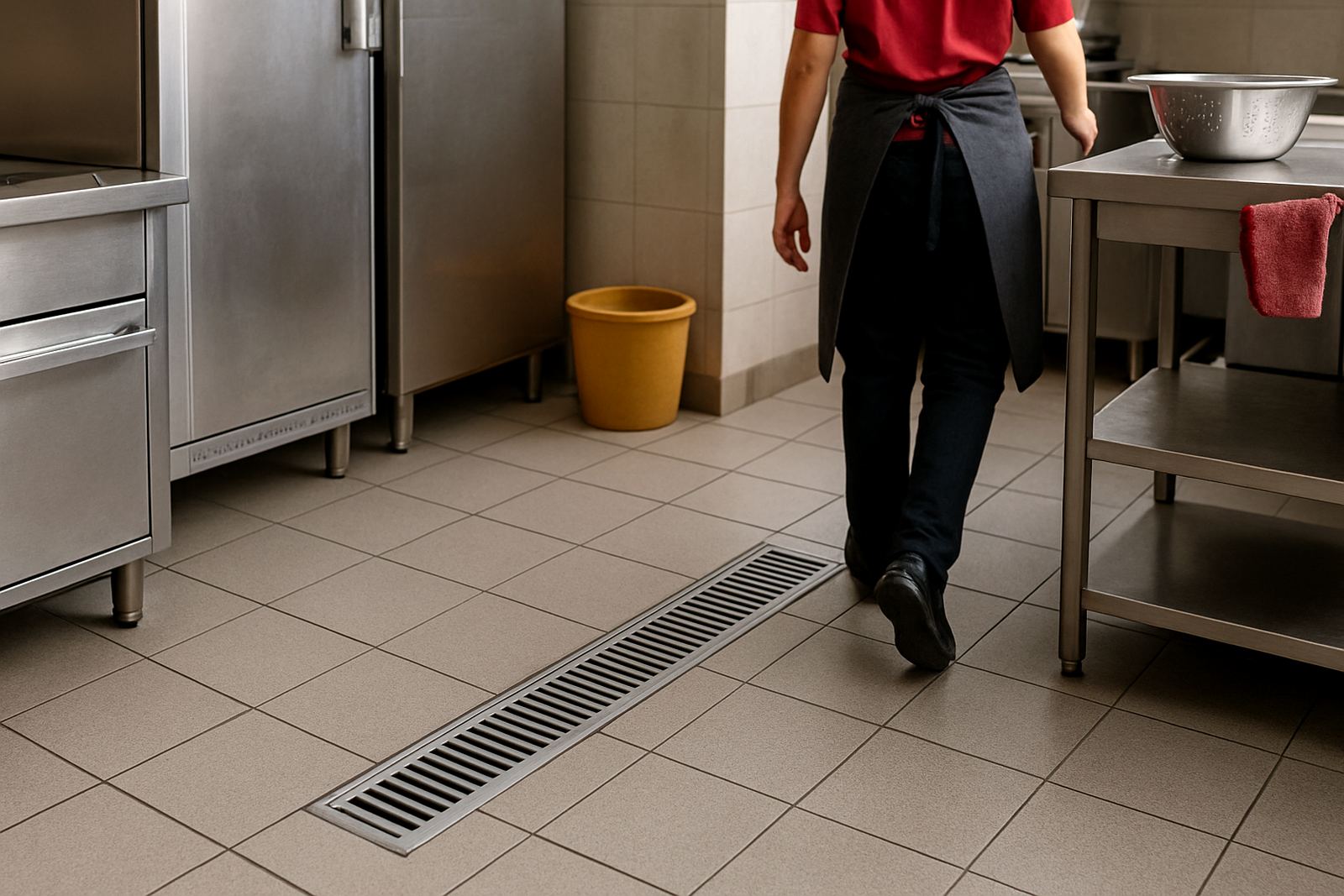
Maintenance matters too. Gas burners, igniters and regulators need checks. Electric elements, thermostats and contactors need watching as well. In humid coastal areas like Durban North and Ballito, corrosion can affect both types if the room is badly ventilated or if equipment sits near steam and salt air. Preventive maintenance is not a nice-to-have, it keeps the operation steady.
Site Conditions in KwaZulu-Natal Can Change the Answer
Durban kitchens face a mix of load-shedding, humidity and tight urban sites. In Pinetown or Pietermaritzburg, an inland site may have different ventilation and temperature conditions to a coastal premises. That changes how equipment behaves, how extraction is designed, and how comfortable the staff will be during peak service.
Municipal fire rules, gas compliance and building layout also matter. If the kitchen is being fitted into an older site with limited duct routes, electric may reduce complexity. If the client wants a cooking line that can carry service through outages, gas may be the practical choice, provided the design includes safe shut-off valves, correct clearances and extraction sized for the output.
We often recommend a site survey before any final decision. A quick visit can show up issues like weak supply points, not enough make-up air, or a gas route that would need more work than expected. That kind of checking saves time later and keeps the install straightforward.
A Durban Example: Matching Power to the Menu
Take a busy staff canteen in Durban North serving breakfast, lunch and packed dinners. The menu might include eggs, grilled items, stews, rice and vegetables with constant turnover at set times. In that case, a mixed approach can make sense: gas for quick-response cooklines, and electric for ovens, holding units and prep support. This gives flexibility when the power is unstable and keeps the cooking team moving.
By contrast, a smaller institutional kitchen with limited staff may prefer electric equipment for its easier routine and cleaner working area. The right answer is not always one or the other. Often the best fit is a planned mix of both, based on the menu, the building and the operating hours.
What to Ask Before You Buy
Before spending money, ask three simple questions: what must keep running during load-shedding, what can the site safely support, and who will use the equipment every shift. Those answers point you towards the right fuel type and the right specification.
- Check your available electrical supply and backup capacity
- Confirm where gas cylinders or bulk tanks can be placed safely
- Allow for extraction, make-up air and heat control
- Match the appliance size to actual meal numbers, not guesswork
- Plan for maintenance, training and spare parts access
At KZN Catering Equipment, we work across Glen Anil, Durban North, Umhlanga, Pinetown, Ballito and Pietermaritzburg, helping clients compare cooking options against the real site conditions. A proper specification now usually saves a lot of rework later.