
Start with the way ice moves through the kitchen
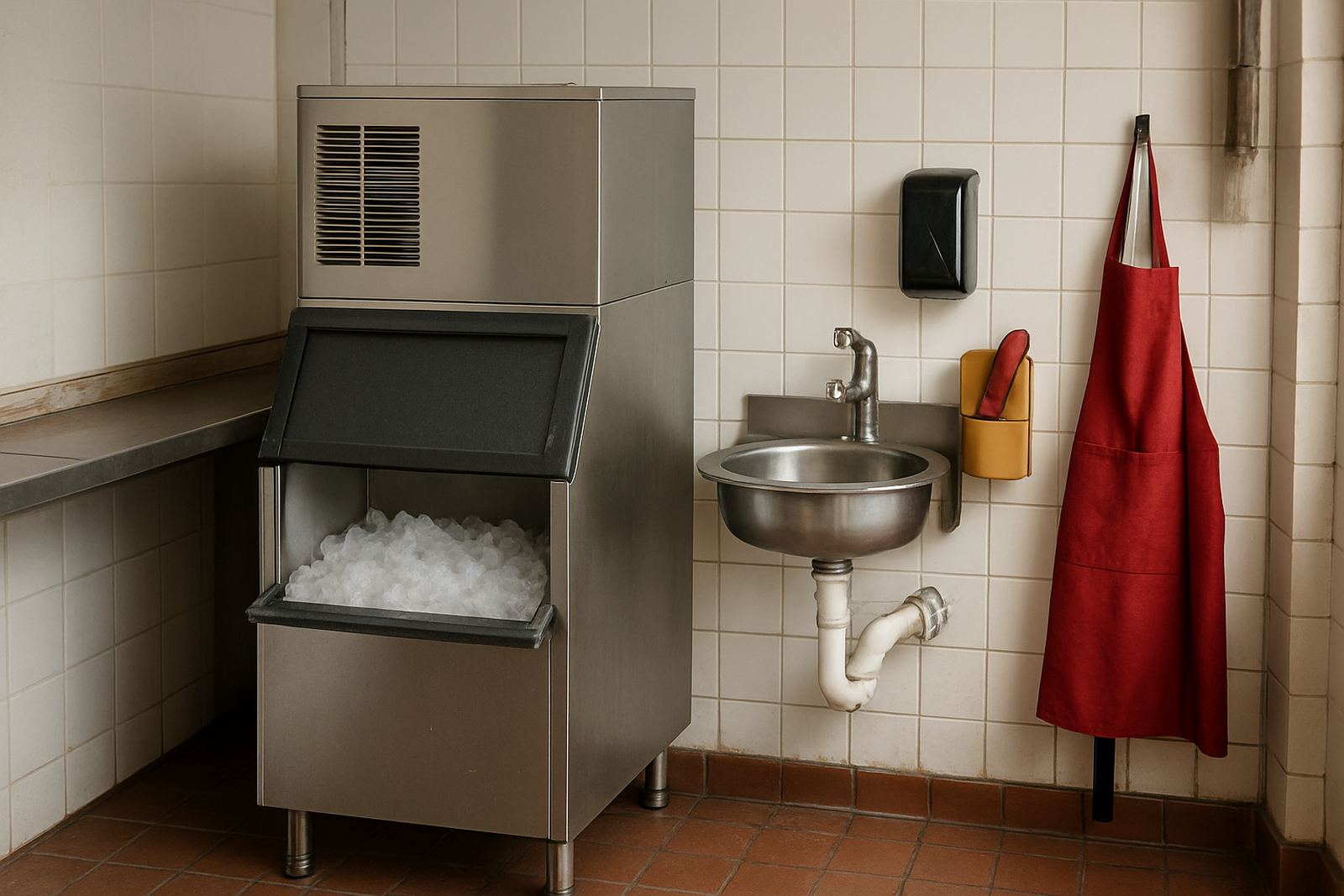
An ice machine should sit where staff can reach it without crossing hot cooking lines, tray return points or raw food prep areas. In a busy restaurant or canteen, that usually means keeping it close to the beverage station, cold prep counter or pass, but not wedged into a corner where buckets, mop water and foot traffic all meet.
The best placement is one that matches the daily routine. If staff need ice for drinks, salad service or fish displays, the machine must be easy to access from the clean side of the kitchen. If the machine is used mainly for storage bins or front of house, place it so service staff can collect ice quickly without entering the main production area. That saves steps and keeps the floor clearer during peak hours.
- Keep the machine out of raw meat prep zones.
- Allow one clear route for staff carrying ice bins.
- Make sure the lid or door can open fully without hitting a wall.
- Do not place it where cleaning chemicals are stored or decanted.
Drainage is non-negotiable in coastal kitchens
Durban humidity can turn a poor installation into a constant service problem. Ice machines produce melt water, and that water must go somewhere clean and controlled. If the drainage point is too far away, too high, or badly positioned, water can back up and cause smells, slip hazards or scaling inside the unit.
For Glen Anil, Umhlanga and Ballito kitchens close to the coast, a proper drain run matters even more because warm air and salt exposure can speed up corrosion. The machine should stand level on a firm base, with enough clearance to keep the drain line accessible for inspection. If the floor has a slope, check that water will not run under the unit and pool around the legs.
- Use a dedicated drain point where possible.
- Keep drain lines short and easy to inspect.
- Do not let waste water discharge across a walking route.
- Allow for regular cleaning of the drain trap and hose.
Where floor drainage is not available, the installation needs proper planning before the unit arrives. That prevents last minute patch jobs that look untidy and fail under load.
Put service access ahead of tight floor plans
Many kitchens try to hide the ice machine in the smallest available gap, then regret it later when filters, pumps or panels need attention. An ice machine needs air flow, space for cleaning and enough room for a technician to open panels or remove components. If access is blocked, even routine maintenance becomes slow and expensive.
Leave enough space around the unit for the side and rear panels to breathe. In a hot plant room or near ovens, poor ventilation can make the machine work harder and produce less ice. That leads to more breakdowns, higher power use and avoidable callouts. It is better to sacrifice a few metres of floor space than to place the machine where it overheats every afternoon.
- Do not enclose the machine tightly between hot appliances.
- Allow clear access to water lines and electrical isolators.
- Keep the condenser area free of flour dust, grease and lint.
- Plan enough room for cleaning brushes, filters and trays.
Choose a spot that supports clean handling
Ice is a food item, so its route must be treated with the same care as milk, meat or cooked rice. The ideal location lets staff fill scoops and bins without touching dirty surfaces. If possible, place the machine on the clean side of the kitchen near the cold room or prep area, not beside the refuse point or dishwash return.
In hospitals and school canteens, hygiene rules are even stricter. Staff should not have to carry open ice containers through cleaning zones, and the machine should not be under an extractor that drips grease or condensation. A neat layout helps with municipal and internal audit checks, and it keeps the ice safer for serving and storage.
- Use a dedicated scoop holder or bin, not a shared utensil tray.
- Avoid spots under leaking ceilings or aircon units.
- Keep the machine away from mop sinks and chemical shelves.
- Make sure the floor around it can be washed and dried easily.
Match placement to power and daily operating costs
Ice machines work best when the supply is steady and the environment is cool enough for proper cycling. In KwaZulu-Natal, load shedding and fluctuating power can affect output, so the machine should be placed where electrical connections are protected and easy to isolate. If the unit is too far from the main board, the cable run can become untidy and harder to maintain.
For sites that run standby power, it helps to position the ice machine on the same critical services plan as refrigeration and cold prep equipment. That way, the kitchen can keep producing ice during outages instead of losing stock halfway through service. If your site has frequent voltage dips, a clean electrical supply and a simple restart routine will save a lot of trouble.
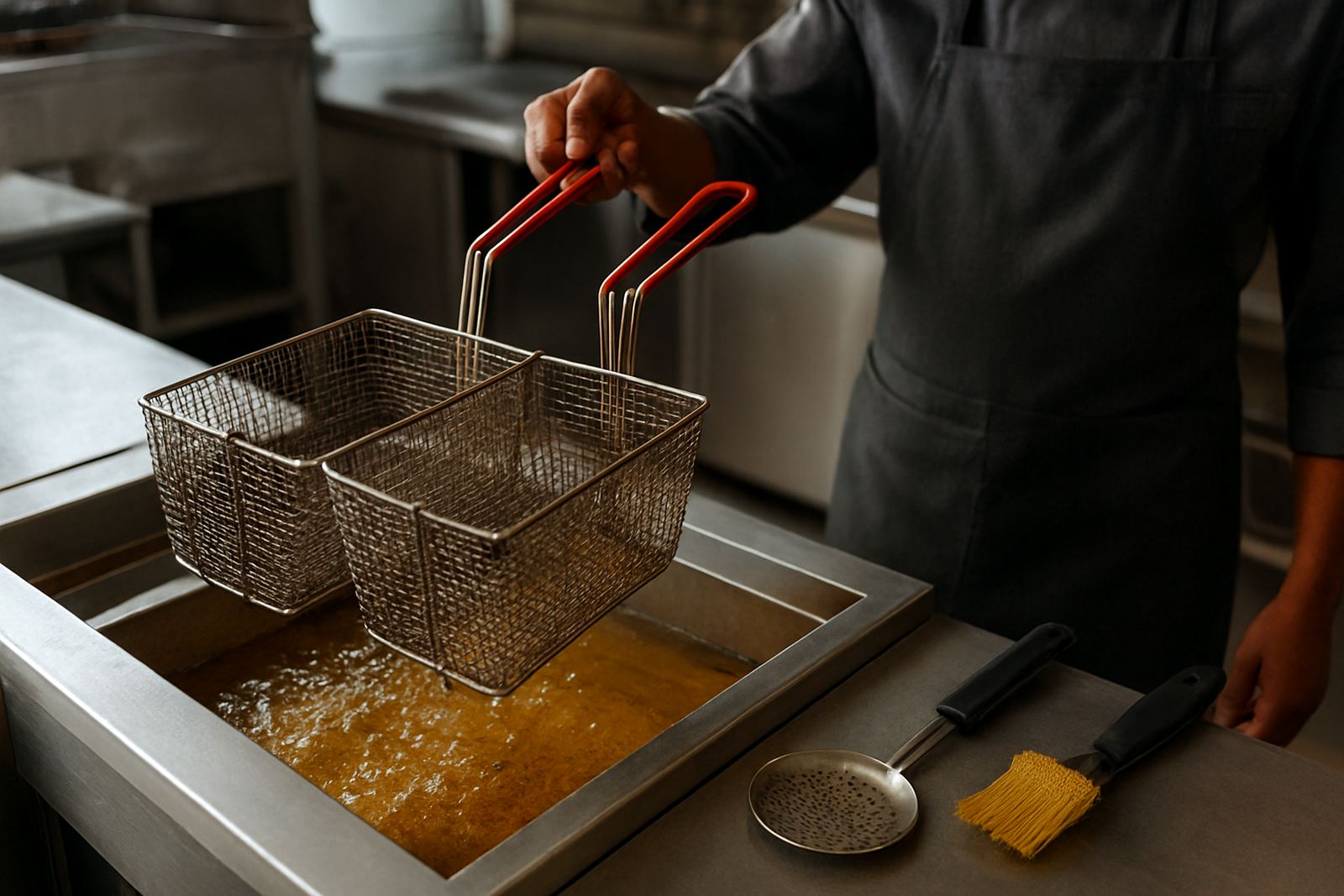
In one Durban North dining room, the machine was originally squeezed beside a deep fryer. Ice output dropped on hot afternoons, and the drain line kept blocking with grease film. Once it was moved to a cooler prep alcove with direct drain access and better air flow, the staff noticed the difference within a week.
A practical checklist before the machine arrives
Before installation day, measure the space properly and check the route the machine will take into the building. A quick check at the loading bay can prevent damage to doors, tiles and the unit itself. It also helps the installer confirm whether the final position is suitable for drainage, ventilation and cleaning access.
- Measure height, width and depth, then add space for doors and vents.
- Confirm the floor can carry the full operating weight.
- Check for a nearby drain, water point and isolator.
- Look for heat sources, direct sun and humidity buildup.
- Plan how staff will refill bins without crossing dirty areas.
If you are fitting out a restaurant in Pinetown, a canteen in Pietermaritzburg or a healthcare kitchen in Durban North, a site survey before the machine lands can save a second visit. It also helps avoid awkward changes after tiling or stainless work is already complete.
The best placement is the one that stays easy to live with
An ice machine should work quietly in the background. If staff can reach it fast, keep it clean and drain it properly, it becomes one less problem during service. Good placement is not about hiding the unit away. It is about putting it where hygiene, airflow and daily use all line up.
That is why the right answer changes from site to site. A hotel bar in Umhlanga, a hospital pantry in Durban, and a school servery in Ballito will all need different layouts. The aim is the same though: keep the ice clean, the floor dry and the team moving without extra steps.
When the layout is planned early, the machine becomes part of the kitchen flow instead of an afterthought.