Hotel Back-of-House Needs More Than a Hot Line
A hotel kitchen is not just a place to cook meals. It has to support a dining room, a bar, conference catering, room service, early breakfast service and often a banqueting schedule that changes with very little notice. That means the equipment mix needs to be planned around timing, staff movement and the size of the property, not only around the menu.
In Durban and along the coast, hotels also have to deal with heat, humidity and salt air. Stainless finishes, correct ventilation and sensible cold storage placement make a real difference to how long the equipment lasts. If the kitchen sits close to the sea, a few bad decisions can mean rust, swollen seals and more callouts than planned.
We work with hotels in Glen Anil, Durban North, Umhlanga, Pinetown, Ballito and Pietermaritzburg, from smaller guest properties to larger full-service operations. The aim is to fit the kitchen to the way the hotel trades, not force the hotel to work around equipment that was bought in pieces over time.
Typical Hotel Kitchen Equipment We Specify
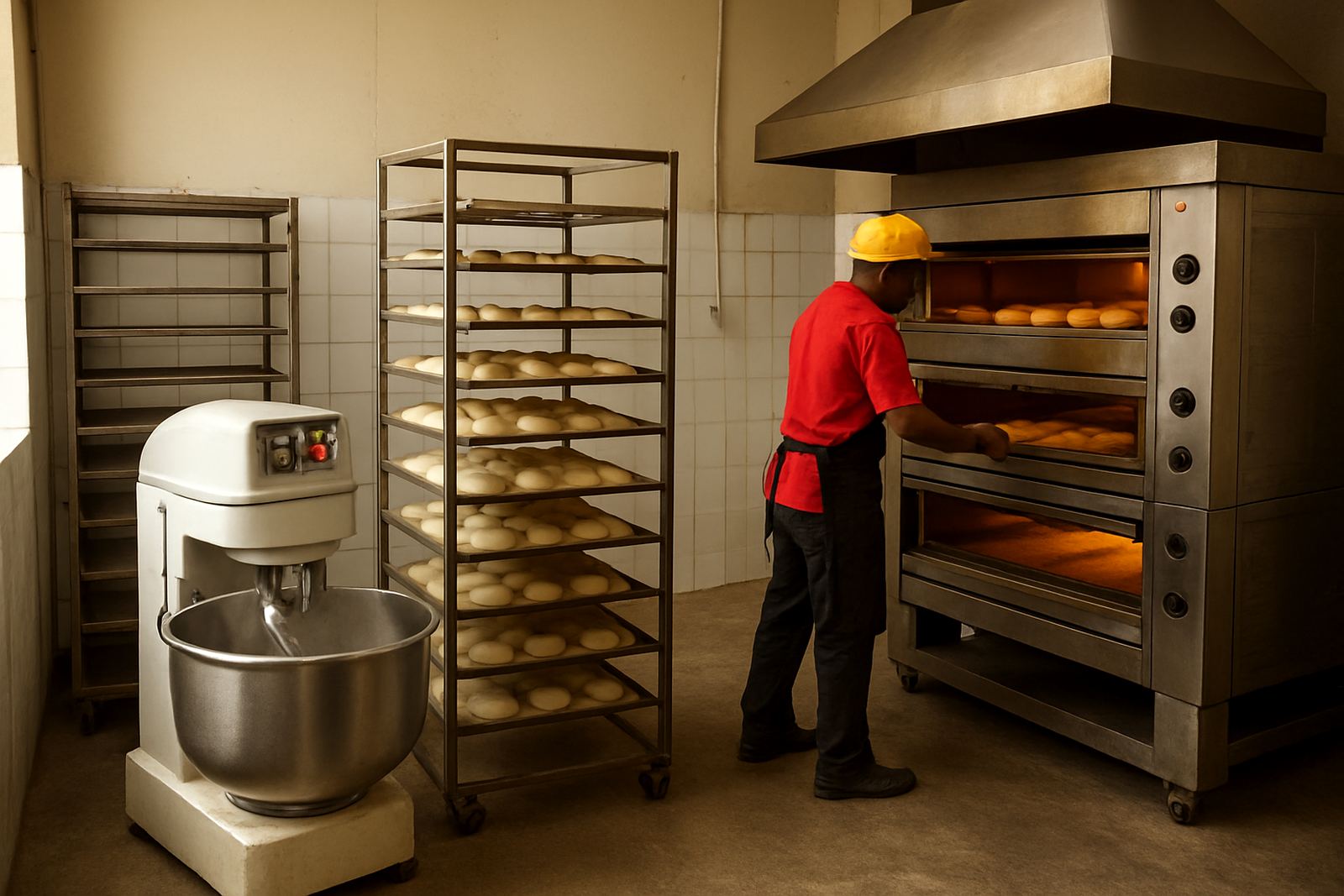
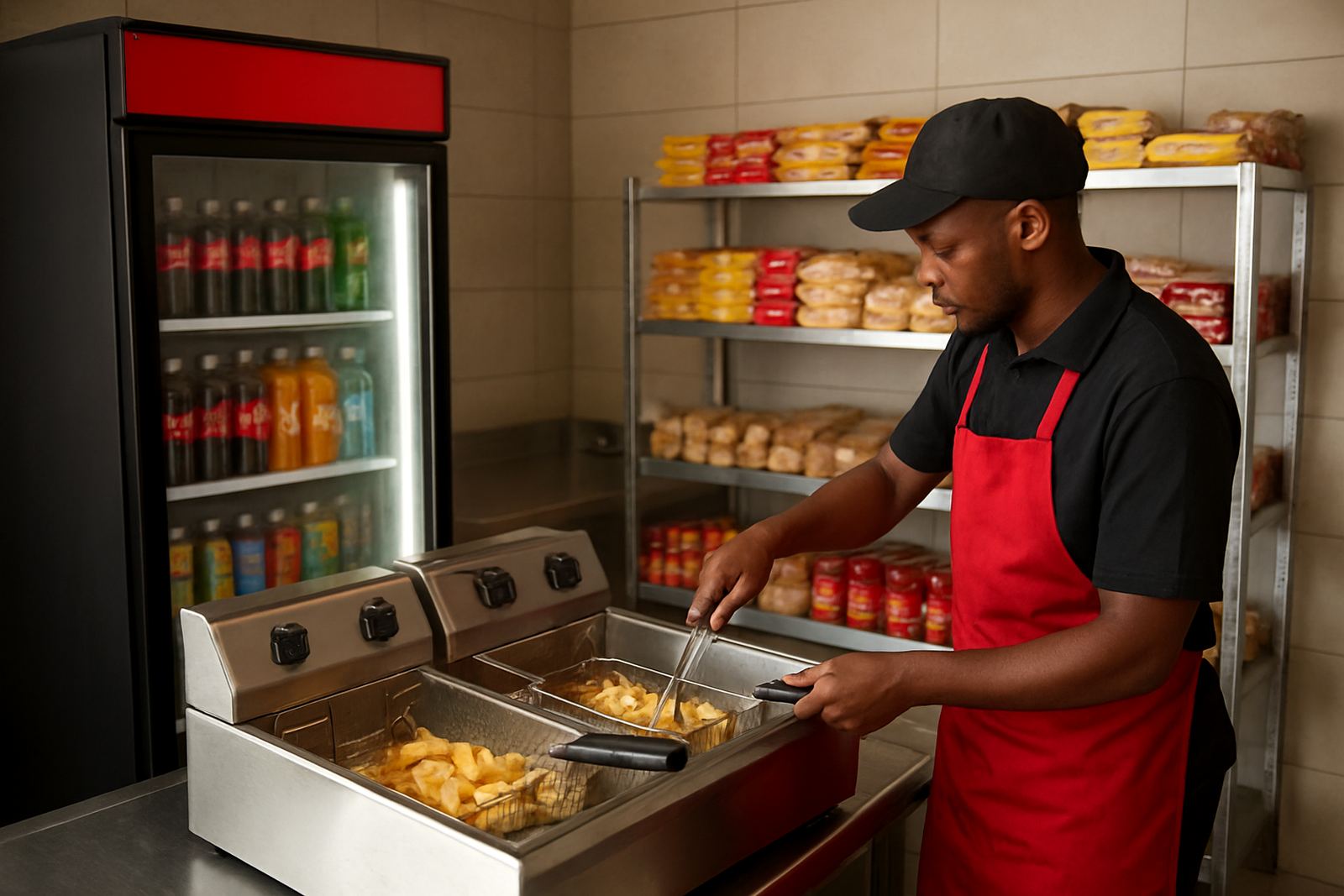
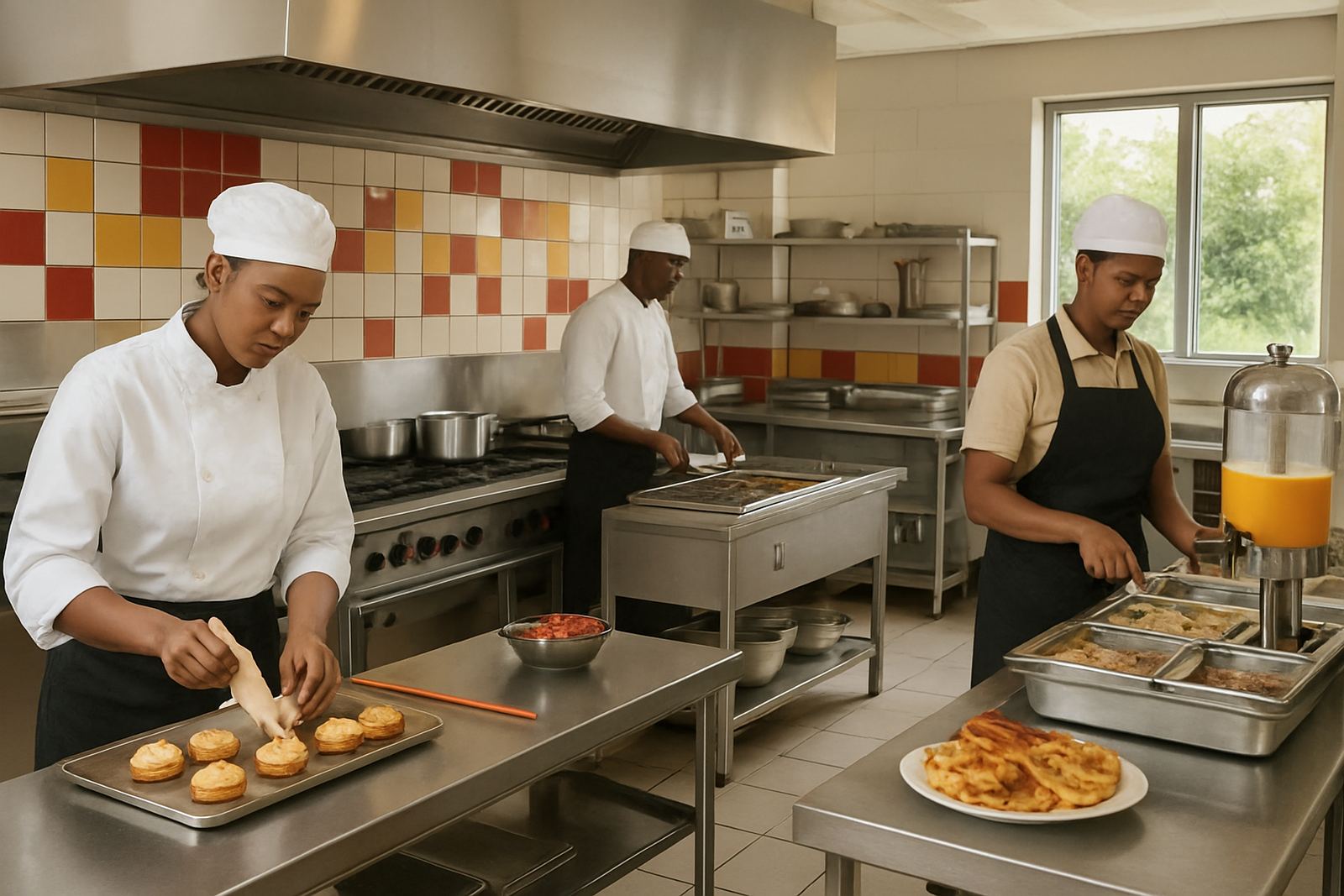
The right hotel kitchen usually includes a mix of cooking, prep, cold storage and holding equipment. For breakfast service, that might mean a line with fryers, griddles, toasters, urns and warming cabinets. For banqueting, it may also need combi ovens, heavy duty ovens, bain maries, trolleys and plate holding space. Room service adds packing counters, pass-throughs and fast access to hot and cold items.
- Hot line equipment such as ovens, ranges, griddles, fryers and hot holding units
- Preparation benches, sinks, vegetable prep points and cutting areas
- Cold rooms, upright fridges, undercounter fridges and freezer storage
- Dishwashing areas with pre-rinse, pass, wash and dirty return flow
- Stainless steel tables, shelving, pot wash sinks and wall cladding
- Extractor canopies, ducting and make-up air planning
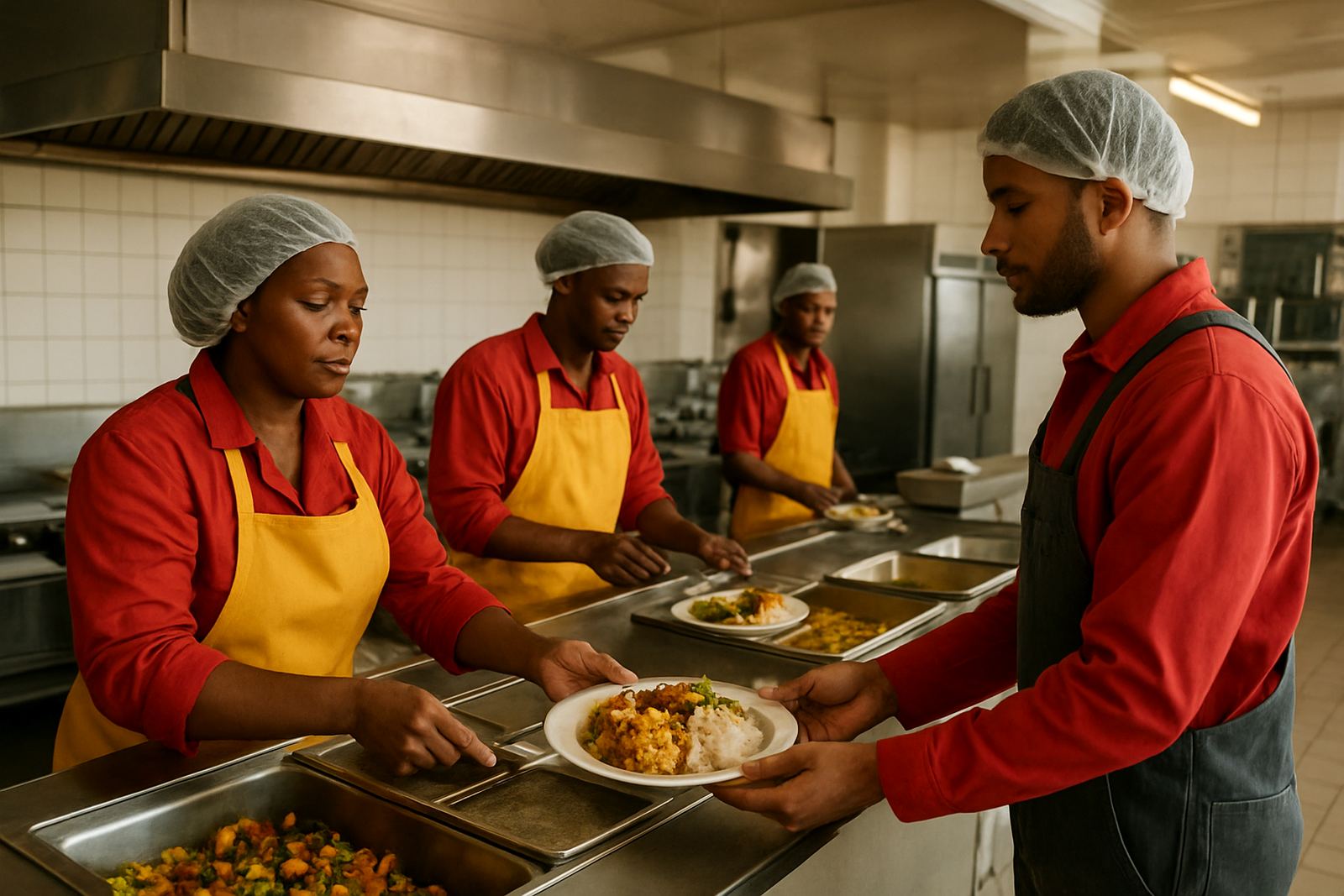
We also specify equipment for pastry, butchery, breakfast prep and staff canteens when the hotel runs those functions in-house. If the property has events in a function room, we look at how the kitchen will cope with peak cover counts as well as day-to-day meal production.
Layout Planning That Keeps Service Moving
A hotel kitchen should move in one direction where possible: receiving, storage, prep, cooking, plating and dispatch. When that flow breaks down, staff start crossing paths, trays get left in the wrong place and clean-up takes longer than it should. Good planning saves labour every day, not just on opening day.
One common mistake is placing hot equipment too close to cold storage. Another is leaving too little room for dish return and waste handling. In busy hotels, these small problems cause bottlenecks during breakfast and again at dinner service. We also check door swings, trolley turning circles, service hatch positions and access for cleaning.
Load-shedding matters too. Hotels that rely on breakfast and conference service cannot afford to guess where backup power will cover the kitchen. It helps to separate essential circuits for refrigeration, key cooking equipment and lighting so the kitchen can keep working when the rest of the property goes onto generator or inverter supply.
Common Hotel Kitchen Mistakes We See
Many hotel kitchens start with a good idea and a poor equipment list. The most common error is buying individual items before the layout is final. That usually leads to wasted corners, narrow walkways and extraction that cannot cope with the heat load. Another mistake is under sizing the cold room, especially where breakfast items, desserts and banquet prep all share the same storage.
- Not allowing enough space for plate-up during peak service
- Using too little refrigeration for breakfast and banqueting stock
- Forgetting extractor capacity for fryers and high heat cooking
- Placing dishwashing too far from the dirty return point
- Choosing finishes that are hard to clean in a humid coastal environment
We also see hotels skip preventative maintenance until something fails on a Friday night. A blocked fan, worn thermostat or loose door seal can create expensive food waste and stress for the whole team. Planned servicing and breakdown support are worth far more than emergency scrambling later on.
What A Hotel Fit-Out Usually Costs
Budget depends on room count, number of covers, banqueting frequency and whether the hotel needs a full kitchen or only a breakfast and functions setup. A smaller guest property with a compact service kitchen can sometimes start from around R250,000 to R600,000 for essential equipment and fit-out items. A mid-size hotel kitchen with proper hot line, prep, cold storage and wash-up areas often falls between R700,000 and R1.8 million. Larger full-service hotels with banqueting and multiple service points can move well above that.
Those figures can shift quickly if extractor work, gas reticulation, refrigeration rooms, stainless fabrication or electrical upgrades are needed. It is better to cost the kitchen around the actual service model than to set a blanket figure and hope the team can make it work later. We can help with phased spend too, especially where the hotel wants to open in stages.
For properties in coastal areas, we normally factor in stronger corrosion resistance and easier access for cleaning and maintenance. That small upfront adjustment often saves money over the first few years.
Our Durban Team Handles Design Through Commissioning
KZN Catering Equipment has been working from Glen Anil since 2007, and our team covers hotel kitchen projects across Durban and KwaZulu-Natal. Mandla Sibusiso Dlamini leads the business, with Priya Naidoo on kitchen design, Siyabonga Mkhize on projects, Annelise van Wyk on procurement, Luyanda Zungu on service and Jared Pillay on installation. That means one team can handle the layout, equipment list, site survey, extract planning, fabrication, installation and commissioning.
We also train staff on basic use and care, which matters in hotels where shifts change and equipment gets used hard. If a kitchen needs preventive maintenance or breakdown repairs later, we can return to the same site with the original spec in hand. For hotels, that continuity helps keep service steady and avoids the usual confusion around spare parts and mismatched equipment.
If your hotel is planning a new kitchen or upgrading an older one, send the floor plan, cover count and menu style through our contact form. We will work from the real operating needs, not guesses.