Start with the rush, not the menu
Peak planning begins by looking at when your kitchen gets stretched, and what actually slows it down. In Durban and along the North Coast, that might be a December lunch rush, a school holiday spike, or a conference group arriving all at once. In Pietermaritzburg, it may be banquet service, canteen peaks, or a hospital tray line that must keep moving even when the building is full.
Map your busiest 30 minutes. Count the number of plates, pans, trays, and cold items moving through each station. Then look at the bottlenecks. Is there enough chilled storage close to prep? Are cooks walking too far to the pass? Does one fryer or one combi oven end up doing too much? Once you know the pressure points, you can fix the right things instead of just buying more equipment.
Design the kitchen for movement under pressure
A kitchen that works on paper can still fail when the pace picks up. The layout must reduce crossing paths, dead ends, and congestion around the hot line. For a restaurant in Umhlanga or a canteen in Pinetown, the difference between a busy shift and a stressed shift is often just a few metres of better planning.
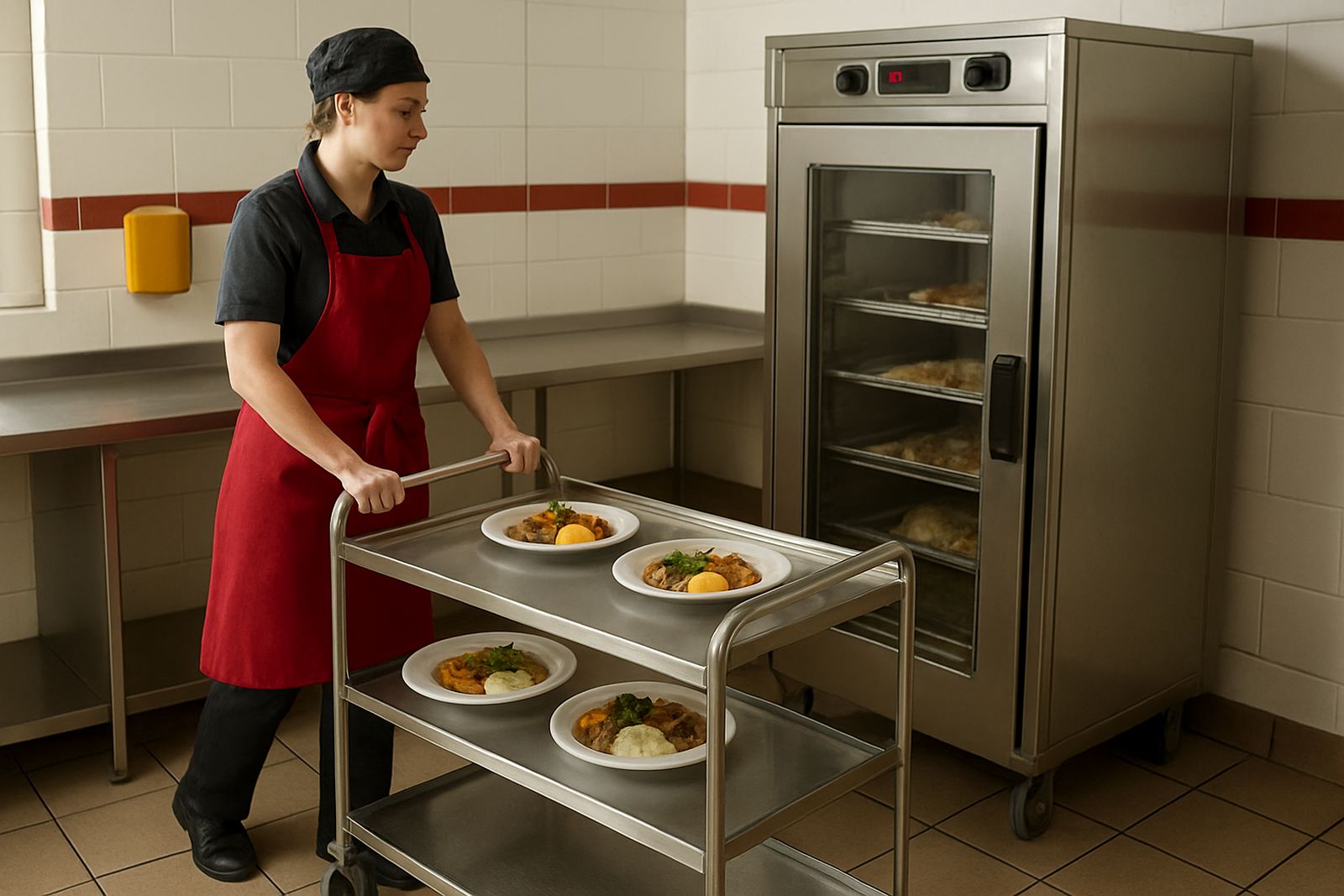
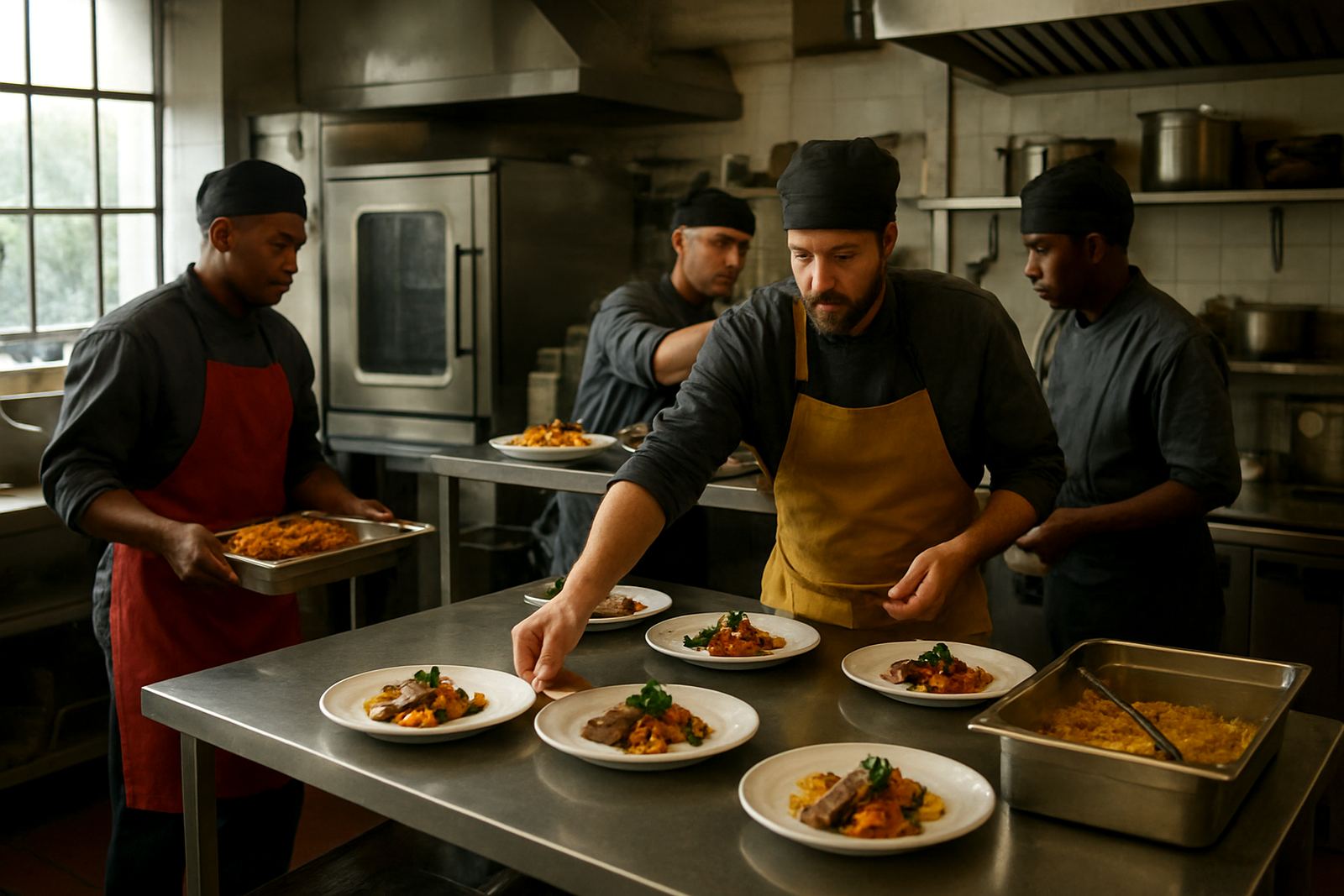
Keep raw prep separate from cooked food handling. Place cold storage where stock can be reached quickly without blocking the cook line. Put frequently used pans, trays, utensils and garnish within arm’s reach. Where staff must move between stations, leave enough aisle space for two people to pass safely, especially when carrying hot pots or full gastronorm trays.
- Shorten the path between storage, prep, cooking and plating
- Keep cleaning points close to the work area
- Allow space for carts, trolleys and tray movement
- Separate waste handling from food flow
Match equipment to real output, not wishful thinking
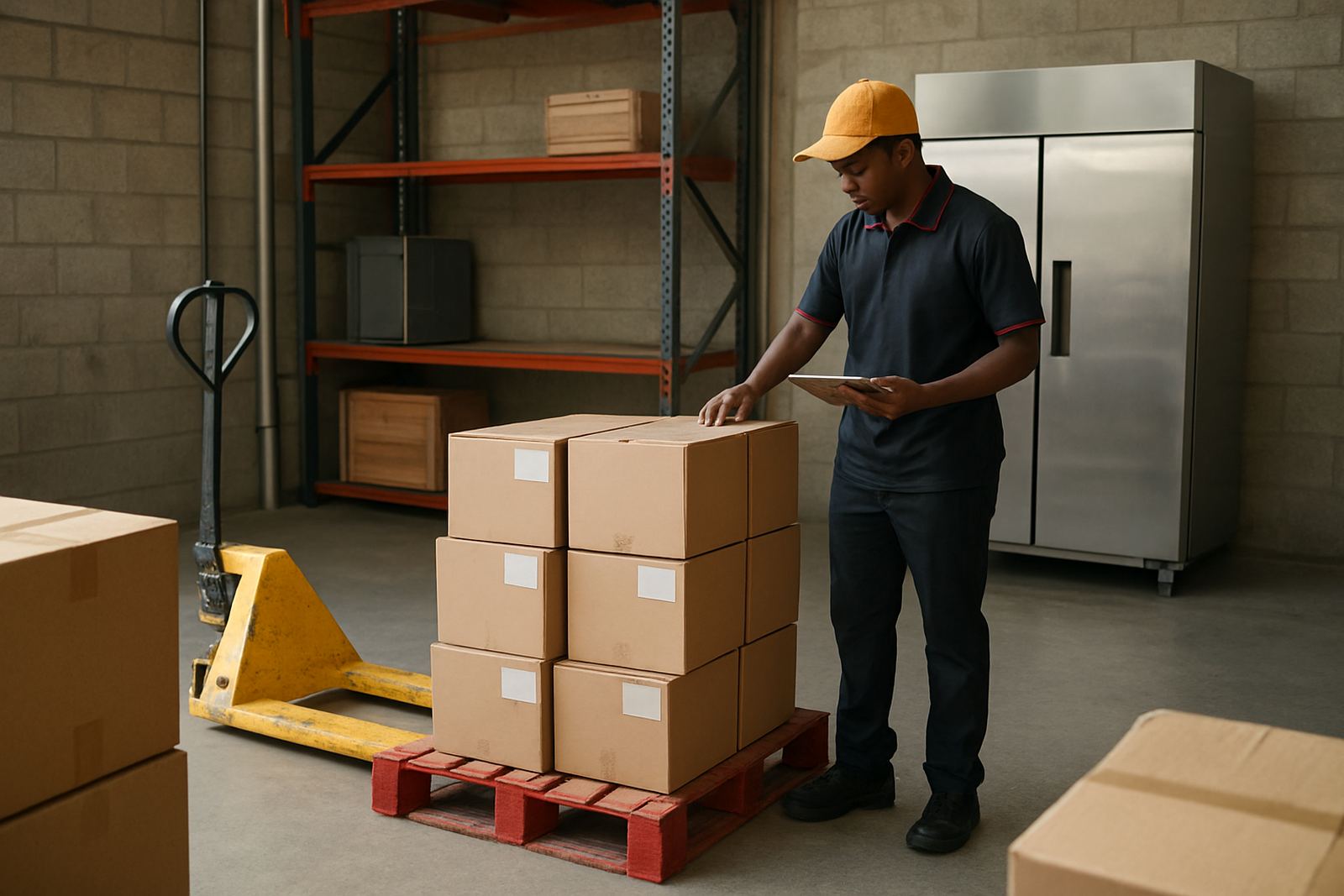
During peak service, under-sized equipment shows up fast. A single fridge that is fine for weekday trade may struggle when the fish delivery lands, desserts are prepped early, and drinks stock piles up. The same applies to cooking equipment. If the kitchen needs to push 80 meals in an hour, the holding, cooking and prep equipment must all suit that load.
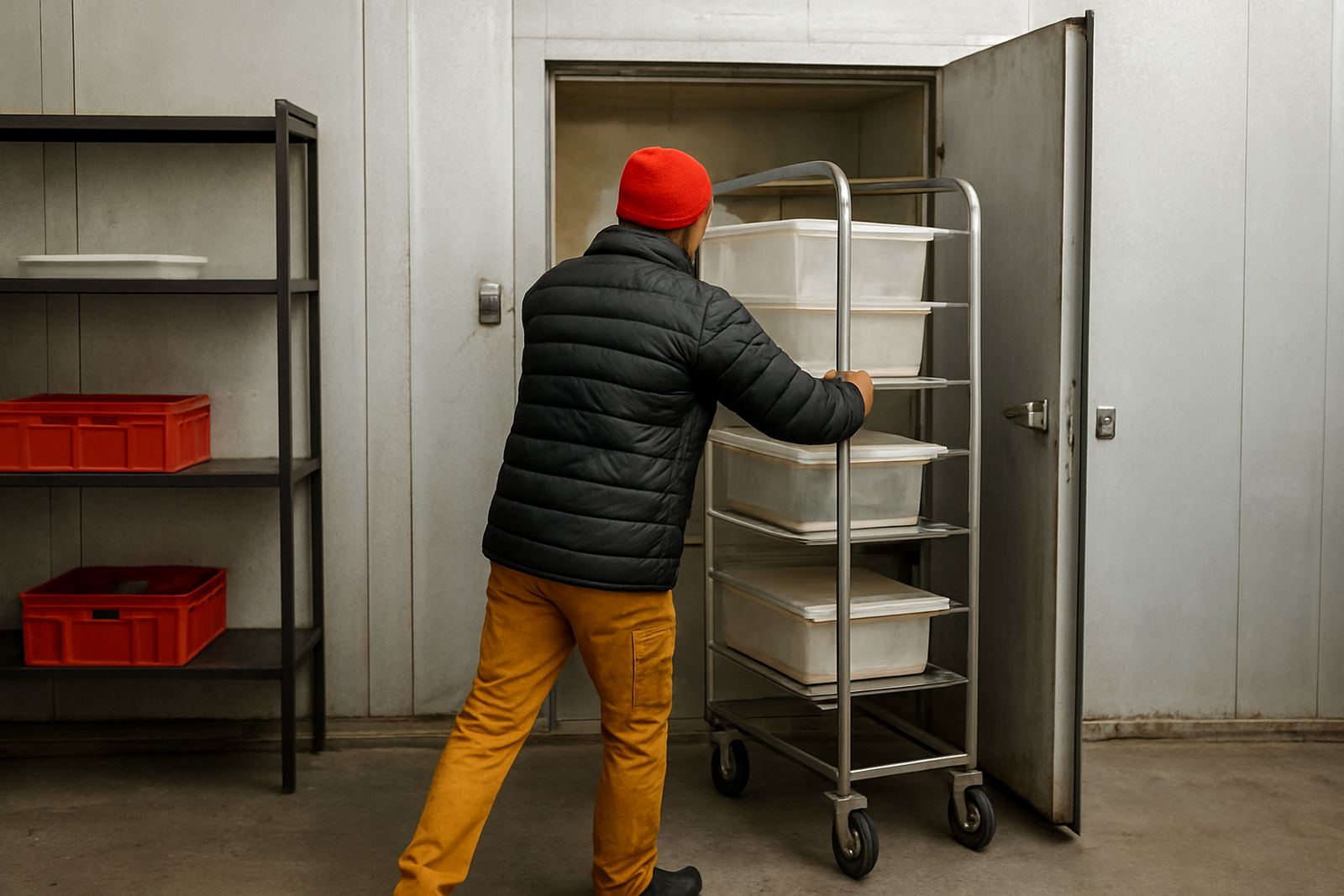
Commercial kitchens in coastal areas also need to think about heat and humidity. Stainless surfaces, sealed storage and reliable refrigeration matter more when the air is warm and damp. In Glen Anil or Ballito, cold rooms and upright fridges need good ventilation, regular gasket checks and clean condenser coils. If equipment is already running hard, any extra strain during a surge can lead to spoilage or downtime.
- Check fridge and freezer capacity against peak stock levels
- Make sure ovens, hotplates and fryers can handle rush volume
- Use storage that keeps ingredients close to the point of use
- Choose stainless fabrication that suits heavy daily cleaning
Plan for load-shedding, heat and other local disruptions
Peak service in South Africa rarely happens in perfect conditions. Load-shedding, voltage swings, summer storms and municipal water interruptions can all land on the same day as your busiest trade. A prepared kitchen does not wait for the power to fail before it starts thinking about backup.
Venues should know which equipment must stay live, which items can be switched off first, and how long refrigeration will hold temperature if the power drops. Staff should also know the backup plan for lighting, gas usage, and emergency food handling. If your extractor or cooling system is critical, it must be included in the planning, not treated as an afterthought. This is especially important for hospitals and canteens where service cannot simply pause.
Train staff before the rush arrives
A good layout and the right equipment still need a team that knows the system. Peak periods expose weak handovers, unclear station roles and poor stock discipline. Before a busy season, run the kitchen as if service has already started. That means pre-shift checks, station set-up, order flow, and a clear plan for who steps in when one area falls behind.
Training does not need to be formal every time, but it must be practical. Staff should know how to use equipment correctly, where to store items during service, and who to call when a fridge is warming up or a line is not holding temperature. In a fast shift, small mistakes become expensive quickly.
- Assign one person to monitor stock levels during service
- Show new staff the quickest route between stations
- Teach basic cleaning and shut-down routines
- Make sure everyone knows the breakdown reporting process
Keep maintenance ahead of failure
The worst time to discover a faulty thermostat is during the lunch rush. Preventive maintenance is what keeps peak planning practical. Door seals, burners, filters, fans, hinges and temperature controls all wear down. In high-use kitchens, a small fault can cause a chain reaction: slower service, product loss, unhappy guests and overtime for staff.
Set a maintenance rhythm before the busy season starts. Check refrigeration temperatures, test extractor performance, inspect stainless joints, and confirm that installation fixings are secure. For sites in Durban North, Glen Anil and the wider coast, salty air can speed up corrosion if equipment is not cared for properly. A short maintenance visit can prevent a full-day disruption later.
A Durban example: from weekday trade to weekend pressure
A family restaurant in Durban North may run comfortably from Monday to Thursday, then face a full booking sheet on Friday night and a steady flow of functions over the weekend. The owners may think they need more chefs, but the real issue could be prep storage, poor pass layout and no spare refrigeration space for prepped sauces and desserts.
By reviewing the service flow, relocating chilled storage nearer to prep, and setting up a better equipment schedule, the kitchen can move faster without adding unnecessary staff. The same approach works for hotels, school kitchens and care facilities across KwaZulu-Natal. Peak planning is not about buying everything. It is about making the right parts of the kitchen work together when it matters most.
If your venue is preparing for holiday trade, a new menu, or a series of function bookings, it helps to get the kitchen checked before the rush arrives. A practical site survey, a clear equipment specification and proper installation planning can save a great deal of trouble later.