
Why freezer room safety matters in busy kitchens
A freezer room is one of the hardest working areas in a restaurant, hospital or canteen. Staff move fast, doors open and close often, stock gets rotated through the day, and one wet floor can turn into a serious accident. In Durban, where humidity is high and doors are used constantly, ice build-up and condensation are common if the room is not managed properly.
The first safety rule is simple: treat the freezer room like a controlled work area, not a storeroom with a colder temperature. That means clear access, good lighting, proper shelving and a routine for handling stock. It also means making sure staff know how long they can stay inside before cold exposure becomes a problem, especially during long picking runs or when a delivery is being put away.
A small change can make a big difference. If the room is cluttered or the door is blocked by crates, people take shortcuts. That is when injuries, broken stock and lost stock starts. For facilities in Glen Anil, Pinetown or Pietermaritzburg, where deliveries may arrive in peak traffic times, a clean system matters just as much as the refrigeration itself.
Managing cold exposure for staff on the floor
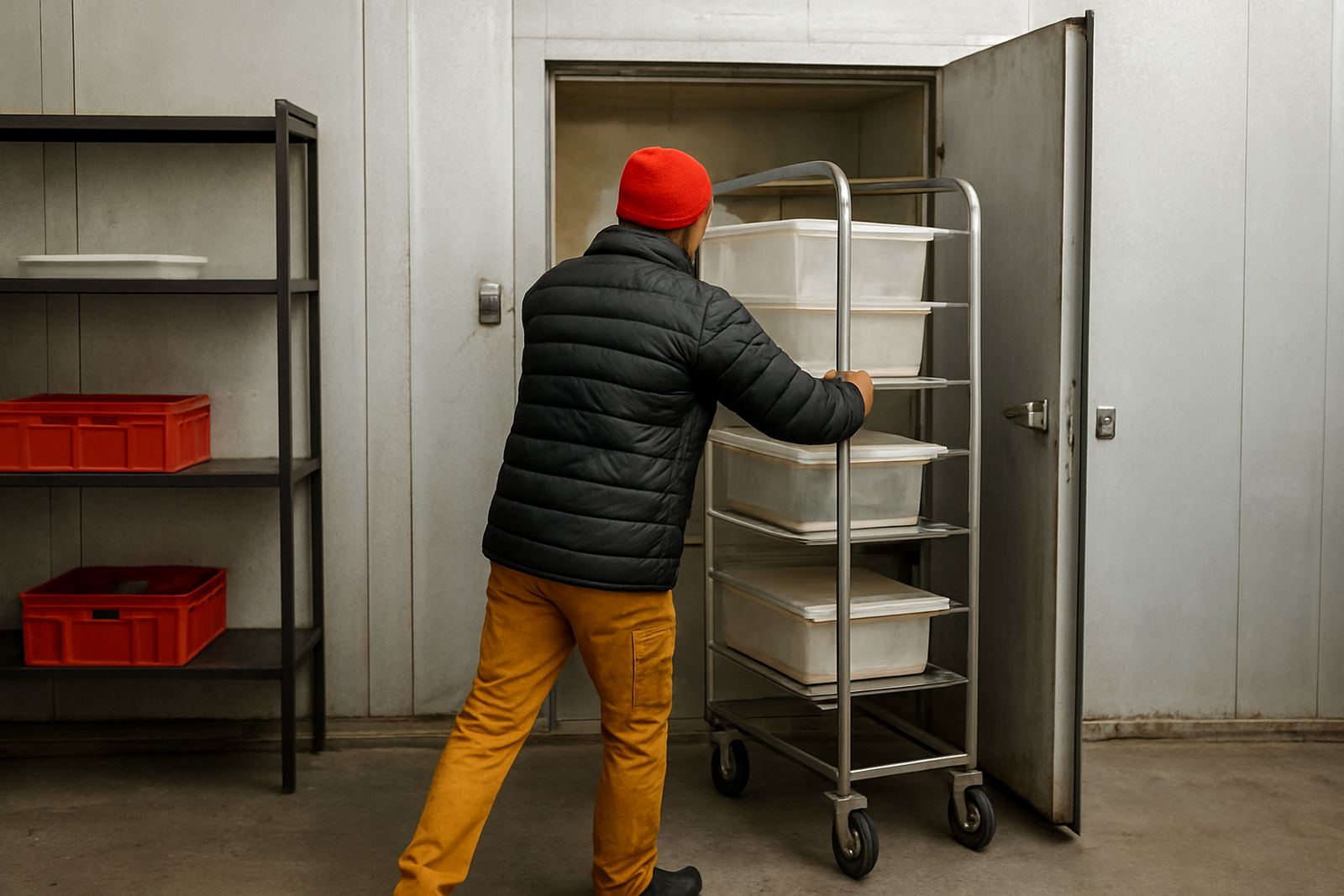
Cold exposure affects concentration before it affects comfort. Hands lose grip strength, skin stiffens, and staff can rush the task just to get out. That is when boxes are dropped or feet slip on frost and moisture. Freezer rooms should be used in short, planned visits rather than long, open-ended sorting sessions.
Staff entering the room should have suitable clothing for the task, including insulated gloves and footwear with good grip. Heavy jackets may feel useful, but if they restrict movement they can create a hazard. For repeated visits, it helps to rotate staff so one person is not standing in cold conditions for too long.
- Keep visits short and planned, especially during stock checks.
- Use gloves that allow grip on cartons and crate handles.
- Train staff to report numb fingers, dizziness or unusual shivering.
- Do not let one person stay inside while others work outside the door.
In a hospital kitchen, where frozen goods may be checked several times a day, this kind of routine reduces fatigue and mistakes. It also keeps the work pace steadier, which matters during load-shedding backup periods when access and timing may be under pressure.
Access control, door safety and emergency release
Every freezer room should open easily from the inside and be fitted with a proper emergency release. Staff should never feel trapped, even if someone outside forgets to listen or a door closer starts giving trouble. It sounds basic, but these are the faults that get ignored until they cause a problem.
Keep the area in front of the door clear at all times. No crates, no mop buckets, no spare packaging and no stock stacked so close that someone has to squeeze past. The floor at the threshold should also be checked for water, frost and damaged seals, because that is where slips often start.
Good access control also helps with stock security and temperature control. Limit entry to the staff who actually need it, and make sure the room is not being used as a shortcut between prep areas. If the freezer room opens straight into a hot kitchen, fit a proper barrier or air curtain where possible so the cold air is not lost every time the door opens.
- Test the door release regularly from inside the room.
- Keep the threshold dry and free of broken packaging.
- Check door seals for gaps, tears and ice build-up.
- Fit clear signage so staff know where to stand when loading.
Stock handling that prevents breakage and spoilage
Frozen stock is often damaged by handling, not by temperature alone. Boxes get crushed, cartons are left open, and items are stacked too tightly against evaporator units or the back wall. That creates poor airflow and uneven freezing, which can affect quality long before the product is visibly spoiled.
Use shelving that keeps stock off the floor and allows air circulation around each row. Heavy items should go lower down and lighter, high-turnover items should be easier to reach. In a canteen serving large volumes at breakfast and lunch, this reduces bending, lifting and time spent searching for one crate at the back. It also helps with FIFO, which is still the best method for keeping stock under control.
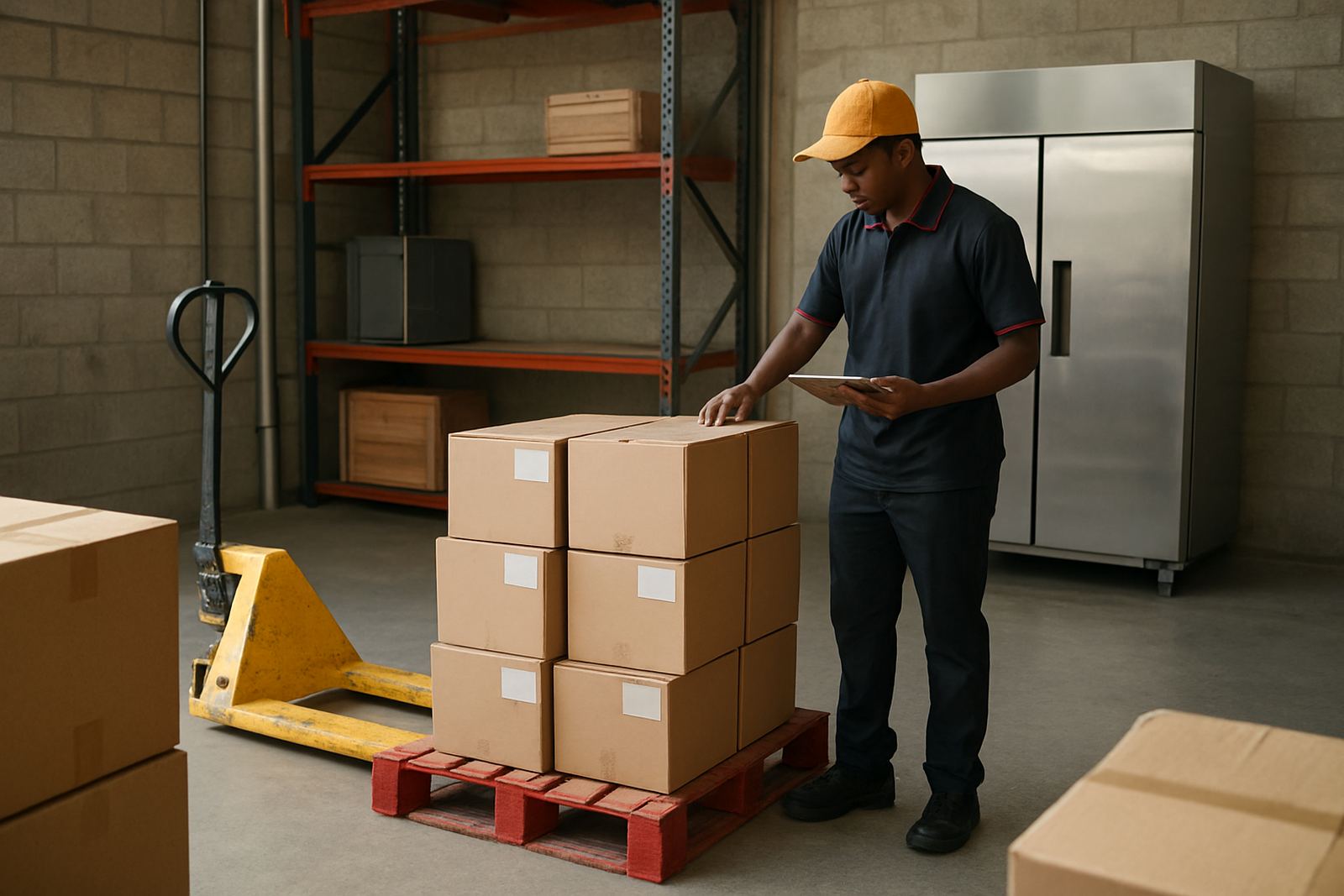
Do not throw boxes into the room and sort them later. A freezer room works best when deliveries are broken down properly outside the room, then placed in order inside. That avoids broken packaging, damaged labels and ice forming around loose items. If staff need to wear gloves, make sure the labels are still readable and the shelving is set at a practical height, not too high for safe lifting.
What Durban conditions mean for freezer room maintenance
KwaZulu-Natal kitchens face conditions that many inland sites do not. Coastal humidity increases condensation, which means more frost around doors, more slippery surfaces and more strain on gaskets and hinges. During summer, a door left open for a few minutes can pull warm moist air straight into the room and create a layer of ice near the entrance.
That is why preventive maintenance matters. Door seals, hinges, drain lines, fans and temperature controls should be checked before small problems become breakdowns. If the room is running harder than usual, or if staff notice frost where there should not be any, the system may be losing efficiency and using more power. During load-shedding, that extra strain can become a real risk if backup arrangements are not planned.
For Durban North and Umhlanga sites close to the coast, the service team often sees corrosion on fittings and faster wear on moving parts. In Pinetown or Ballito, the issue may be heavier traffic through the room and more frequent door use. The solution is the same: regular inspection, prompt repairs, and a room that is kept in working order instead of waiting for a full failure.
A practical safety checklist for kitchen managers
Freezer room safety works best when it is part of the daily routine, not a once-a-month reminder. Kitchen managers should build a short checklist into opening and closing duties so the room is checked the same way every day. That keeps standards consistent, even when staffing changes or the kitchen is under pressure.
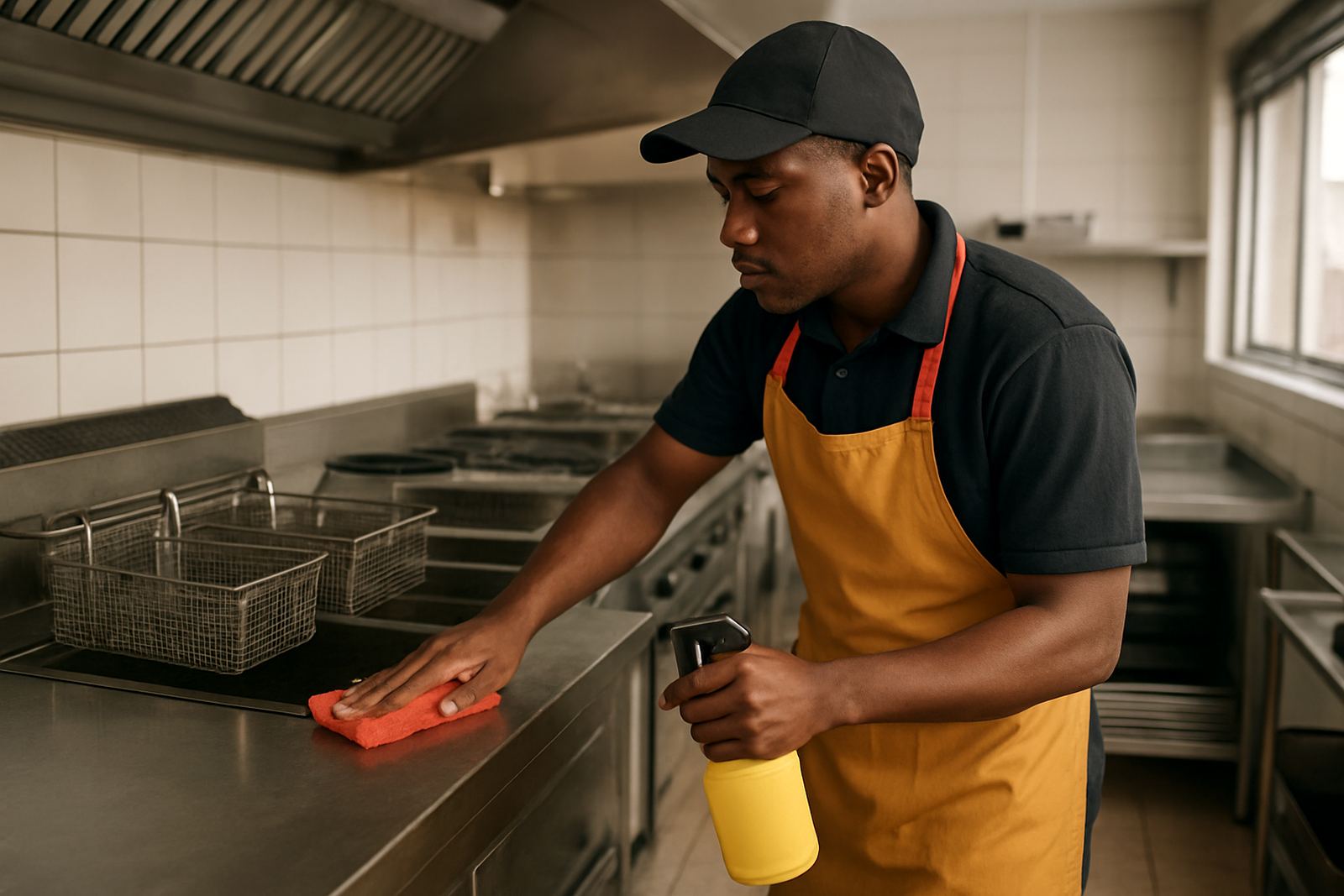
- Check the floor for water, ice and loose packaging.
- Confirm the door closes fully and seals properly.
- Make sure lights are working and labels are easy to read.
- Look for overloaded shelves or blocked airflow around stock.
- Verify that staff know the emergency release and reporting line.
If the room is used by more than one shift, handover notes should mention any faults, stock movement issues or temperature concerns. A simple note about a sticking door or a damaged seal can prevent a costly loss overnight. For sites in Pietermaritzburg or Glen Anil that receive early morning deliveries, this kind of handover is often the difference between order and chaos.
Planning freezer rooms that are safe from day one
Safety starts at the layout stage. A freezer room that is too small, badly positioned or poorly specified will create problems for years. It needs enough turning space, sensible shelving, safe door placement and a path that does not force staff to cross hot prep zones with frozen goods. If extractor planning, stainless finishes and equipment layout are handled together, the full kitchen works better.
At KZN Catering Equipment in Glen Anil, freezer room planning is usually considered alongside access, stock flow and maintenance needs, not just the size of the room. That approach suits hospitals, restaurants and canteens where the kitchen has to keep moving without avoidable risk. A well planned freezer room saves time, keeps staff safer and protects stock when conditions are busy or power supply is uncertain.
For new projects or upgrades, it helps to look at the daily routine first: who enters, what stock moves, how often the door opens, and where the wet and cold surfaces will be. Get those details right and the room becomes easier to run, easier to clean and much safer for everyone who uses it.