When the pass starts slowing down service
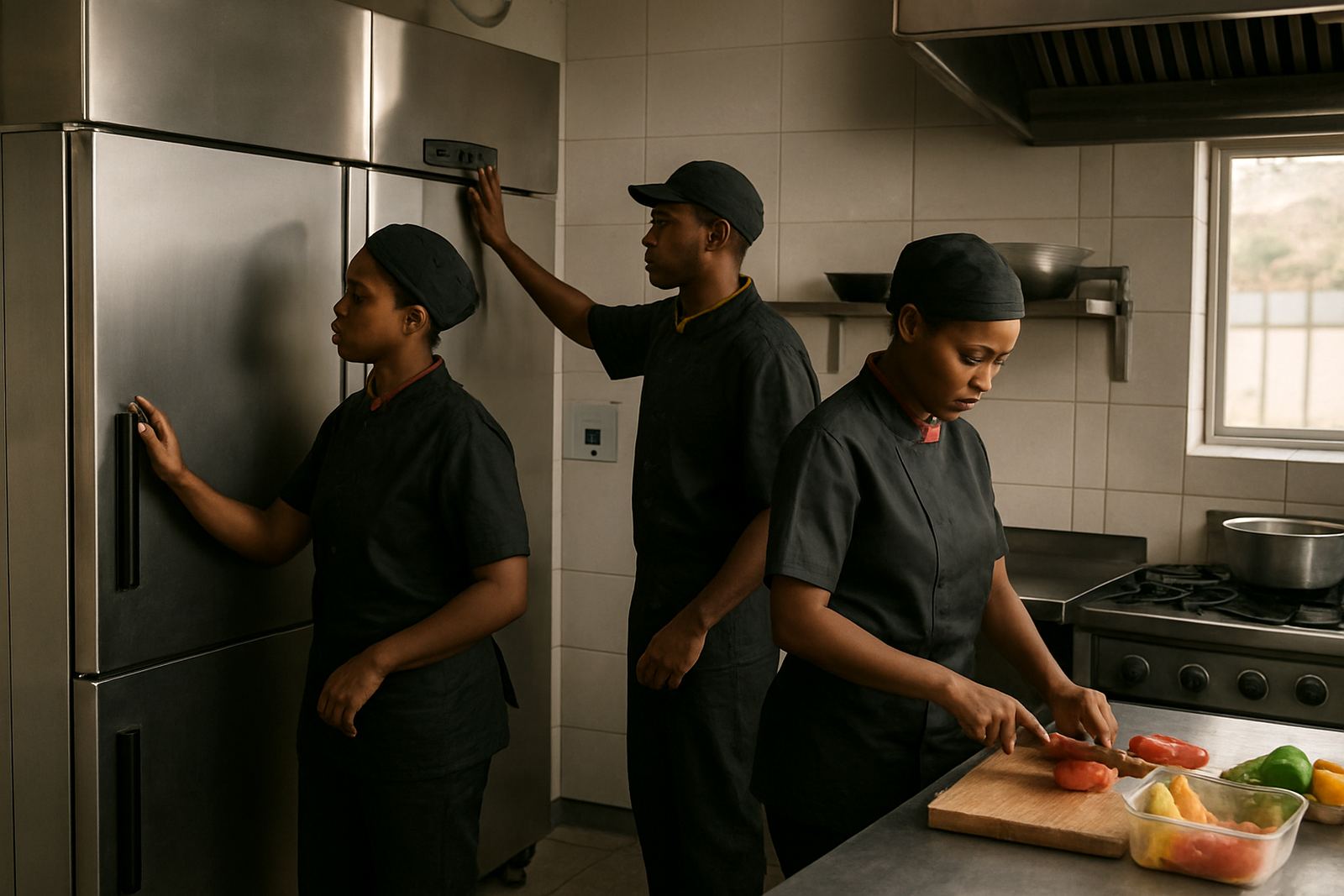
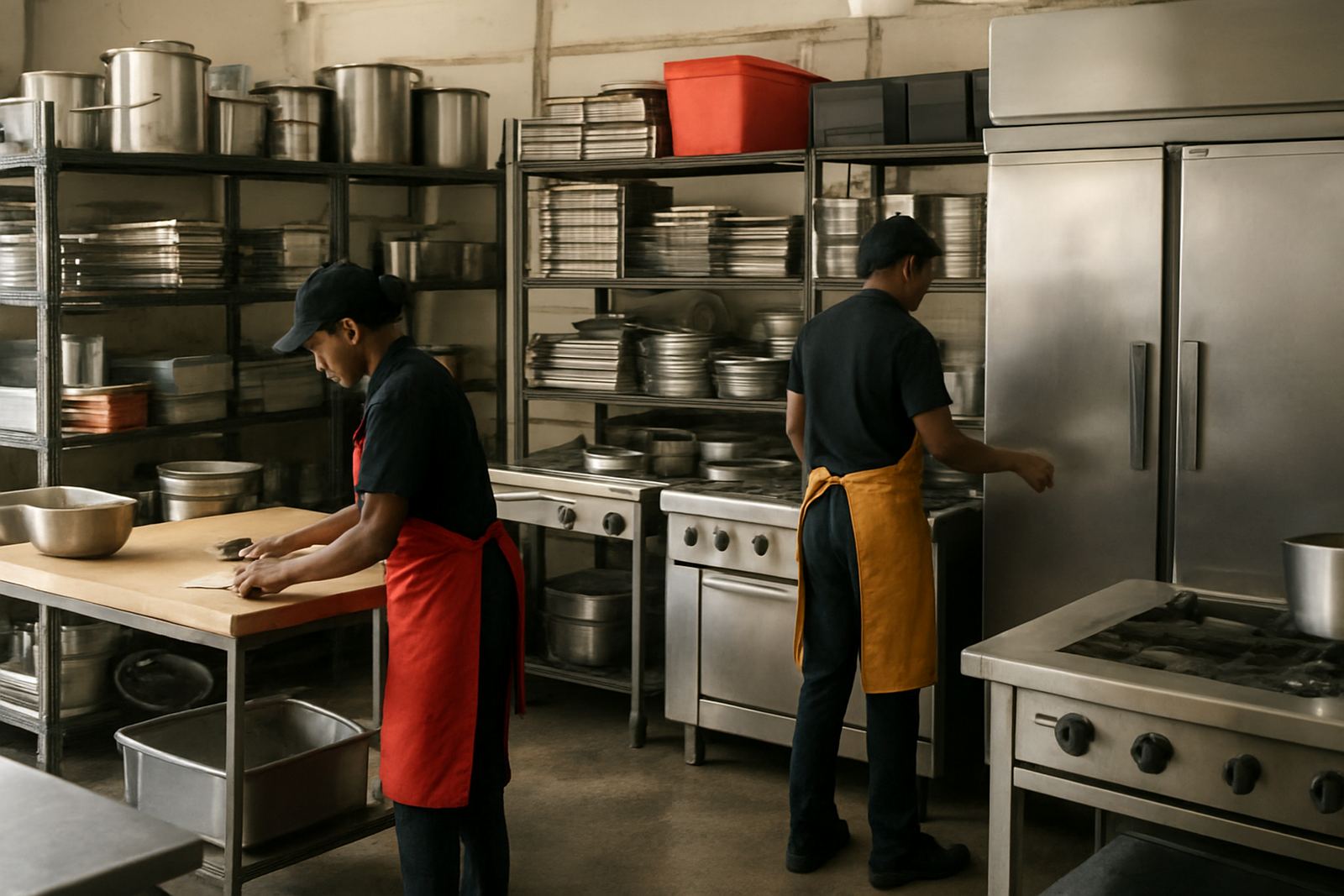
The clearest expansion sign is slower service at the exact time the kitchen should be moving fastest. If tickets are backing up, plated food is waiting under heat lamps too long, or staff are crossing paths to reach basic equipment, the original layout is no longer doing its job. In Durban kitchens, that often becomes obvious during lunch rushes, Friday evenings, or functions where the dining room fills faster than the line can cope.
What begins as a busy shift can turn into a daily bottleneck. The fryers may be too far from the prep table, the cold section may be cramped beside the hot line, or staff may be sharing one narrow aisle. When that happens, speed drops, wastage rises, and the whole operation feels under pressure.
- Staff keep waiting for access to the same prep surface
- Hot food leaves the line late even when the cooks are working flat out
- Servers ask for items that should already be within reach
- The floor plan forces people to turn, backtrack, or squeeze past each other
Storage that is full before the week has started
If dry goods, chilled stock and cleaning items are all fighting for the same corners, the kitchen has likely outgrown its storage plan. Many sites in Glen Anil, Pinetown and Pietermaritzburg start with enough shelving for a smaller menu, then expand their offering without adding the space to hold it properly. That creates clutter, stock loss and poor stock rotation.
Overfilled fridges, boxes on the floor and containers stacked where they should not be are not small annoyances. They are signs that the storage design no longer matches the menu, delivery cycle or daily turnover. Coastal humidity around Durban and Umhlanga also means packaging and ingredients need proper ventilation and dry storage discipline, or they spoil sooner than expected.
- New stock arrives before last week’s stock has moved
- Fridges are packed so tightly air cannot circulate properly
- Boxes end up in corridors or against fire exits
- Cleaning chemicals and food items are stored too close together
Equipment that is working harder than it should
Expansion is often revealed by the equipment itself. An oven that stays on all day, a fridge that struggles in load-shedding conditions, or a prep unit that runs constantly because it is too small for the volume all point to a kitchen that has grown beyond its original specification. The more the team depends on a machine to do more than it was meant to do, the more breakdowns you can expect.
In hospitality kitchens, hospitals and canteens, equipment size should match the number of meals produced, not the memory of what once worked. A single food-prep station may be fine for a start-up, but once the menu broadens or service hours increase, the kitchen needs better capacity and better planning around power, heat and airflow.
Common pressure points include:
- Refrigeration units cycling too often or icing up repeatedly
- Cooking lines that cannot handle peak demand without delays
- Prep equipment sitting idle because there is no safe, practical place to use it
- Staff having to split one task across several spots because one machine is no longer enough
A kitchen that no longer fits the menu
Menu growth is one of the quietest signs of expansion. A site may begin with a simple offer, then add breakfast, takeaway, catering trays, diabetic meals, or bulk service. That extra variety changes the workflow. More items mean more pans, more chilled holding, more prep, and more room to keep ingredients separated. If the kitchen still looks like it was designed for a smaller, simpler menu, it will start holding the business back.
This is where layout matters as much as equipment. The kitchen may technically fit everything, but if the sequence of movement is wrong, the team still loses time. Good design keeps receiving, storage, prep, cooking and dispatch in the right order so staff do not waste steps all shift long.
- Special meals or dietary orders are getting mixed into general prep areas
- More cooks are sharing the same work zone than the room can handle
- The menu has changed but the extractor and ventilation have not
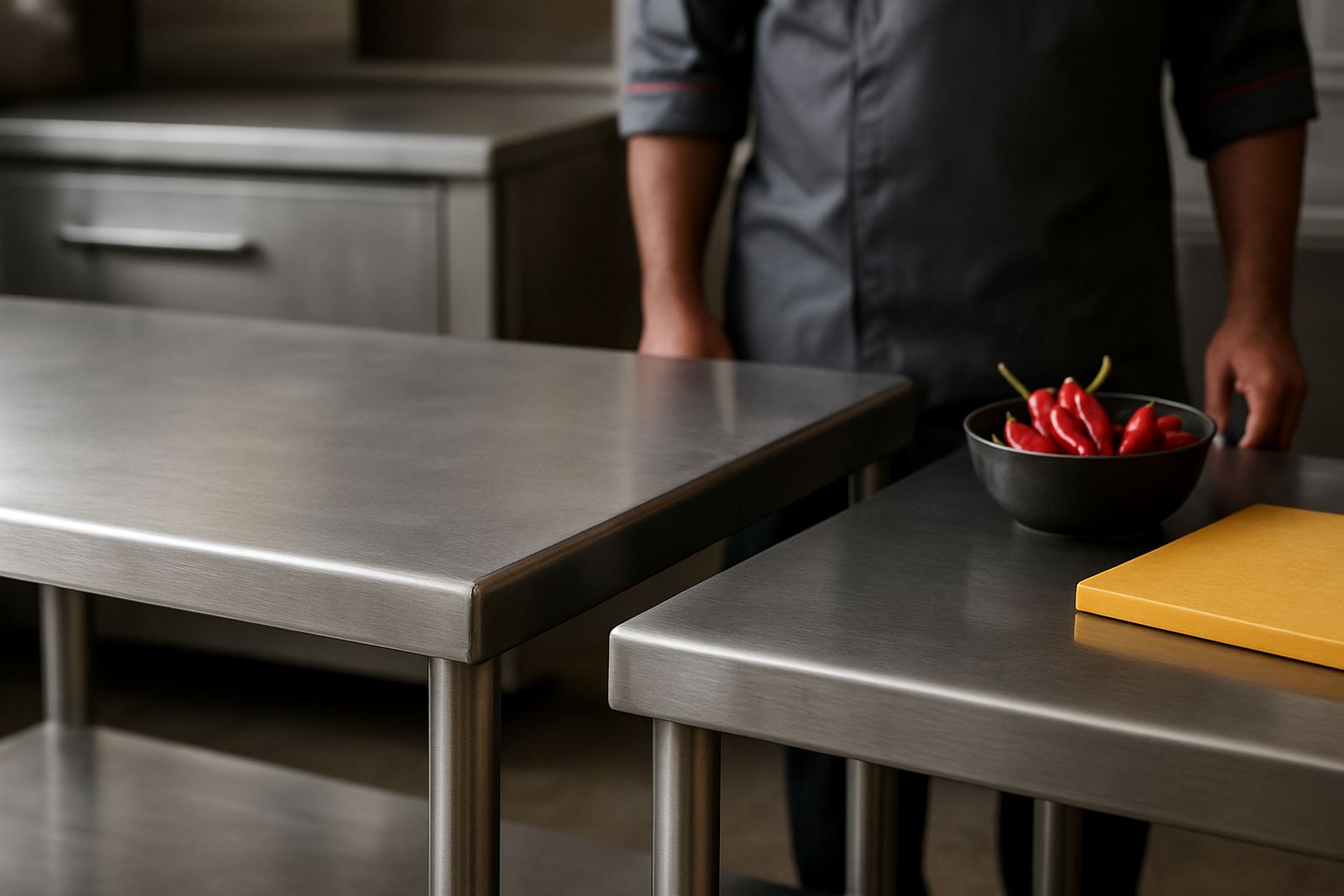
- New products are being prepared on temporary tables because there is no fixed station
Signs that maintenance has become too frequent
When breakdown calls become part of the routine, the kitchen has likely reached the point where repairs alone are not enough. A good service programme can keep equipment going, but if faults keep repeating, there may be a deeper issue with the original installation, power supply, ventilation or workload. In some Durban sites, especially where stockrooms are tight and kitchens run hot, equipment failure is made worse by poor spacing and limited airflow.
Preventive maintenance is still important. It keeps minor issues from turning into full shutdowns. But if a refrigerator door seal keeps failing, a cooker keeps tripping, or a worktop is constantly being moved to make space, it is worth asking whether the kitchen needs a proper expansion review instead of another short-term repair.
- Service technicians keep fixing the same fault every few weeks
- Staff have built their own workarounds to cope with failing equipment
- Parts are wearing out faster than expected because volumes have increased
- The kitchen cannot stop for maintenance because there is no spare capacity
What expansion planning should look at first
Before adding more equipment, it helps to step back and test the whole operation. A proper review looks at daily meal counts, peak times, delivery space, staff numbers, extractor needs, cleaning routes and access for installation. In many cases the answer is not simply more machines, but a better layout that makes the existing area work harder.
For a Durban hospital kitchen or a Ballito canteen, the first questions are practical ones. Can ingredients move in one direction without crossing back over dirty waste routes? Is there enough clear floor space for safe movement? Can the electrical load take the next stage of equipment? Can the site handle extractor adjustments and stainless fabrication without disrupting the building? Those checks matter because a poor expansion is often more expensive than the original problem.
If the kitchen is showing three or more of these signs, it is time to plan properly:
- Service delays are happening most days, not just during rare peaks
- Storage is full before deliveries arrive
- Equipment breakdowns are becoming routine
- Staff movement feels cramped and unsafe
- The menu or meal volume has grown since the original setup
Why a local site review beats guesswork
A kitchen in Glen Anil does not face the same pressures as one in Pinetown, and a coastal site in Umhlanga may need different refrigeration care than an inland operation. That is why a site survey matters. It shows what can be repaired, what can be rearranged, and what must be replaced before the next busy season or tender period.
At KZN Catering Equipment, we work with commercial kitchens across Durban and KwaZulu-Natal, from equipment specification and extractor planning through to installation, commissioning and training. For kitchens that have outgrown their original setup, the best results come from looking at the whole picture, not only the part that has failed first.
Sometimes expansion means more room. Sometimes it means better flow. Often it means both.