School canteen brief in Glenwood, Durban
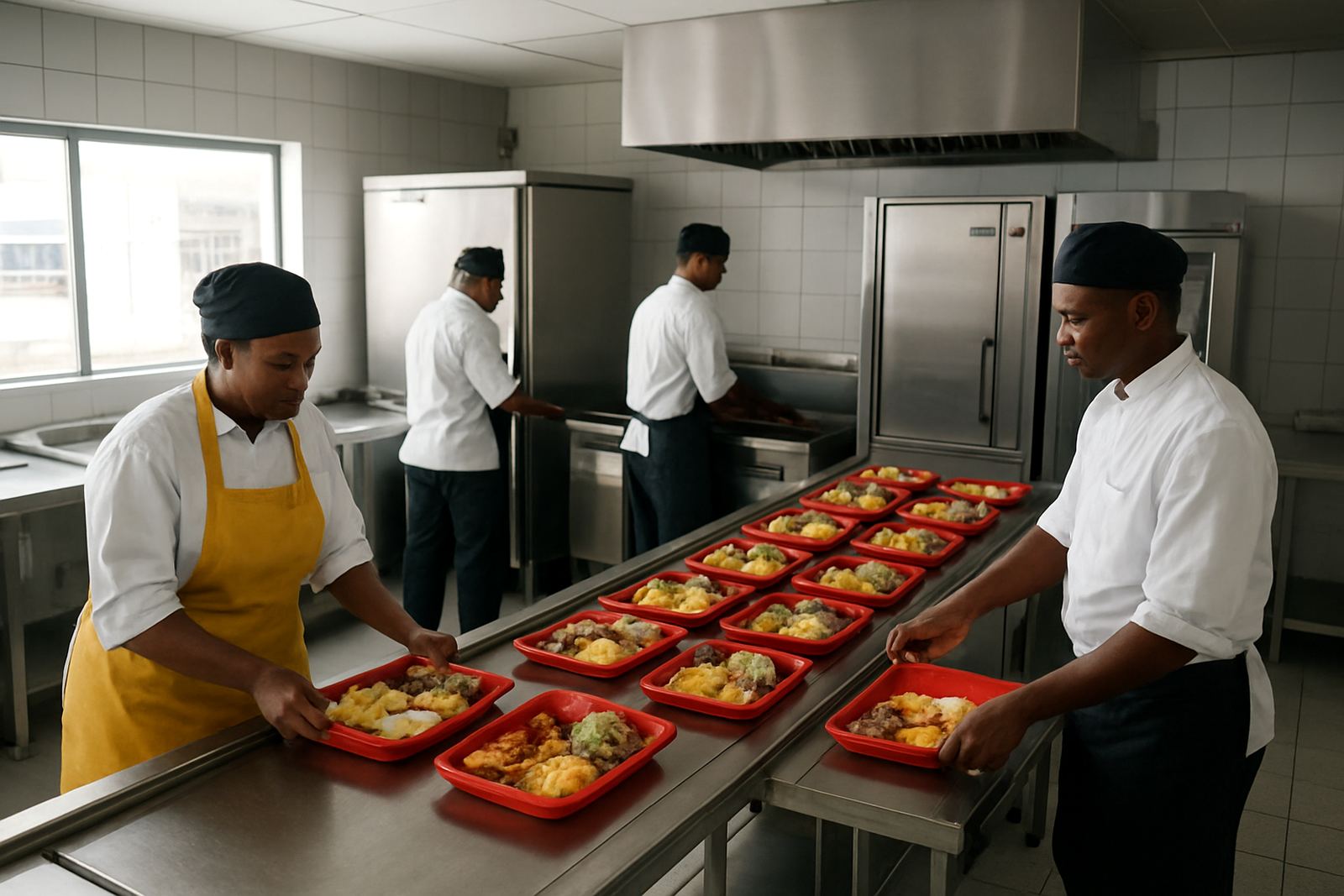
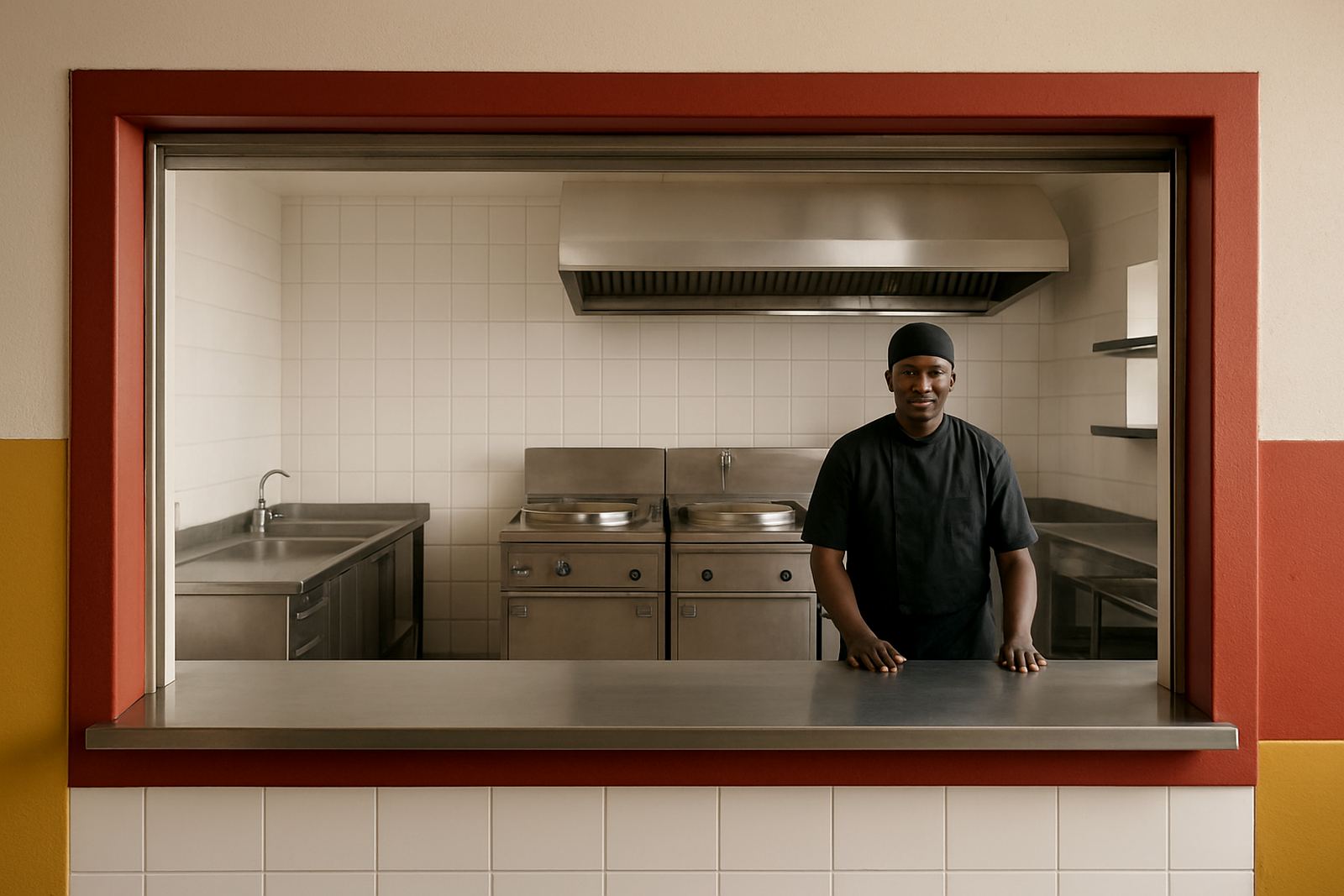
The client was a private school in Glenwood, Durban, working with a tight kitchen footprint and a busy break-time service pattern. The canteen had to feed learners efficiently without crowding the serving point or putting staff in the way of one another. It also had to suit a school environment where hygiene, speed and simple supervision matter every day.
The brief came down to three practical points: prepare bulk meals, keep the service counter organised, and allow for a quick clean-down before the next shift. The school also wanted equipment that could cope with regular use, coastal humidity and load-shedding planning, because school kitchens cannot stop for long when the bells go. We treated the room as a working service area, not just a food prep room.
- Compact kitchen for a constrained Glenwood footprint
- Bulk cooking for soup, starches, stews and hot meals
- Clear serving path for younger learners and staff
- Easy wash-down surfaces and simple day-to-day cleaning
Space limits and operating pressures we worked around
The biggest limitation was floor space. The room had to hold cooking, prep, cold storage and plating without turning into a bottleneck during peak break times. Access was also limited, so the layout had to allow equipment to move in cleanly and be placed with minimal disruption to the school day. In a school canteen, one bad corner can slow the whole line down.
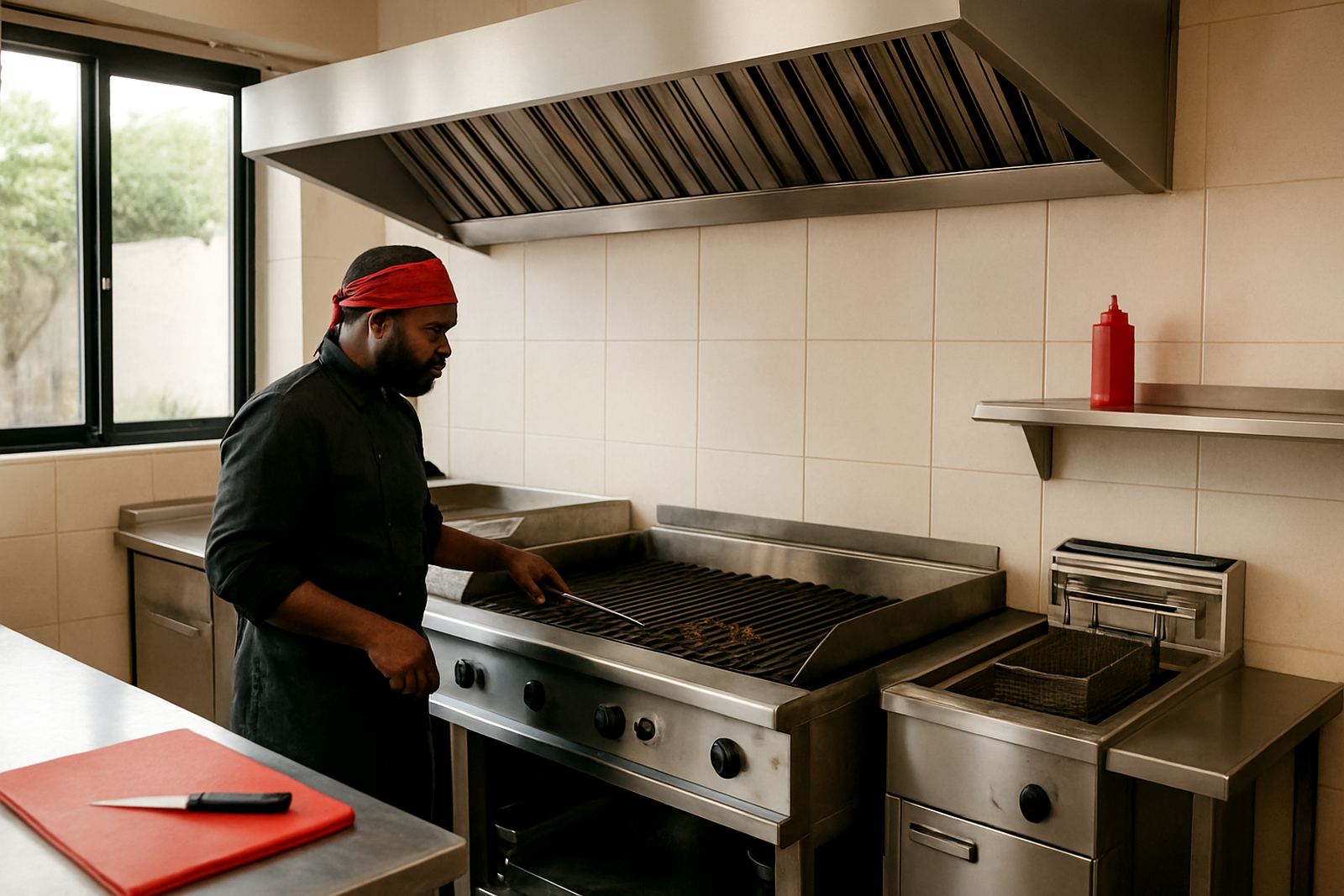
We also had to account for the way the team works. Staff needed safe walking space between hot equipment and prep benches, plus room to store dry stock off the floor. The extractor route had to be planned carefully, and we had to keep cleaning access open around the main equipment runs. Glenwood schools often deal with older buildings and mixed services, so we checked practical points on power points, drainage and ventilation before final placement.
- Hot line separated from cold prep and dry storage
- Service counter positioned for controlled learner flow
- Ventilation planned to suit heavy daily cooking
- Layout set out to reduce cross-traffic in a narrow room
Equipment and fabrication supplied for the canteen
We supplied the cooking, prep, storage and refrigeration package to suit a compact school kitchen. That included bulk cooking equipment for high-volume meal production, stainless prep surfaces, undercounter cold holding, and purpose-made stainless fabrication where the room needed custom fitments. The finish had to be practical and easy to wipe down, with no awkward corners collecting crumbs or grease.
Our team also handled the extractor planning so the hot line could operate without building up excess heat and steam. For a school, that makes a real difference to staff comfort and to how clean the room stays through the day. We used equipment sizes that matched the portion volumes, not oversized units that would waste energy or crowd the room.
- Bulk cooking equipment sized for school meal volumes
- Stainless prep benches and wall returns for wash-down cleaning
- Refrigeration positioned for safe stock rotation
- Custom stainless pieces to close gaps and protect wall edges
Installation, commissioning and staff handover
Siyabonga Mkhize managed the project flow with Jared Pillay on site installation, while Priya Naidoo finalised the kitchen layout and equipment specification. Once the equipment was in, we levelled, connected and tested each item, then checked clearances at the service points and prep runs. We also verified that staff could move safely between the hot section and the pass without squeezing past each other.
Commissioning included practical checks on temperature recovery, extractor pull, door clearances and cleaning access. We then spent time with the kitchen team on daily operation, shut-down steps and basic care, including what to do during power interruptions. Schools need simple routines that hold up under pressure, not complicated instructions that get ignored by Friday afternoon. The handover was direct and hands-on, so the staff knew exactly how to use the space from day one.
- On-site installation and equipment set-out
- Commissioning and operational checks
- Staff training on daily use and cleaning routines
- Shutdown and restart guidance for power interruptions
Timeline and practical result after handover
The project ran over 4 weeks from site survey to final handover. Week one covered the site measure and layout sign-off. Week two was procurement and fabrication. Week three focused on delivery, positioning and installation, and the final week was commissioning, training and snag close-out. That schedule worked well because it kept the school informed and reduced the time equipment was off site.
The result was a more organised canteen kitchen with safer serving movement and less wasted time between prep and service. Staff gained better control over cooking volume, while the clean-down process became quicker because the fittings were planned around the actual workflow. The room now handles busy service periods without the same bottlenecks, and the client has a setup that is easier to manage on normal school budgets.
For a compact Glenwood canteen, the biggest win was not just more equipment. It was a clearer working pattern, better hygiene control and a layout that suits everyday use. That matters in schools where the same team may be cooking, serving and cleaning within the same hour.
What we would do again on a similar school project
We would take the same approach again for another school canteen in Durban or elsewhere in KwaZulu-Natal. Start with the actual meal service pattern, measure the rush periods, and build the layout around the people moving through the room. In small education kitchens, the best result comes from good spacing and sensible equipment choice, not from filling every wall.
We would also keep the same focus on easy maintenance. Stainless details, clear service paths and sensible extractor planning all pay back over time, especially in a humid coastal area where equipment gets worked hard. If a school wants less downtime and fewer cleaning headaches, this kind of set-up is worth doing properly from the start.
KZN Catering Equipment continues to design, supply and support school kitchens from Glen Anil and across Durban, with backup for maintenance, breakdown repairs and future upgrades when the canteen grows.
Key facts
| Project | Glenwood School canteen |
|---|---|
| Location | Glenwood, Durban |
| Timeline | 4 weeks from survey to handover |
| Scope | Kitchen layout, supply, install and commissioning |
| Key equipment | Bulk cooking, prep benches, refrigeration, extractor planning |
| Support | Staff training, preventive maintenance and breakdown repairs |