
Start With the Meal Service Pattern
Before you choose equipment, map the actual meal cycle. Hospitals and care facilities rarely work on a simple breakfast, lunch and supper pattern alone. You may have tea rounds, ward snacks, special diets, late admissions and separate staff meals. A kitchen in Durban also has to cope with heat, humidity and power interruptions, so timing matters as much as capacity.
List every meal period and the number of portions for each one. Then note when trays leave the kitchen, how far they travel and how long they sit before delivery. That tells you how much hot holding, chilled holding and reheating capacity you need. If the timing is off, food arrives lukewarm or overcooked and the whole service suffers.
Set the Workflow Before You Specify Equipment
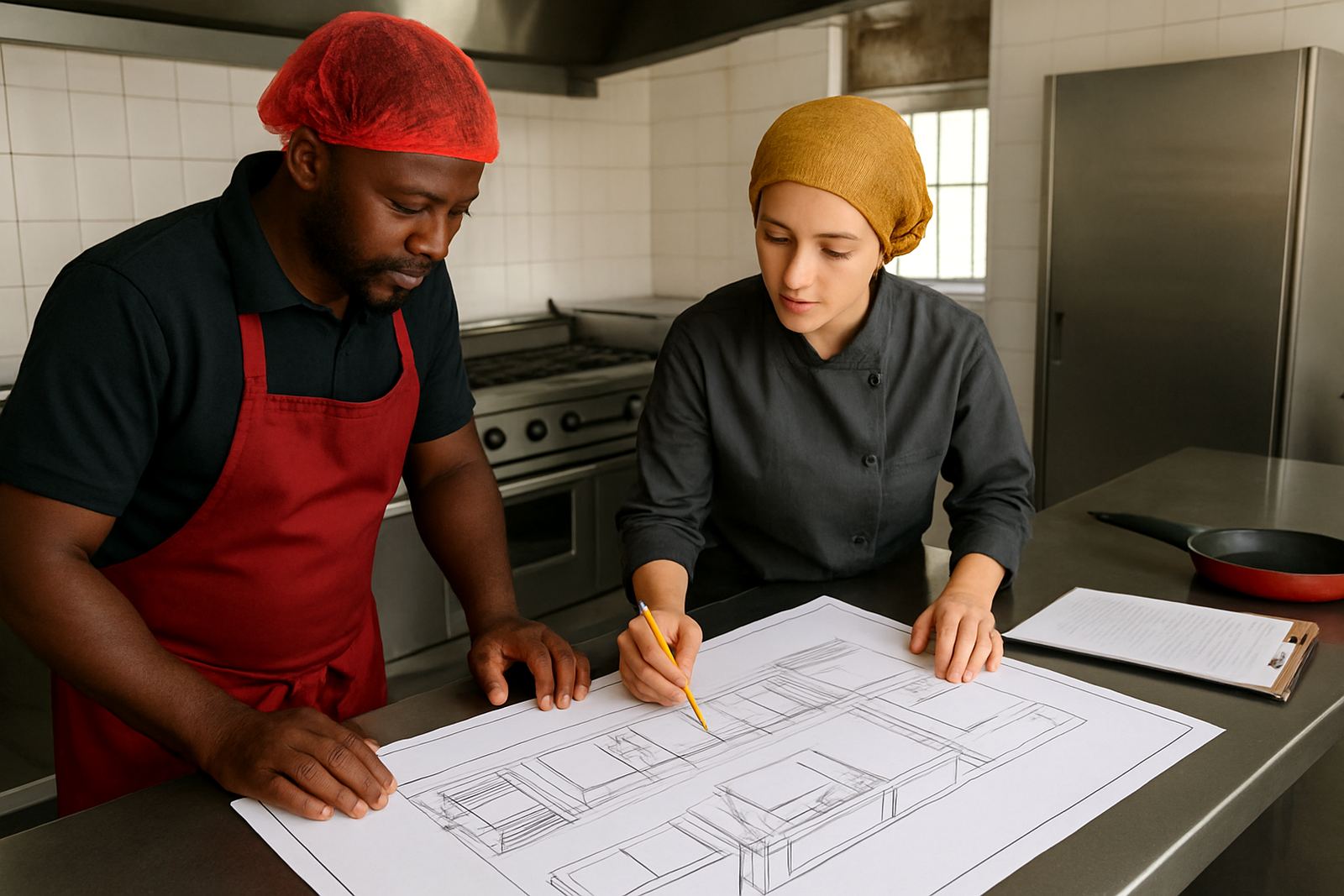
A hospital kitchen should flow in one direction wherever possible: receiving, dry store, cold store, prep, cooking, plating or tray assembly, holding and dispatch. Cross traffic between raw and cooked food creates delays and hygiene problems. Good layouts also allow for cleaning, stock counts and maintenance without shutting the whole room down.
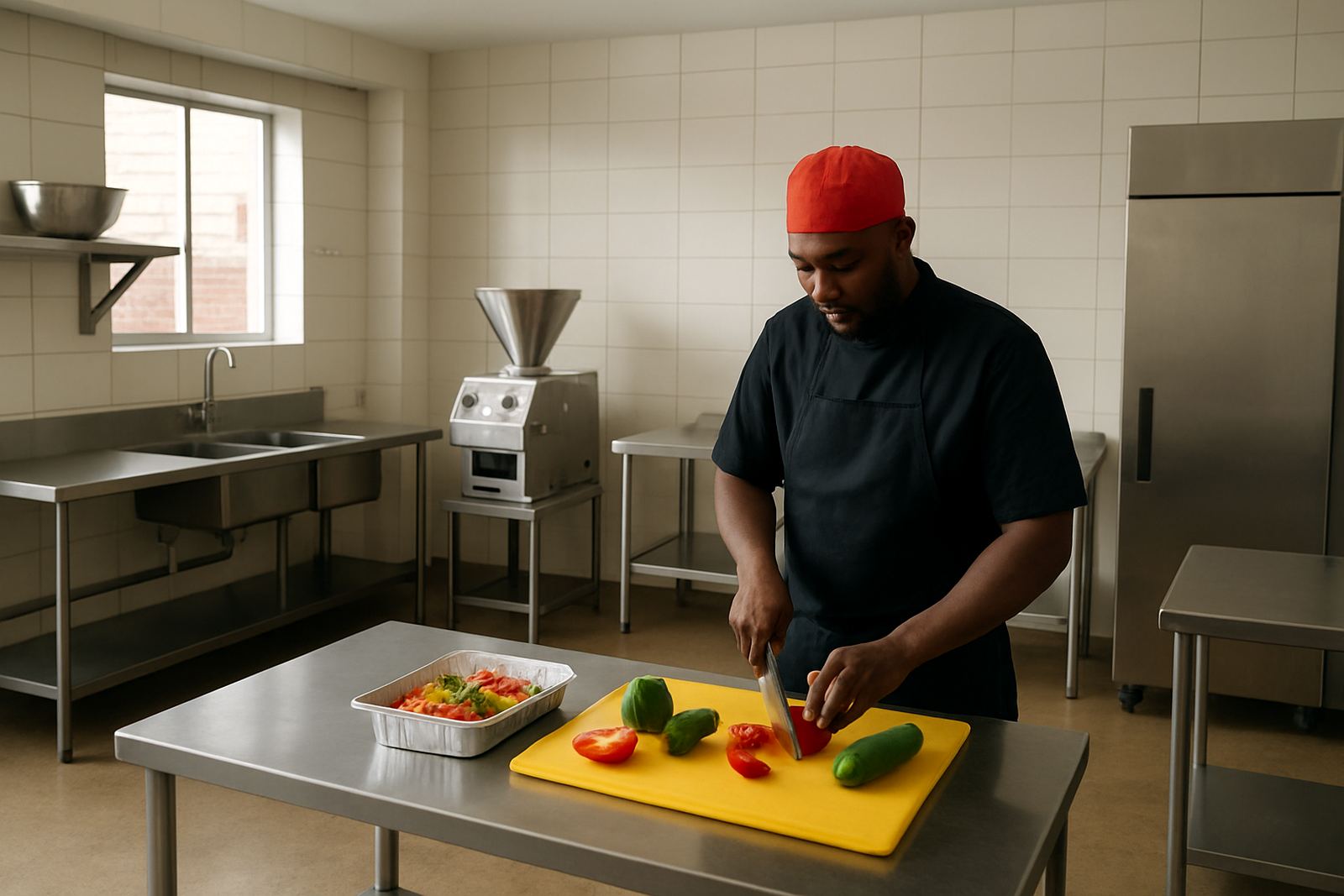
- Separate raw meat, vegetables and cooked food areas.
- Keep waste movement away from clean tray assembly.
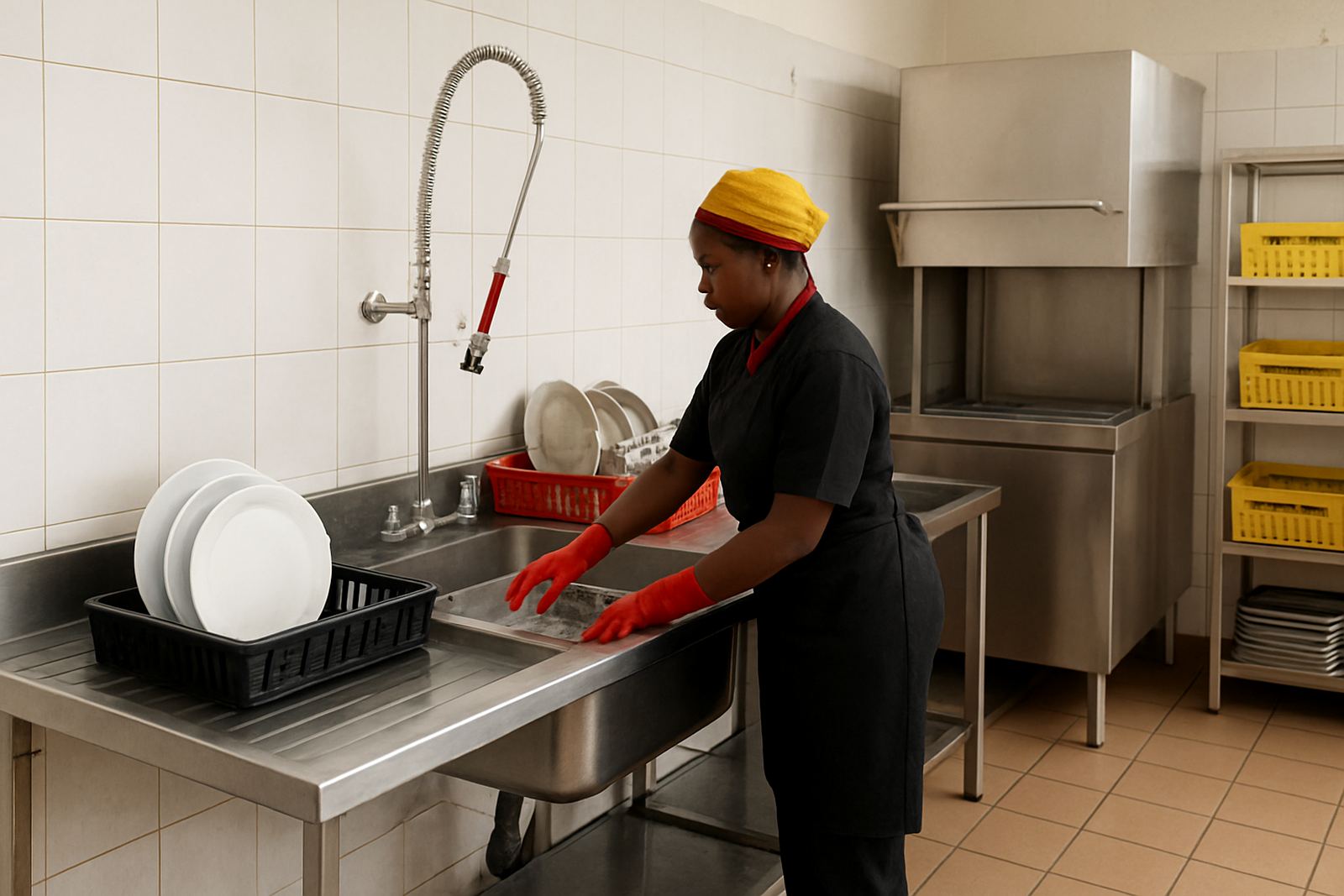
- Place dishwashing so dirty returns do not pass the plating point.
- Allow clear access for trolleys, delivery cages and stock trolleys.
- Keep gas, electrical and water services easy to isolate for repairs.
In older buildings, especially in central Durban and Pietermaritzburg, space is often tight. In those cases a better layout can save more time than buying a bigger cooker.
Choose Cooking Equipment for Volume and Recovery Time
Hospital food production needs equipment that can recover quickly after repeated loads. A cooker that works well for a small café can struggle when you are producing hundreds of plated meals. Look at pan size, burner output, oven capacity and how many staff will use the line at once.
For bulk cooking, many facilities use tilting pans, combination ovens, heavy duty ranges and steam or hot-water based holding where suitable. The key is consistency. Soups, sauces, starches and proteins must come out to the same standard every day, not only when the kitchen is quiet. In KZN load-shedding still affects some sites, so many hospitals also plan backup power for refrigeration, hot holding and critical prep points.
- Check recovery time after each batch, not only total capacity.
- Confirm if equipment suits gas, electric or mixed utilities.
- Allow for local voltage issues and standby power changeover.
- Choose controls staff can read easily under pressure.
Plan Holding Temperatures and Tray Dispatch Carefully
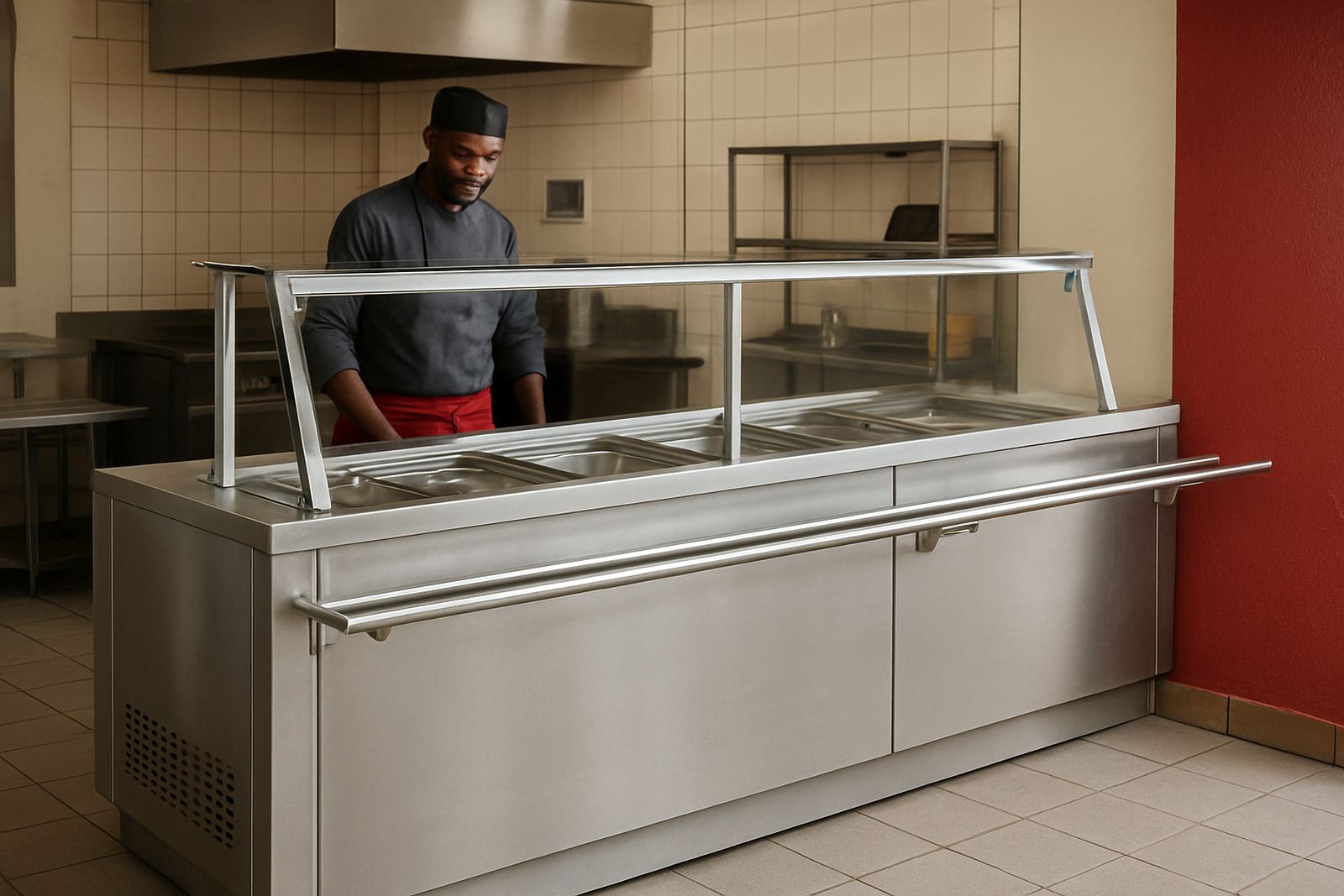
Holding is where many hospital kitchens lose quality. Food that waits too long dries out, thickens or cools below the serving target. Cold meals can also warm up too much if the dispatch area sits near ovens, dishwashers or sun-facing windows. Near the coast, humidity can make condensation and sweating worse in uncovered holding areas.
Build the holding plan around the longest possible delay between finish and delivery. Use heated cupboards, insulated trolleys, chilled cabinets and proper tray covers where needed. Keep delivery routes short and direct. If a ward round changes, the kitchen should be able to adjust without redoing the whole service run.
- Record target hot and cold holding temperatures.
- Test how long trays stay in range before dispatch.
- Mark trolley loading order to match the ward route.
- Keep a back-up holding space for late changes or emergency meals.
Build Storage Around Stock Turn and Hygiene
Hospital kitchens need storage that supports clean stock rotation and simple stock taking. Dry goods should be off the floor, protected from pests and kept away from mop sinks or chemical cupboards. Cold storage must have enough space for daily delivery, but not so much that stock gets forgotten at the back.
Use labelled shelves, date control and separate spaces for dietary products, infant feeds or allergy-sensitive items where applicable. In many facilities, a mix of stainless steel shelving, cold rooms and upright fridges works better than packing everything into one room. The aim is to make the right item easy to reach and the wrong item hard to store.
Also check access for deliveries. A clean goods receiving point with enough turning space saves time and cuts contamination risk. If the delivery vehicle has to reverse through staff parking or through a public area, the process slows down and raises risk.
Commissioning, Training and Preventive Maintenance Keep It Working
Good equipment planning is only part of the job. Staff need to know how the kitchen should run from day one. Commissioning should include temperature checks, utility checks, airflow checks and a walk through of cleaning points. If extractor settings, water points or thermostats are wrong, problems show up quickly once meal production starts.
Training should be practical. Show cooks and porters how to load trolleys, read control panels, clean filters and report faults early. A simple maintenance schedule is worth keeping on the wall and in the office. In a hospital setting, a small fault can become a service delay by lunch time, so breakdown response must be quick.
- Inspect seals, hinges, burners and fans on a set schedule.
- Clean extractor filters before grease builds up.
- Check fridge temperatures at the start of each shift.
- Log faults, repairs and part changes so patterns are easy to see.
A Practical Checklist for Your Next Kitchen Review
If you are planning a new hospital kitchen or upgrading an existing one, walk the site with the service pattern in mind. Start at delivery, then move through storage, prep, cook line, holding and dispatch. Note where staff queue, where trolleys bottleneck and where cleaning becomes awkward.
Ask these questions before you order anything: Can the kitchen handle peak meal counts without rushing? Is there enough holding space for delayed wards? Will the cold rooms cope during summer? Can the team keep working if one area goes down for repair? If the answer to any of those is no, the layout or equipment list needs another look. A well planned kitchen keeps meals moving, even when the day does not.