
Start With the Menu, Not the Equipment List
Your menu drives everything in the kitchen. A quick-service grill room, a pasta restaurant, and a breakfast café will all need different prep space, cooking lines, cold storage and wash-up flow. Before you ask for quotations, write down the items you will actually sell, the busiest trading times, and whether you expect delivery orders, sit-down service or both. That gives the design team a practical base to work from.
In Durban and along the North Coast, heat and humidity also affect how a kitchen performs. Fresh food needs reliable refrigeration, and finishes should handle regular cleaning and salty air in coastal areas. If the menu leans heavy on frying or chargrilling, extractor planning becomes a priority from day one, not later when smoke starts building up.
- List your top 20 menu items
- Mark peak covers per hour
- Note what must be cooked to order and what can be batch prepared
- Identify chilled, frozen and dry stock needs
Measure the Site and Map the Workflow
Once the menu is clear, measure the site properly. A kitchen can only work if the flow makes sense from receiving to storage, prep, cooking, plating and wash-up. Poor flow leads to staff crossing paths, warm food waiting too long, and wasted steps during a rush. In smaller spaces around Durban North or Pinetown, smart layout decisions matter even more because every metre counts.
A site survey should check door widths, floor levels, drainage points, wall construction, electrical capacity and where extraction can actually exit the building. If you are in a centre or a property with body corporate rules, you may need approval for duct routes, grease management or external changes. It is better to confirm this early than to discover it after equipment has been ordered.
- Check usable floor space, not just the total room size
- Measure doorways and access routes for large equipment
- Confirm power points, water supply and drainage positions
- Allow space for cleaning, maintenance and future growth
Choose Equipment That Matches Real Trade Volumes
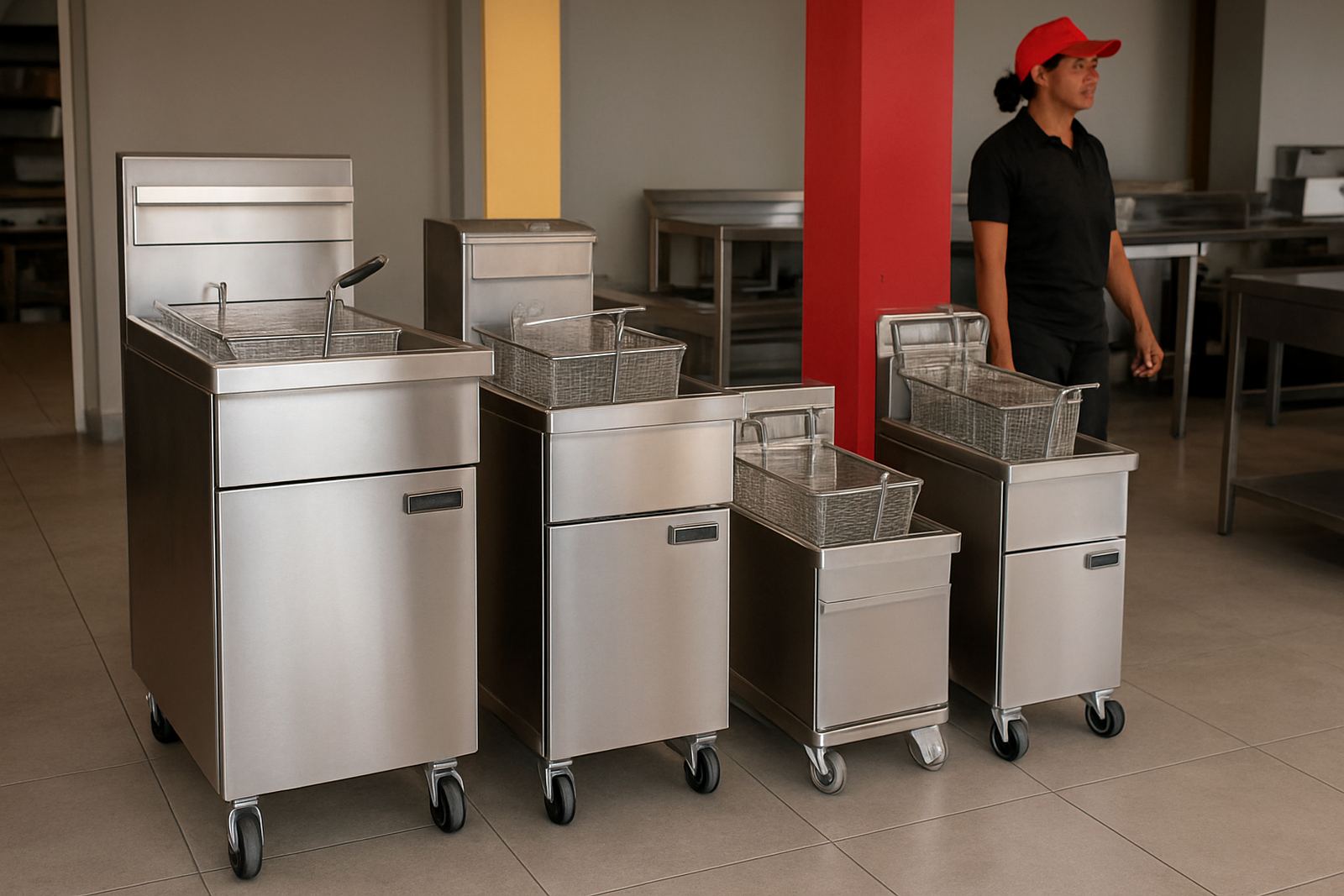
Equipment should fit the trade you expect in year one and the growth you are planning for in year three. It is tempting to buy the biggest unit available, but oversized equipment can waste power and crowd the room. Undersized units create bottlenecks at lunch and supper. The aim is steady production, not just a full list of machines.
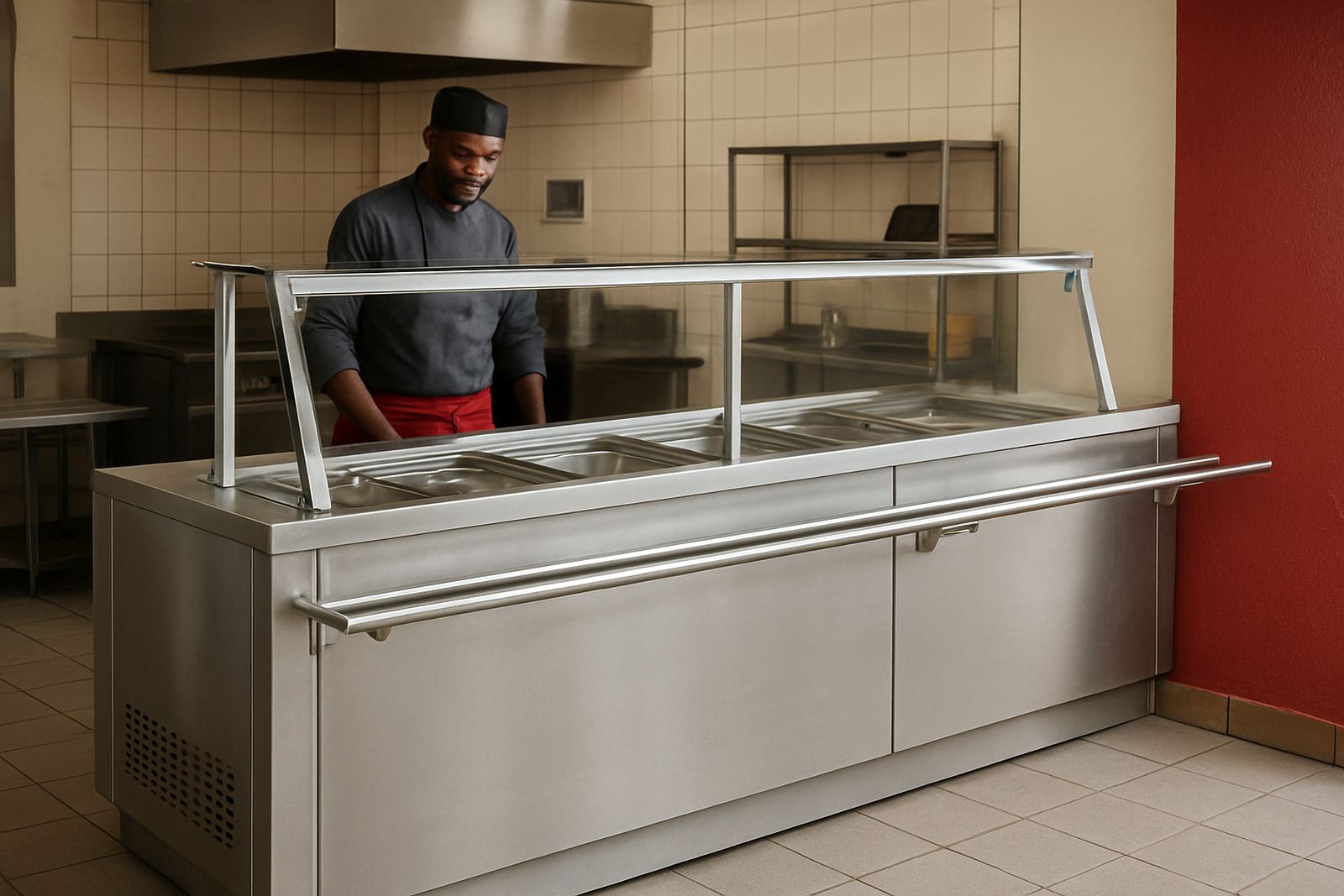
For restaurants in KwaZulu-Natal, refrigeration deserves careful attention because load-shedding and warm weather can push equipment hard. Ask how cold rooms, upright fridges and undercounter units will hold temperature during outages, and where backup power will support the most sensitive items. For prep areas, stainless steel tables, shelves and sinks should be placed to reduce backtracking and keep raw and cooked food apart.
- Match cooking output to expected covers
- Choose refrigeration with enough reserve for warm days
- Keep handwash, wash-up and food prep separate
- Specify stainless fabrication where custom sizes are needed
Plan Extraction, Safety and Compliance Before Installation
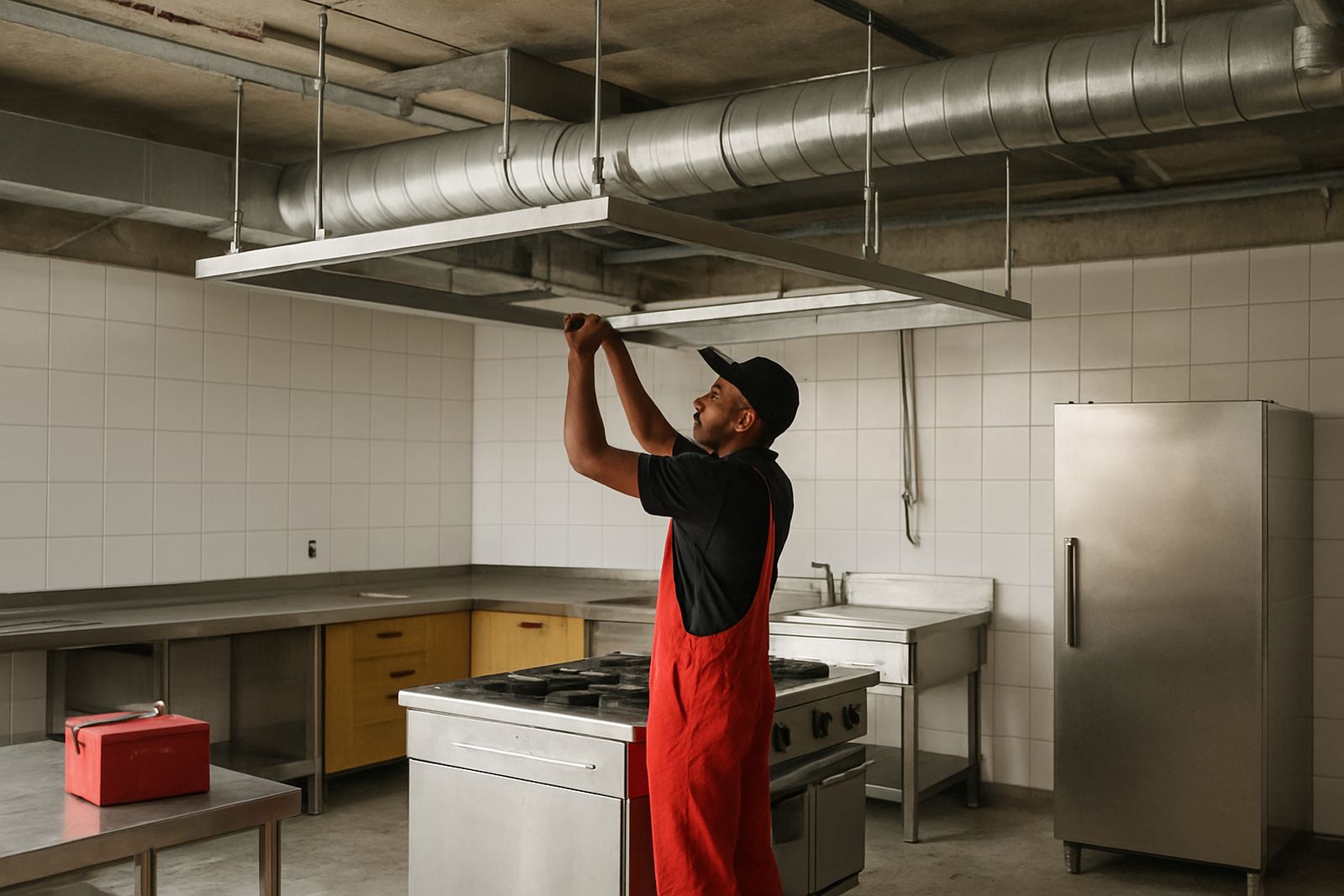
Extractor planning is one of the most common areas where restaurant projects lose time. Hoods, ducting, fire safety provisions and make-up air all need to work together. If extraction is too small, the kitchen will be hot, greasy and uncomfortable. If it is too large or badly routed, it can create noise, drafts or unnecessary running costs. A good plan keeps the cooking line comfortable and helps protect the building.
Compliance also includes gas, electrical, fire and health requirements. Municipal rules can vary by area, and landlords often have their own conditions for drainage, grease traps and waste handling. Hospitals, canteens and high-turnover restaurants usually need stricter controls than a small takeaway. Getting the paperwork, certificates and sign-offs in order before installation makes handover much smoother.
- Confirm extractor route and roof or wall exit points
- Check fire protection requirements for the cooking line
- Allow for make-up air and cooling
- Keep records for electrical, gas and safety sign-off
Install, Commission and Test Every Station
Installation day is not the end of the job, it is the start of proving that the kitchen actually works. Equipment should be placed according to the layout, levelled correctly and connected by the right trades. Once installed, every item needs commissioning. That means testing temperatures, burner operation, drainage, extraction flow, door seals and electrical loads before the kitchen opens to the public.
In busy areas such as Umhlanga, Ballito and Pietermaritzburg, project timing matters because opening dates are often fixed around launches or lease conditions. A proper installation programme reduces last-minute surprises and gives the team time to correct small issues. It also helps avoid opening with equipment that is technically fitted but not yet ready for trade.
At this stage, the site team should check clearances, cleanability and access for future servicing. If a unit cannot be reached for maintenance, it will cost more later and take longer to repair.
Train Staff and Set Up Preventive Maintenance
A good kitchen can still fail if staff do not know how to use it properly. Training should cover start-up, shut-down, cleaning, safe loading, temperature checks and what to do if a unit alarms or stops working. New staff often learn by watching others, but written routines help keep standards consistent when shifts change. This is especially useful in restaurants with split teams or high staff turnover.
Preventive maintenance should be built into the operation from the start. Filters, seals, burners, hinges, drainage points and refrigeration systems all need regular checks. In coastal Durban, salt air and humidity can shorten the life of equipment if cleaning is inconsistent. A monthly service visit can catch small faults before they become breakdowns during a Friday night rush.
- Keep daily cleaning routines short and clear
- Record fridge and freezer temperatures
- Inspect seals, burners, filters and drains regularly
- Book planned servicing before peak season
Handover Checklist for a Kitchen That Can Open on Time
Before handover, walk through the kitchen with the design, installation and operations teams together. Check that all equipment is where it should be, that manuals and certificates are available, and that staff can run the space without guesswork. This is also the time to note any snag list items, from loose fittings to labels that still need changing.
A proper handover should leave you with a kitchen that is ready for service, easy to maintain and simple to expand later if trade grows. For restaurants in Glen Anil, Durban North, Pinetown and surrounding areas, local support matters when you need follow-up, breakdown repairs or an extra shelf added after opening. Good planning at the start saves time once the first rush arrives.
Final checklist: layout confirmed, equipment commissioned, extraction tested, staff trained, certificates filed, and maintenance schedule in place.