
Restaurant kitchens built for service pressure
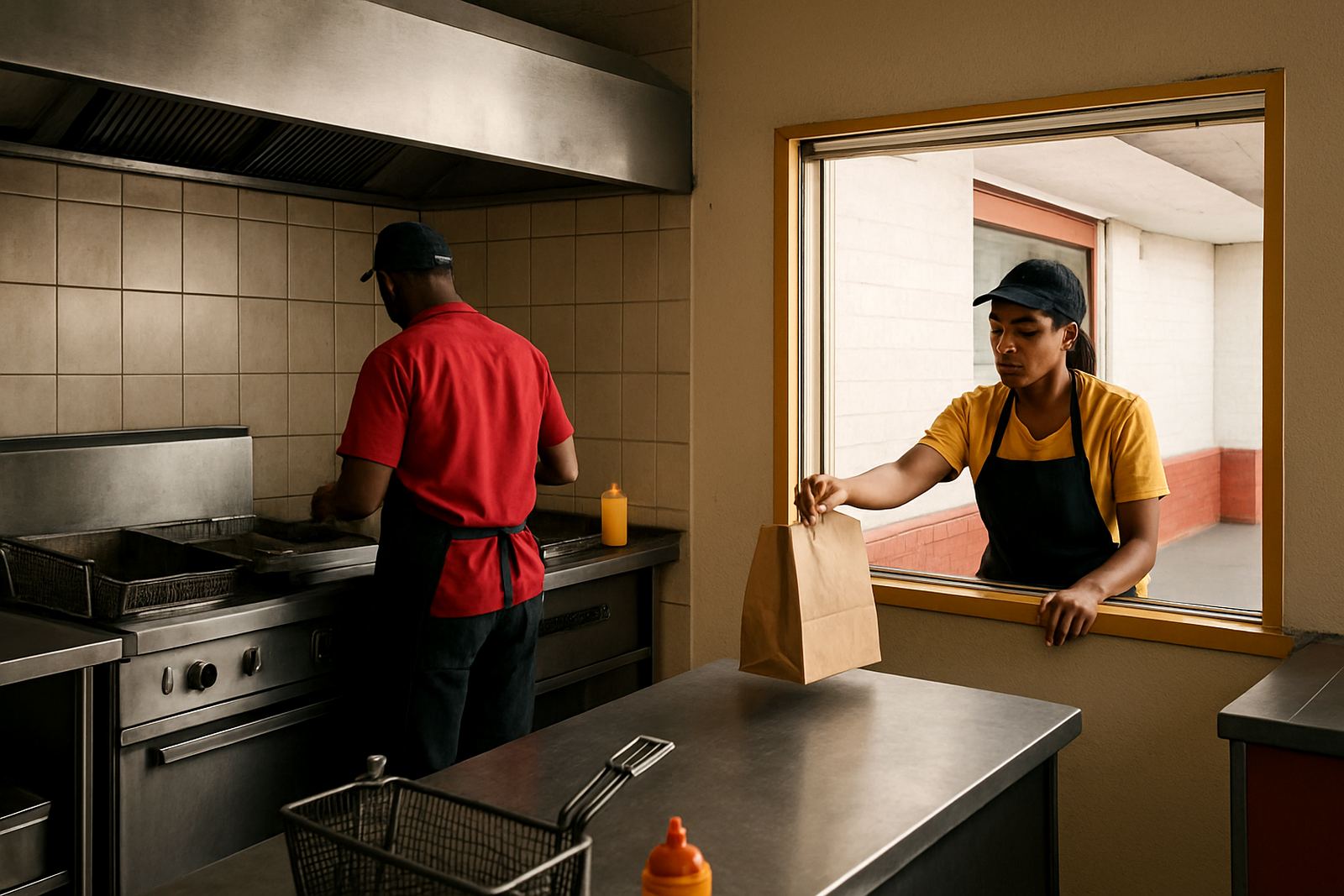
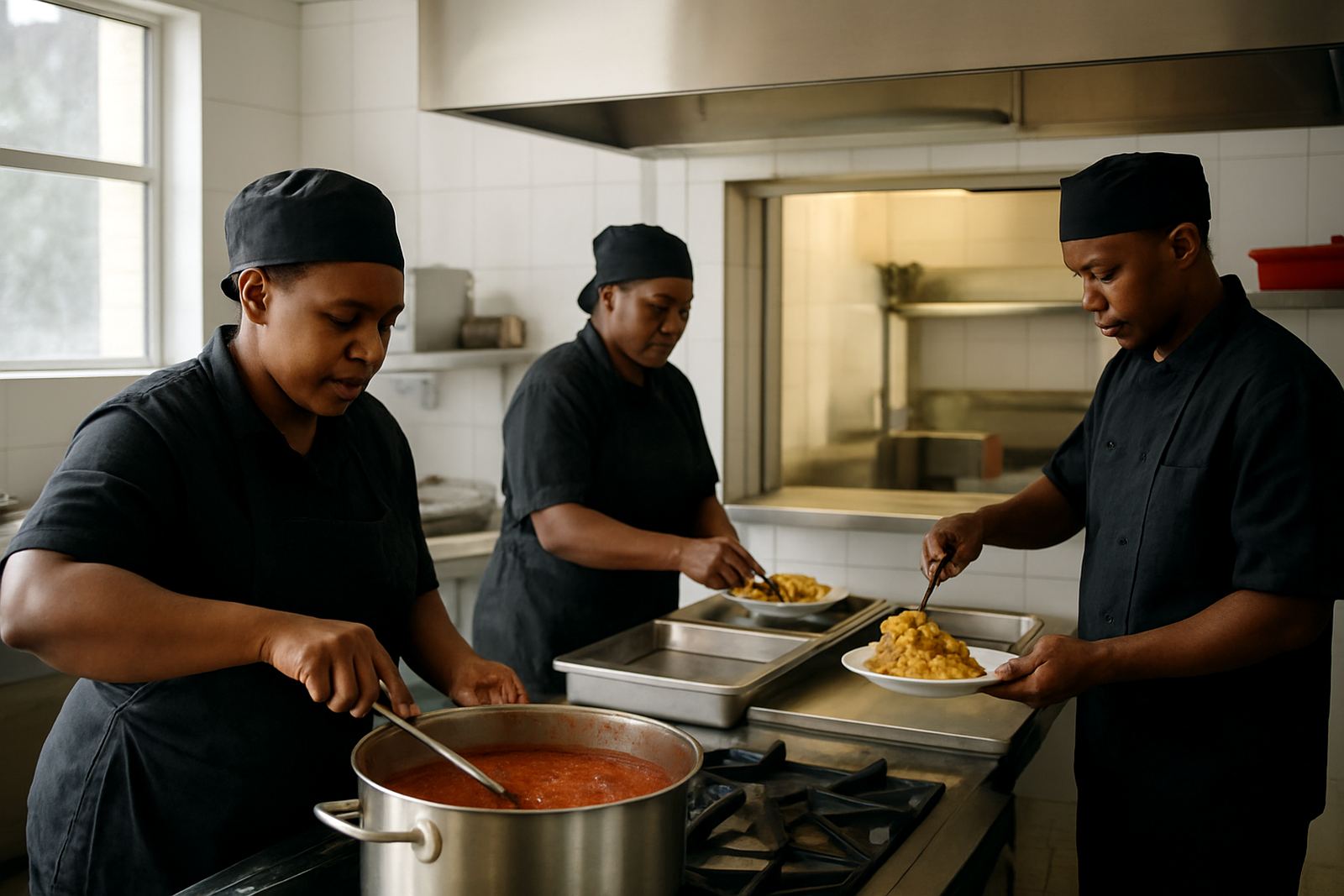
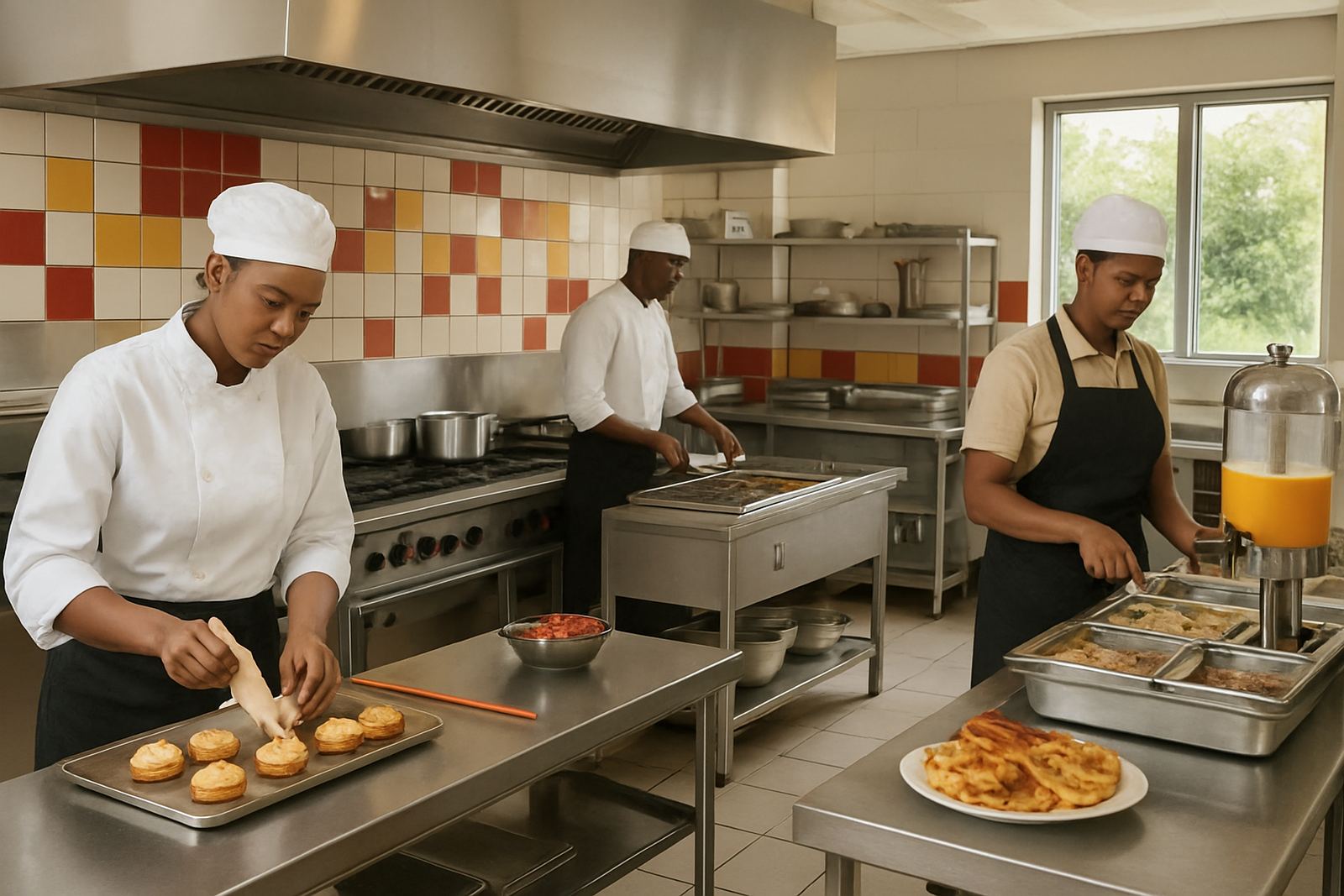
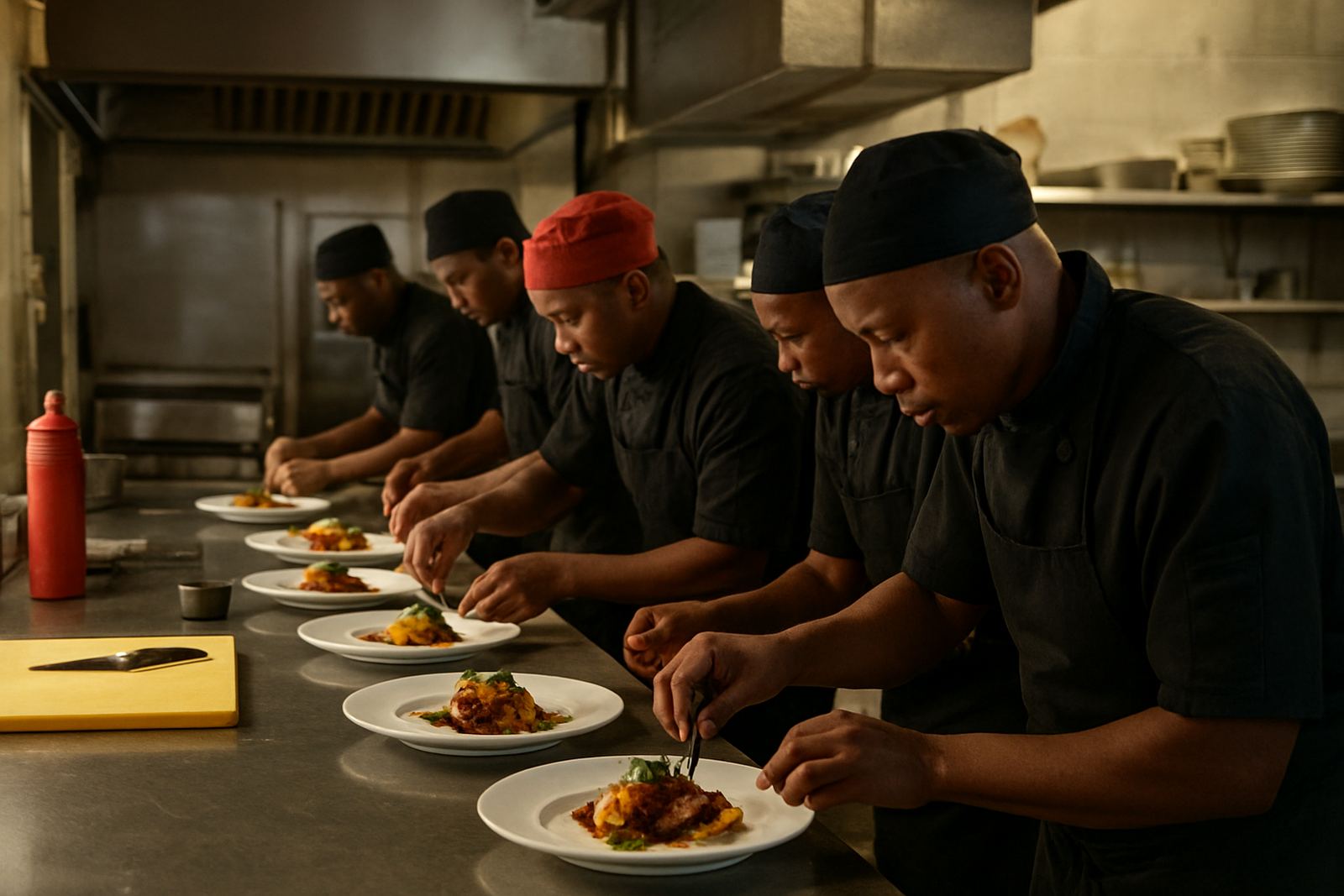
A restaurant kitchen has to work from the first breakfast prep to the last table after dinner, with no time for slow recovery between rushes. The layout must suit your menu, your pass, your staffing levels and the space you actually have, not just a drawing on paper.
We work with independent restaurants in Durban, Umhlanga, Ballito, Pinetown and Pietermaritzburg that need a kitchen which can take daily use without constant callouts. That usually means sensible equipment choices, correct extraction, good cold storage and enough prep space so staff are not crossing paths every minute.
- Space planning for compact inner-city sites and larger suburban restaurants
- Equipment matched to breakfast, lunch, dinner or all-day service
- Kitchen flow that keeps dirty and clean areas separate
- Layouts that allow for easier cleaning and municipal compliance checks
What most restaurant kitchens need on day one
Most independent restaurants do not need every item under the sun. They need a balanced set that covers receiving, storage, prep, cooking, holding and wash-up. Getting that balance right keeps costs under control and helps the kitchen work smoothly from opening day.
Typical equipment includes stainless prep tables, upright fridges, undercounter fridges, freezers, gas or electric cooking lines, griddles, fryers, bain maries, slicers, sinks and dishwash areas. For Durban and coastal areas, we also pay attention to corrosion resistance, since salt air can shorten the life of low-grade fittings.
- Cooking line: range, griddle, fryer, hot plate or chargrill where the menu calls for it
- Cold side: cold room, upright fridge, freezer, prep fridge or undercounter units
- Prep side: stainless tables, shelving, vegetable sinks and food-safe storage bins
- Utility side: extraction, grease traps, handwash points and dishwashing area
A good set-up keeps the front-of-house team out of the kitchen flow, and gives chefs room to move when tickets start stacking up.
Layout advice that saves time in service
Restaurant layouts should follow the path of food, from receiving to prep, cooking and service. If stock has to cross the dishwash area or staff need to squeeze past a fryer to reach the fridge, the kitchen will slow down at peak time. Simple planning avoids these bottlenecks.
We often start with a site survey in Glen Anil, Durban North, Umhlanga or wherever the site is based. From there we look at door widths, service access, drainage, power supply, gas routes and extractor positions. If the building has low ceilings or a tricky roofline, extractor planning needs to be sorted early so the kitchen does not get delayed.
- Put cold storage close to prep, not at the far end of the room
- Keep hot equipment under correct extraction and away from customer pathways
- Allow enough clearance around fridges for airflow in humid coastal conditions
- Plan for load-shedding with suitable backup on key refrigeration and till support points
In many Durban restaurants, a small layout change can save minutes on every service round. Over a month, that adds up to fewer mistakes and less fatigue for the team.
Common mistakes that cost restaurants money
One of the biggest mistakes is buying equipment before the final layout is sorted. A unit might be a good price, but if it blocks the pass or does not fit through the doorway, it becomes an expensive problem. Another common issue is under-sizing the cold storage because the opening stock looks manageable on paper.
Restaurants also run into trouble when they choose light-duty equipment that is not meant for daily commercial use. In a busy kitchen, thin stainless tops, undersized fryers and weak shelving wear out quickly. The repair bill, plus downtime, usually costs more than doing it right in the first place.
- Buying too soon, before the menu and workflow are final
- Ignoring extractor requirements and odour control
- Overcrowding the kitchen with too many appliances
- Forgetting maintenance access around fridges, fans and gas lines
We also see restaurants neglect preventive maintenance until breakdowns start. A blocked condenser, worn door seal or failing fan can spoil stock and interrupt trading. Small checks help avoid bigger losses.
Budget ranges for restaurant kitchen fit-outs
Budgets vary a lot depending on size, menu and whether you are fitting out from scratch or upgrading an existing kitchen. A small coffee shop kitchen with light meal output will sit in a different range from a full-service restaurant with hot line cooking, prep refrigeration and wash-up equipment.
As a rough guide, a basic restaurant kitchen upgrade can start from around R180 000 to R350 000. A mid-range set-up for a serious independent restaurant often falls between R350 000 and R850 000. Larger fit-outs with cold rooms, custom stainless work, fuller extractor systems and higher-capacity cooking lines can move beyond R1 million.
Those figures can change based on imported versus locally made components, gas installation needs, electrical upgrades and stainless fabrication. We quote against the actual site, which gives a better picture of the real cost and avoids nasty surprises later.
- Basic upgrade: prep, storage and a small cooking line
- Mid-range fit-out: cooking, refrigeration, dishwash and extractor work
- Larger project: custom fabrication, cold rooms, backup planning and full install
Support after installation matters too
A restaurant kitchen does not end at handover. Staff need to know how to use the equipment properly, how to clean it, and when to call for help before a small fault turns into lost trade. That is why we include commissioning and staff training on many projects.
Our team also handles preventive maintenance and breakdown repairs across Durban, Ballito, Pinetown and Pietermaritzburg. For busy restaurants, this matters because a failed fridge or fryer on a Friday can hit turnover quickly. We keep the focus on practical uptime, not complicated service talk.
For restaurants that are growing or changing their menu, we can also help rework the kitchen in stages. That lets the business keep trading while upgrades are done in a way that suits the site and the budget.